What should you look for when choosing?
Start with fit and a consistent sound comparison, then check that the connection is compatible with your playback source.
Major HiFi explains that your ear canal, tips and insertion depth can affect the frequency response you hear. Sennheiser notes that the position of the IE 200’s tips changes its bass response.
| What to consider |
What should you check? |
Who is this important for? |
| Familiar sound |
Compare with recordings you know, keeping the tips, placement and playback volume the same. Don’t treat a manufacturer’s description such as ‘flat’ as independently measured neutrality. |
I want to hear changes in the mix without a different seal changing the bass; this matters to around 33% of consumers who prioritise a familiar sound. |
| Fit and comfort |
Check which tip sizes are included, and try another size if the seal or comfort doesn’t feel right. Stop if your ears hurt. |
If an earpiece feels uncomfortable just before bed, I want to be able to adjust the fit or stop the check; around 27% of consumers prioritise wearing comfort. |
| Quiet listening |
Look for a tip that fits well and seals properly. Don’t assume that a stated maximum level of noise reduction guarantees the same result for you. |
I want to listen in the evening without using speakers in a shared room; this is the top priority for around 20% of consumers. |
| Connections and components |
Check both the plug on your source and the type of connection on the earpieces. Don’t assume cables are interchangeable between different models. |
I want to know whether the in-ear headphones will work with my existing equipment and which replacement parts they use; connections and maintenance are top priorities for around 20% of consumers. |
Wired in-ear headphones on Joybuy
This selection features wired in-ear headphones for a quick, additional listening check. Before buying, check that the connection is compatible with your playback source.
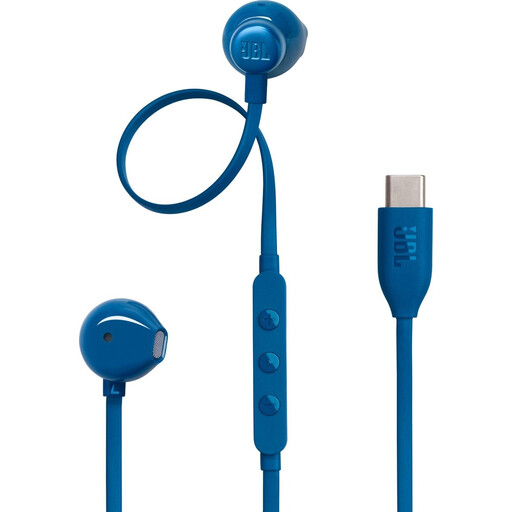 No image available
JBL Tune 305C, blue
A wired option for a quick listening check; the product information lists a USB-C connection.
The description lists three EQ presets: default, bass and vocals. Keep the same preset when comparing settings.
View on Joybuy
 No image available
Bose Noise Cancelling Wired Earbuds, black
The wired version is described in the product information as usable without charging; check that USB-C is compatible with your playback source.
The description lists QuietControl noise cancellation, inline controls with a microphone, three sizes of ear tips and two sizes of stability wings.
View on Joybuy
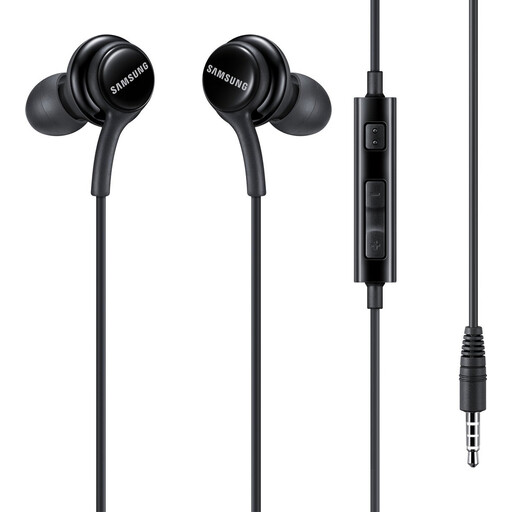 No image available
Samsung EO-IA500 in-ear stereo headset, black
A wired option with a 3,5mm connection; check that your playback source has this connection.
The product information lists a microphone and in-line controls.
View on Joybuy
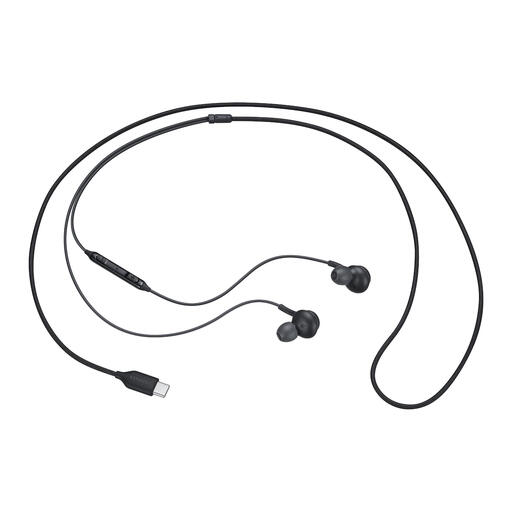 No image available
Samsung EO-IC100 wired in-ear headset, USB Type-C, black
The wired USB Type-C connection may suit a source with the same connection; check compatibility before buying.
The product description lists a built-in DAC and a range of ear tip sizes.
View on Joybuy
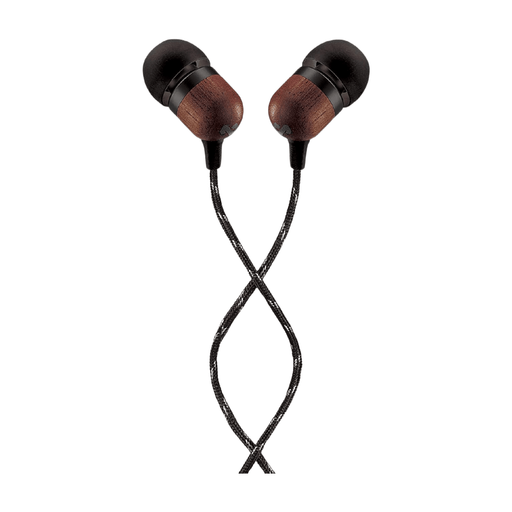 No image available
House of Marley Smile Jamaica, wired USB-C, black
Wired in-ear headphones with USB-C; check that the connection matches your playback source.
The product description lists a noise-isolating design, an inline microphone and controls.
View on Joybuy
Frequently asked questions
Can you make the final mix decision using in-ear headphones?
Use in-ear headphones as an additional check, and listen to the mix on another system you trust before you finalise it. Check the bass balance, stereo width and position of the vocals again.
How can you listen just before bed without turning the volume up too high?
Choose a well-fitting tip, start at a low volume and keep the session short. The World Health Organization links the risk of hearing damage to both sound level and exposure time. Its example of up to 40 hours a week at 80 dB is not a target listening volume or a guaranteed safe setting for your device.
What can you do if one earpiece sounds quieter?
First, check the tip and sound outlet for dirt, and follow the cleaning instructions for your model. Shure advises pointing the outlet downwards when cleaning its earpieces, so dirt falls out rather than further inside.
Who can you contact if an in-ear product bought online breaks too soon?
Contact the seller. According to ACM ConsuWijzer, consumers in the Netherlands have a statutory guarantee in addition to any manufacturer’s guarantee; there is no fixed, general Dutch two-year period for the expected lifespan of every product.
Do you always have 14 days to return in-ear headphones bought online?
When you buy online, you generally have a statutory cooling-off period of up to 14 days after delivery, but exceptions and return conditions depend on the purchase. Before breaking any seal, check the seller’s terms for the specific product; general guidance doesn’t give a definitive answer for every in-ear model.


