What should you consider when choosing?
Start with the seal and how much train noise you want to reduce. Then choose based on your sound preferences and ease of use: a cable needs a compatible connection, while wireless earbuds need to be charged.
Wired in-ear headphones
A good fit if: you want to listen without relying on an earbud battery and your playback device has a suitable connection.
Bear in mind: the actual seal depends on the fit; you may need a suitable output or adapter for the cable.
Wireless earbuds with noise cancelling
A good fit if: you don’t want a cable and would find noise cancelling or an ambient sound mode useful.
Bear in mind: battery life depends on how you use them and your settings; fit matters even when using an ambient sound mode.
| What to consider |
What should you check? |
Who is this important for? |
| Reducing train noise |
Check which ear tip sizes are included and whether they create a good seal. If you want to hear ambient sound between tracks, check whether the model has an ambient sound mode. |
If I don’t want to drown out the train by turning up the volume, I focus on effective noise reduction and a fit that suits my ears. Around 33% of consumers put reducing train noise first. |
| Jazz sound |
Compare the stated sound tuning and any adjustment options. If possible, listen for yourself and check that the connection is compatible. |
If you want to hear instruments and vocals in a particular way, you can compare a more neutral tuning with one that has more bass. Around 27% of consumers put jazz sound first. |
| Fit during your journey |
Check the available sizes and materials, and follow the fitting instructions. Before opening the packaging, check the returns policy for the product. |
If I’m wearing earbuds for a long time, I want a comfortable seal without any pain. Around 20% of consumers put wearing comfort at the top of their list. |
| Practical use and lifespan |
Check the connection, battery life with noise cancelling switched on, and whether the cables or ear tips can be replaced. |
If you’re weighing up charging, a cable and maintenance, you can check in advance what suits your journeys and equipment. Around 20% of consumers make practical use and lifespan their first consideration. |
Joybuy products for listening on the go
This selection includes wired and wireless in-ear headphones for listening to music on the go. Check the features and connection listed for each model before you choose.
 No image available
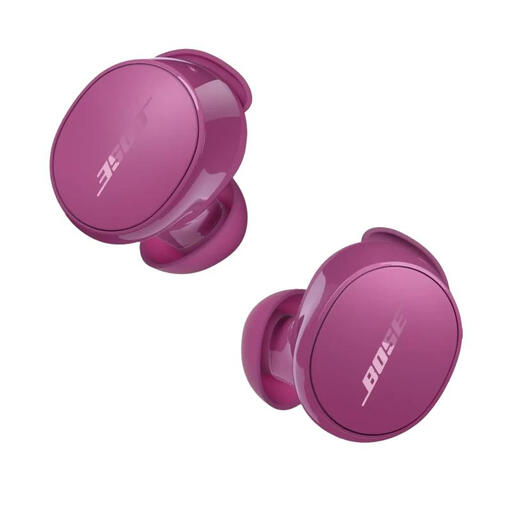
Bose QuietComfort Earbuds, Rosewood Mauve
The product description mentions noise cancelling and Quiet and Aware modes; check whether these features suit the way you want to switch between music and ambient sound.
View at Joybuy
 No image available
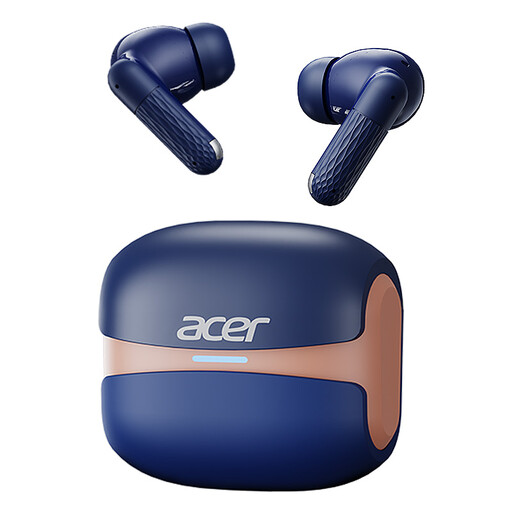
Acer OHR548 wireless in-ear earbuds
The product title describes wireless in-ear headphones; check whether the listed features suit the way you want to listen during a train journey.
The title lists Bluetooth 5.4 and 3D surround sound.
View at Joybuy
 No image available
Samsung Galaxy Buds4 Pro, black
The product title describes wireless in-ear headphones with active noise cancelling; check whether the fit and available features suit the way you plan to use them.
View at Joybuy
 No image available
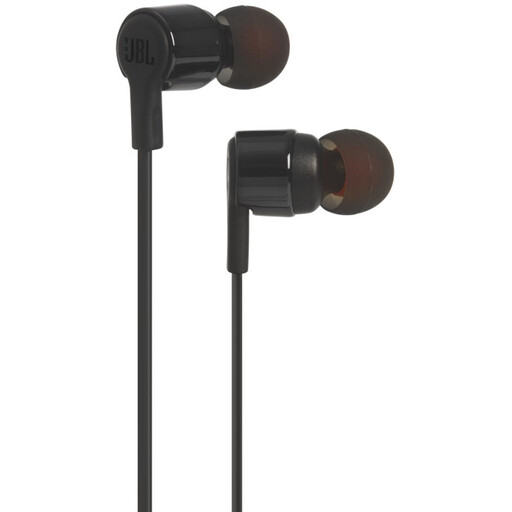
JBL Tune 210 wired in-ear earbuds, black
These wired in-ear headphones are an option if you want to listen without relying on an earbud battery; check that the connection works with your playback device.
The product title lists a 3.5mm connection and a microphone.
View at Joybuy
 No image available
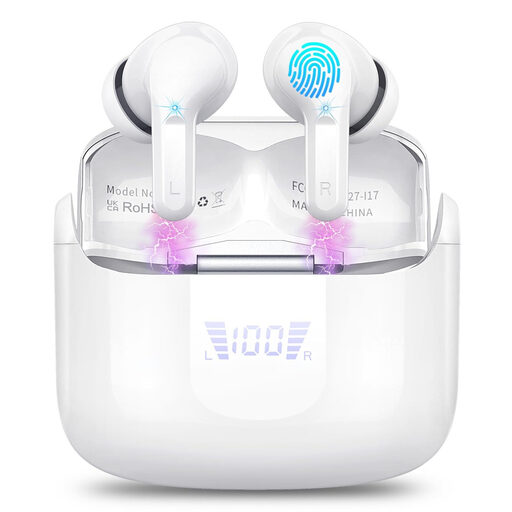
Wireless Bluetooth in-ear headphones with Bluetooth 5.4 and USB-C
The product title describes wireless in-ear headphones; check whether the connection and listed features suit your playback device and listening habits.
The title lists Bluetooth 5.4, four ENC microphones and 48 hours of battery life. Check how this stated battery life was measured and whether it includes the charging case.
View at Joybuy
Frequently asked questions
Do you need active noise cancelling to listen to jazz on the train?
No, well-fitting wired in-ear headphones can also be a good option. Active noise cancelling is another option if you want to listen wirelessly and reduce travel noise; consider the fit too, and don’t rely solely on a stated maximum noise reduction figure.
How do you fit and care for wired in-ear headphones?
Try the included ear tips and choose a fit that creates a seal without causing pain. Shure’s manual notes that a poor seal can reduce bass and warns against pushing the sleeve past the opening of the ear canal. Follow your model’s manual for cleaning and replacing parts.
How can you avoid turning up the volume on a noisy train?
The World Health Organization recommends well-fitting, noise-cancelling headphones to help reduce the urge to turn up the volume in noisy situations. Check the fit and keep the volume low; your actual sound exposure also depends on the device and settings.
What do the cooling-off period and warranty mean for an online purchase in the Netherlands?
According to ACM ConsuWijzer, online purchases generally come with a 14-day cooling-off period after delivery, with exceptions including certain hygiene products whose packaging has been opened. Check the terms for the specific in-ear headphones before opening the packaging. The Dutch government states that there is no fixed statutory warranty period in the Netherlands; if a product is faulty, you can take the matter up with the seller.


