
Vandaag of morgen in huis

Kwaliteit gegarandeerd

Welkomstaanbiedingen ontgrendelen: GRATIS bezorging | Tot 80% korting | Gratis 30 dagen JoyPlus-proefperiode
Download de app
In the Netherlands, a winter coat needs to do more than look warm. Rain, wind, cycling, walking and changing temperatures place different demands on a coat than a short walk from the car to the shop. Yet many coats are marketed mainly with terms such as “extra warm”, “all-weather” or “waterproof”, without making it clear exactly what these claims mean.
With this practical buying guide, you can compare a women’s winter coat, men’s winter coat, padded coat, puffer jacket or outdoor coat based on verifiable features. This helps you avoid paying for functions you will not use or buying a coat that turns out to be less suitable after just a few months.
A thick coat is not automatically warmer. The filling, lining and closures at the cuffs, collar and hem all determine how much heat is retained. A coat with only a thin fleece lining may be comfortable in mild cold, but may offer less insulation when standing still or cycling for long periods.
Pay attention to the fit, too. A coat that is too tight leaves little room for a jumper or thermal layer. A coat that is too loose can let draughts in.
A water-repellent coat can keep out light rain temporarily. For prolonged rain, however, taped seams, a protected zip and a waterproof membrane are also important. Check whether the product description mentions a hydrostatic head, membrane or seam sealing.
A waterproof coat is not always the warmest choice, either. A shell coat mainly protects against rain and wind; for warmth, you will need a lining, fleece jacket or insulating layer.
Sizes vary between brands and models. Do not just look at S, M or L: compare your chest measurement, back length, shoulder width and sleeve length with a coat that fits well. With a 3-in-1 coat, you also need to allow enough room for both layers together.
Also check the returns policy and the current product information before ordering. Product variants may differ by size or colour.
A padded coat or puffer jacket with synthetic filling is practical for everyday use. Synthetic filling is generally easy to maintain and suitable for commuting, shopping and short walks. For example, the Urban Classics Basic Puffer Jacket lists an outer material made from 100% polyamide and a polyester filling.
A 3-in-1 coat consists of an outer layer and an inner layer that can be worn separately or together. This makes the garment more versatile in changeable weather. According to PELLIOT’s product description, the coat is designed to be worn as a shell, lining or combined coat. The stated temperature ranges are brand claims from the product description and should be treated as a guide, not a guarantee for every user.
For walking, camping or travelling, an adjustable hood, adjustable cuffs and an adjustable hem are useful features. With a walking jacket, ski jacket or other outdoor coat, zipped pockets and a storm flap are practical additions, too.
According to the product description, the PELLIOT models list a hydrostatic head of 35.900 mm H₂O, breathability of 16.000 g/m²/24 hours and taped seams. These are technical values provided by the brand. They help you compare models, but they do not by themselves indicate how comfortable the coat will be in every situation.
The North Face Quest Jacket lists a DryVent outer fabric, taped seams, a DWR finish, an adjustable hood and elasticated cuffs. According to the product description, this model is designed as a protective shell for walking. On cold days, you may need a fleece jacket or another insulating layer.
Care affects how long a coat lasts. Always check the care label. Some coats can be machine-washed, while others may only be washed by hand. According to the product information, the US Polo Assn. models are made from 100% polyester and must be hand-washed. Tumble-drying, ironing and dry-cleaning are not recommended.
A coat with a technical coating may need additional care to help maintain its water-repellent performance. Do not use an unsuitable detergent or a high temperature if the label does not permit it.
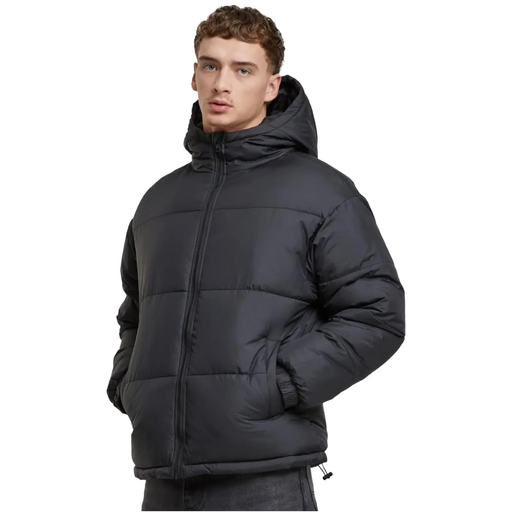
Why it suits this profile: A practical puffer jacket for everyday use, with a hood and synthetic filling. Suitable for anyone looking for a simple warm coat for commuting and short trips.
The product information clearly states the material, filling and care instructions. However, check that the size you choose matches your body measurements.
Polyester filling, hood and machine-washable construction according to the product description. Available in a wide range of sizes.

Why it suits this profile: This women’s winter coat is described as a shell for walking and changeable weather conditions. A suitable choice if protection from rain and wind matters more to you than a thick insulating layer.
The description mentions taped seams, adjustable features and DryVent fabric. In cold weather, combine the shell with a suitable fleece or insulating layer.
Waterproof and windproof properties according to the product description, plus a hood, zipped pockets and mesh lining.
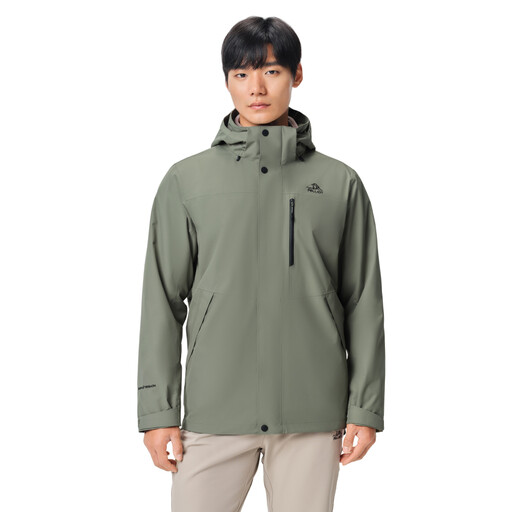
Why it suits this profile: A men’s winter coat for camping, walking and travelling, where a combination of protection and flexibility is useful. According to the product description, the inner and outer layers can be used separately.
The technical description mentions a microporous membrane, taped seams and an adjustable fit. The stated performance figures come from PELLIOT’s product information.
3-in-1 design, fleece lining, hood and a stated hydrostatic head of 35.900 mm H₂O according to the product description.
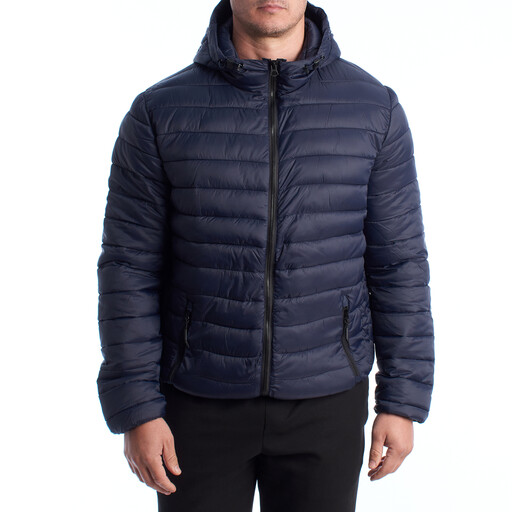
Why it suits this profile: A padded coat for cold days in the city, with an adjustable hood, elasticated cuffs and two pockets. The half-length zip can be particularly convenient for everyday use.
The product description lists specific details such as the material, pockets, cuffs and care instructions instead of making only general claims about warmth.
100% polyester according to the product information, adjustable hood, elasticated waist and an inner and outer pocket.
We have put together a complete, up-to-date list of products that fully meet these strict selection criteria and the applicable European safety regulations.
Look for taped seams, a waterproof membrane, an adjustable hood and adjustable cuffs. A shell or 3-in-1 coat is often more practical in changeable weather than a standard puffer jacket. Always check whether the waterproofing is supported by a technical rating or is simply a general marketing term.
Its lifespan depends on how it is used, the material, washing and storage. A coat that is frequently worn for walking or camping will experience more wear than a city coat. Follow the care label, close zips before washing and avoid heat sources that could damage the fabric or coating.
The price is mainly determined by the material, insulation, brand, technical construction and finish. First decide what you need the coat for. A simple padded coat may be enough for everyday use; for skiing, camping or intensive walking, waterproofing, breathability and durability are more important than the purchase price alone.
