
Vandaag of morgen in huis

Kwaliteit gegarandeerd

Welkomstaanbiedingen ontgrendelen: GRATIS bezorging | Tot 80% korting | Gratis 30 dagen JoyPlus-proefperiode
Download de app
A winter coat needs to do more than look good. In the Netherlands, you can expect rain, wind, changing temperatures and sometimes long bike rides in the cold. If you focus only on colour or an attractive offer, you could end up with a coat that quickly loses its shape, doesn’t offer enough protection or is difficult to care for.
In this buying guide to winter coats for women and men, you’ll find out what to look for in a waterproof jacket, men’s parka, women’s coat, men’s coat, padded jacket or outdoor jacket.
Water-repellent doesn’t automatically mean a coat can withstand prolonged rain. Check whether the product information mentions a waterproof outer layer, taped seams or a hydrostatic head rating. Pay attention to the zips and hood, too: rain can still get in through these areas.
Thickness tells you little without information about the filling, lining and construction. A padded jacket with polyester filling can be comfortable for everyday wear, while a fleece jacket is mainly suitable as a mid-layer. For a walk in cold, windy weather, a combination of insulation and wind protection matters more than a bulky appearance.
A coat that’s too tight leaves little room for a jumper or fleece jacket. One that’s too loose can let draughts in. So don’t just look at S, M or L: compare the chest, shoulder, sleeve and back measurements with your own. If you’re choosing a 3-in-1 jacket, also check that the inner and outer layers feel comfortable together.
A hydrostatic head rating, measured in millimetres, indicates how much water pressure a fabric can withstand in a particular test. It doesn’t guarantee that you’ll stay dry in every situation. Seams, zips, wear and care also make a difference.
The product description for the women’s PELLIOT model lists a hydrostatic head of 35.900 mm H₂O according to JIS and breathability of 16.000 g/m²/24 hours according to JIS. These figures come from the product specifications and should be understood as test results under those conditions. The same description states that the coat has an outer layer, a fleece-like inner layer and a 3-in-1 construction.
A technical walking jacket or outdoor jacket often has extra features such as adjustable cuffs, a hood, a drawcord at the hem and protection around the zip. For commuting, a simpler model may be more practical.
A warm coat may be lined with fleece, synthetic filling or down. Synthetic filling is often easy to care for and is used in a range of padded jackets. Fleece works well as a comfortable mid-layer, but on its own it doesn’t always offer enough protection from rain.
A 3-in-1 jacket usually consists of an outer layer and a removable inner layer. You can wear the layers separately or together. This is handy in changeable weather, but check that the connecting zips and fit work for the way you plan to wear it.
A windproof jacket benefits from a close-fitting hood, adjustable cuffs and a hem that helps keep draughts out. Elasticated cuffs can be useful when cycling or walking. Also consider the number of pockets, the fastening and the length. A parka often covers the hips and upper thighs more than a short casual jacket.
Check the care label, too. Some coats can only be hand-washed and must not be tumble-dried. This affects the time and cost of looking after them.

Why it suits this profile: This lined men’s coat is designed for everyday wear. It has a hood, elasticated cuffs and an elasticated waist, making it a good fit for commuting and casual outfits.
The product information lists specific features, including two pockets, an adjustable hood and a polyester outer fabric. Check the care label, though: hand-washing is recommended and the coat must not be tumble-dried.
100% polyester according to the product details; adjustable hood, elasticated cuffs, and an inside and an outside pocket.

Why it suits this profile: The combination of a protective outer layer and an insulating inner jacket is a good choice for walkers looking for flexibility in changeable conditions.
The product description specifies a 3-in-1 system, taped seams, adjustable cuffs and an adjustable hem. This makes the relevant construction details clear.
According to the product details: GORE-TEX outer material, recycled polyester and 550-fill-power down. Check the size and care label before buying.
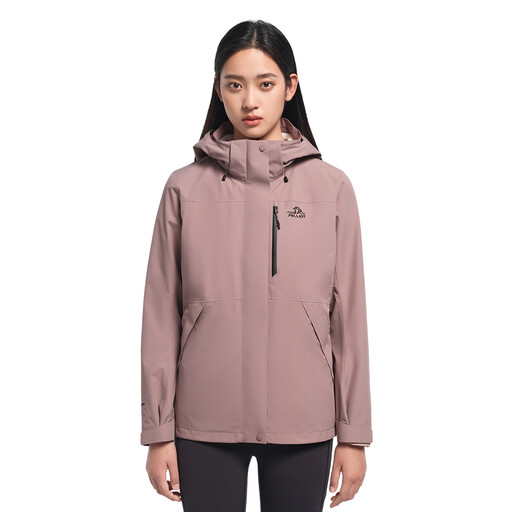
Why it suits this profile: According to the product description, this women’s coat is designed for camping, trekking and everyday travel. The separate layers allow you to wear it in different combinations.
The listing specifies an adjustable hood, hem and cuffs, and gives test results for hydrostatic head, breathability and abrasion resistance. That gives you more to go on than the term “all-weather” alone.
3-in-1 construction; the product description lists a hydrostatic head of 35.900 mm, breathability of 16.000 g/m²/24 hours and more than 40.000 abrasion cycles in the stated tests.
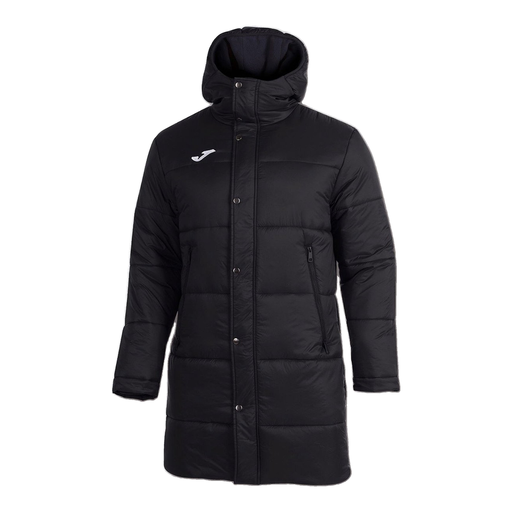
Why it suits this profile: This men’s parka is designed for cold conditions and everyday wear. Its longer cut, hood and multiple pockets are practical for the city.
The listing specifies an insulating construction, waterproof outer layer, adjustable cuffs and fleece lining. Before buying, check the exact size and care instructions.
According to the product details: 100% nylon, regular fit, adjustable hood and cuffs, fleece lining and multiple pockets.
We’ve put together a complete, up-to-date list of products that meet these strict selection criteria and the applicable European safety regulations.
Choose a coat with a specified waterproof outer layer, an adjustable hood, close-fitting cuffs and a well-covered zip. A longer parka can offer extra coverage. Always check whether the waterproofing information also covers the seams and zip construction.
How long it lasts depends on how often you wear it, friction, washing and storage. Follow the care label, close the zips before washing and avoid drying at high temperatures unless this is permitted. For technical jackets, reproofing according to the product instructions can help maintain their water-repellent finish.
It depends on how you’ll use it. A 3-in-1 jacket can combine an outer layer and a mid-layer, making it versatile across different seasons. However, if you already own a fleece jacket or raincoat, you may get better value from a separate layer that works with the rest of your wardrobe.
