
Vandaag of morgen in huis

Kwaliteit gegarandeerd

Welkomstaanbiedingen ontgrendelen: GRATIS bezorging | Tot 80% korting | Gratis 30 dagen JoyPlus-proefperiode
Download de app
A winter coat needs to cope with more than just low temperatures in the Netherlands. Rain, strong winds, cycling, commuting and changing temperatures all call for a coat suited to how you use it. If you only look at colour or discounts, you may find yourself dealing with uncomfortable surprises after just a few weeks.
The following three pitfalls are particularly common:
A coat can provide warmth through synthetic insulation, a fleece lining, down or a combination of layers. A padded coat with polyester filling is often practical for everyday use and easy to combine with other clothing. A fleece-lined coat works differently: the inner layer contributes to comfort, while the outer layer primarily needs to keep out wind and precipitation.
Pay attention to the construction. Elasticated cuffs, an adjustable hood and a drawcord at the waist or hem help to prevent cold air from getting in. These details are particularly relevant if you cycle or walk frequently, or spend longer periods outdoors.
Some products use the brand’s own terminology for warmth. According to PELLIOT’s product information, the inner lining features “thermal-lock” technology. This is a product claim made by the brand and does not guarantee that everyone will experience the same level of warmth. It is therefore also worth considering the lining, fit and whether there is enough room for an extra layer.
A waterproof coat requires more than just a smooth outer fabric and a hood. Check:
A hydrostatic head is expressed in millimetres of water pressure. A higher figure indicates greater resistance to water pressure under the test conditions used. However, it does not tell you everything about prolonged rain, wear and tear or the condition of the seams.
For the PELLIOT 3-in-1 coats, the product description states a hydrostatic head of 35.900 mm H₂O according to JIS and breathability of 16.000 g/m²/24 hours according to JIS. These figures come from the brand’s product information. They can be useful for comparison, but real-world performance also depends on movement, clothing layers, care and weather conditions.
A walking jacket or trekking jacket often offers more ventilation options, such as underarm zips. For a ski jacket, freedom of movement, snow skirts and cuffs are also important. For city use, pockets, weight and a straightforward fit are often more significant.
Always check the size guide for the specific model. Sizes vary between brands and sometimes even between models. Measure your chest, waist and, if necessary, back or sleeve length. Leave enough room for a fleece or jumper if you plan to wear the coat in temperatures around freezing.
Also consider the care instructions:
According to the product information, the US Polo Assn. models are made from 100% polyester and feature an adjustable hood, elasticated cuffs, an elasticated waist and two pockets, among other details. The stated care instruction is hand-washing; tumble-drying, ironing and dry cleaning are not recommended. This makes the coat suitable for anyone prepared to follow the care instructions carefully.
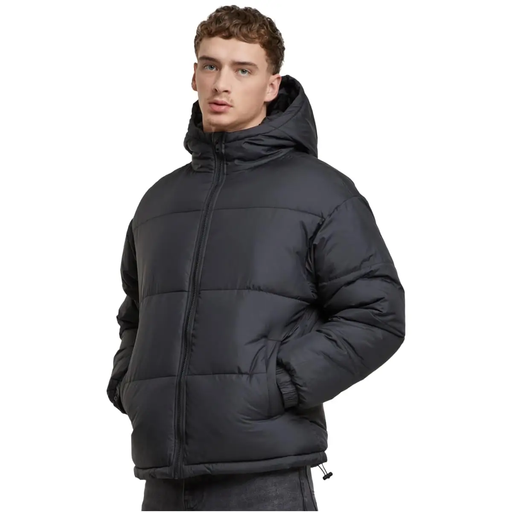
Why it suits this profile: This puffer jacket is designed for everyday use and offers a familiar winter coat construction with a hood, polyester filling and a polyamide outer layer.
The material composition and care instructions are clearly stated. However, check the size and allow enough room for a jumper.
100% polyester filling, a polyamide outer layer, a hood and machine washing according to the product information.

Why it suits this profile: The Triclimate construction combines an outer layer and an inner jacket, which can be worn separately or together. This is well suited to changeable conditions when travelling or enjoying outdoor activities.
The product description mentions taped seams, an adjustable hood, ventilation zips and adjustable cuffs. Check the current size and material information before buying.
3-in-1 system, adjustable features, hand-warmer pockets and an inner layer with 550 fill power down according to the product information.
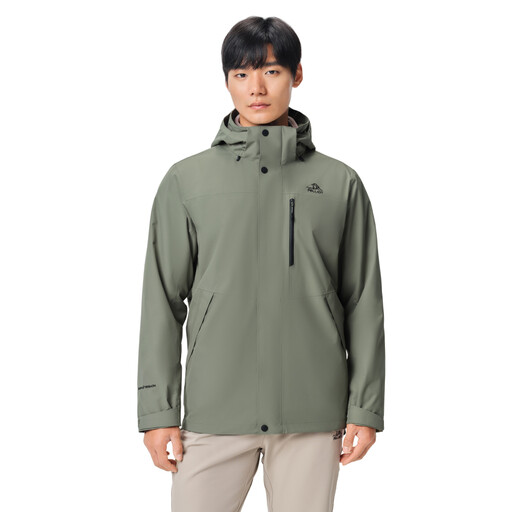
Why it suits this profile: The 3-in-1 construction is designed for camping, trekking, travel and everyday commuting where the weather can change quickly.
The product information lists technical figures for waterproofing, breathability and abrasion resistance. These figures are provided by the manufacturer and should be assessed alongside fit and care requirements.
Use the outer layer, inner lining or combined jacket; adjustable hood, hem and cuffs; suitable for layering.
We have put together a complete, up-to-date list of products that fully meet these strict selection criteria and the applicable European safety regulations.
A winter coat is primarily designed to provide warmth, for example with insulating filling or fleece. A waterproof coat focuses on protection from precipitation. Some models combine both functions, while a 3-in-1 outdoor coat allows the layers to be worn separately or together. Always check the technical specifications rather than relying solely on the product title.
For walking in changeable weather, an adjustable hood, sealed seams, freedom of movement and ventilation are practical features. A trekking jacket or 3-in-1 outdoor coat may be suitable if you want to use it across different seasons. For short walks in the city, a simple puffer jacket or fleece-lined coat may be sufficient, depending on the rain and wind.
Its lifespan depends on how often it is worn, friction, washing and storage. A coat worn every day and frequently rubbed against bicycle panniers or rucksack straps will experience more wear than one used occasionally. Follow the care label, dry the coat as instructed and store it clean and completely dry. If the coat has a water-repellent finish, it may need further treatment over time in accordance with the manufacturer’s instructions.
