
Vandaag of morgen in huis

Kwaliteit gegarandeerd

Welkomstaanbiedingen ontgrendelen: GRATIS bezorging | Tot 80% korting | Gratis 30 dagen JoyPlus-proefperiode
Download de app
In the Netherlands, a winter coat needs to do more than simply feel warm in the shop. Rain, strong winds, cycling, commuting and changing temperatures all place different demands on a coat. If you focus only on colour, brand or thick lining, you could end up with an impractical garment after just a few months.
The three most common pitfalls when buying a winter coat are:
Several components are important in a waterproof coat:
A hydrostatic head rating, such as 35.900 mm H₂O, indicates how much water pressure a fabric can withstand according to a particular test method. This does not guarantee that a coat will keep you dry in every situation. Also check whether the rating applies to the fabric, the seams or the complete garment.
A coat with only a DWR finish is mainly suitable for light precipitation and short-term use. According to The North Face product information, the DryVent model has a seam-sealed construction and a Non-PFC DWR finish. This makes it relevant for rainy training sessions, but proper care and keeping all zips closed remain important.
A warm coat may be filled with down, synthetic insulation or fleece. Each material has a different use profile:
According to the product description, the The North Face Triclimate features an outer layer and a down inner jacket with 550 fill power. The two parts can be worn separately or combined. The fill-power rating describes how much the down can expand; on its own, it does not indicate how much overall warmth the coat provides. The amount of down, fit and protection from wind also play a role.
A men’s or women’s winter coat should fit comfortably without restricting your freedom of movement. When comparing options, pay attention to:
Always use the size guide for the specific model. PELLIOT jackets, for example, list separate sizes for the outer and inner jackets. The manufacturer recommends allowing for layers when choosing your size. A larger size is not automatically more comfortable: too much room can let draughts in.
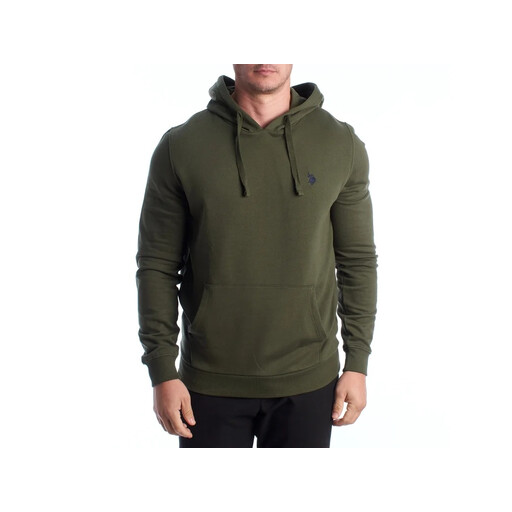
Why it suits this profile: This fleece hoodie is suitable for relaxed days, running errands and wearing as an extra layer underneath an outdoor jacket. According to the product information, it is made from 60% cotton and 40% polyester.
The product description mentions a thick fleece layer, hood and ribbed cuffs. It does not claim that this garment is waterproof on its own, so wear it as a layer underneath a waterproof jacket in wet weather.
Kangaroo pocket, adjustable hood, long sleeves and machine washing at up to 30 °C according to the care label.

Why it suits this profile: The Triclimate 3-in-1 design is ideal if you want one system for commuting, walks and changeable weather.
The product information lists taped seams, adjustable cuffs, a storm flap and underarm ventilation zips. These are practical features designed to help protect against rain and overheating.
Outer and inner layers that can be worn separately, an adjustable hood and 550 fill power down according to the product description.
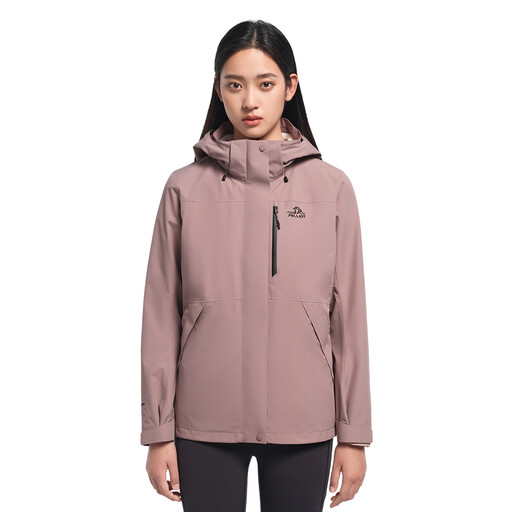
Why it suits this profile: This women’s winter coat is designed for camping, trekking and commuting. The 3-in-1 design lets you switch between the outer layer, lining and combined configuration.
According to the product information, the outer layer has a stated hydrostatic head of 35.900 mm H₂O, breathability of 16.000 g/m²/24 hours and abrasion resistance of more than 40.000 cycles. These are product specifications, not a guarantee for every use case.
Adjustable hood, hem and cuffs; separate outer and inner sizes; suitable for different seasonal layers.
We have put together a complete, up-to-date list of products that fully meet these strict selection criteria and the applicable European safety regulations.
Look for a membrane, taped seams, a protected zip and adjustable closures. A waterproof or outdoor jacket with only a water-repellent coating is mainly intended for lighter precipitation. Also check the care instructions, as coatings can become less effective through washing and use.
That depends on your activity and clothing layers. For cycling or walking, a windproof coat with ventilation is often more practical than a very thick model. For standing still, travelling or cold working days, a lined parka can offer greater comfort. A 3-in-1 coat provides more flexibility because you can adjust the layers to suit the conditions.
Its lifespan depends on how it is used, the material, washing and storage. Close the zips before washing, use the recommended programme and avoid tumble-drying when the label advises against it. For a ski jacket, walking jacket or work jacket with reflective details, regularly check the seams, cuffs and reflective sections. A well-maintained coat will generally retain its shape and protective properties for longer.
