
Vandaag of morgen in huis

Kwaliteit gegarandeerd

Welkomstaanbiedingen ontgrendelen: GRATIS bezorging | Tot 80% korting | Gratis 30 dagen JoyPlus-proefperiode
Download de app
In the Netherlands, a winter coat needs to cope with more than just low temperatures. Rain, wind, cycling, walking and changeable conditions all make different demands. Yet many people choose mainly based on colour, discounts or a vague claim such as “extra warm”. That can leave you with a coat that feels too heavy after a few weeks, doesn’t keep out the rain or is too tight to wear over a jumper.
With this practical guide, you can compare winter coats by warmth, protection, fit, material and intended use. Then take a look at some popular options for everyday wear, outdoor activities and more intensive use.
A thick coat isn’t automatically right for every situation. A puffer jacket with polyester filling can be comfortable for commuting, but a thick layer of insulation may feel too warm on a brisk walk. A fleece jacket, on the other hand, works well as a mid-layer but offers little protection against prolonged rain on its own.
So look at the combination of insulation, lining and outer layer. A padded coat or parka is often practical if you’re sitting still on your bike or waiting at a bus stop. For more active use, a fleece jacket under a waterproof coat gives you a more flexible system.
A water-repellent coat can keep out light drizzle for a while. In prolonged rain, however, a waterproof coat with suitable seams, fastenings and a protective outer layer is more important. Always check whether the product description actually says “waterproof”.
Performance claims come from the manufacturer or seller. For example, the description of certain PELLIOT hardshell jackets says that the fabric can withstand prolonged heavy rain. This is a claim made in PELLIOT’s product description, not an independent guarantee for every weather condition.
You’ll often wear a winter coat over a jumper, cardigan or fleece jacket. A size that fits well over a T-shirt may feel too tight across the shoulders and under the arms when worn for everyday use in winter. So measure your chest and check the coat’s dimensions. Also look at the sleeve and back lengths, and the room around the waist.
Check the type of filling and lining. According to the product information, the Urban Classics Basic Puffer Jacket has 100% polyester filling, an outer layer made from 100% polyamide and a polyester lining. This gives you clear information about its composition, but it doesn’t tell you exactly how warm you’ll find it.
A fleece jacket such as the THE North Face Women Jackets NF0A8DZY is described as being made from 100% polyester fleece and designed as a mid-layer. You’ll usually need a separate outer layer to protect you from rain and strong winds.
A high collar, adjustable hood and adjustable cuffs are useful features for cycling, walking and camping. A hooded parka often covers more of your body than a shorter style. An outdoor jacket with a hardshell outer layer is especially worth considering when freedom of movement and protection from changeable weather matter.
Look out for the difference between:
Without a stated hydrostatic head rating, seam construction or test standard, it’s difficult to compare a coat’s exact resistance to rain. So don’t rely on terms such as “storm-proof” alone.
An adjustable hood, cuffs and hem help you fine-tune the fit. Check the care instructions too. According to the product information, the Urban Classics puffer can be machine-washed on a cold setting and tumble-dried on a low heat or air-dried. The PELLIOT hardshell should be washed on a cold, gentle cycle and must not be tumble-dried, according to its description.
Good care helps keep the shape, fastenings and material in use for longer. Always follow the care label inside the coat, as instructions may vary between versions.
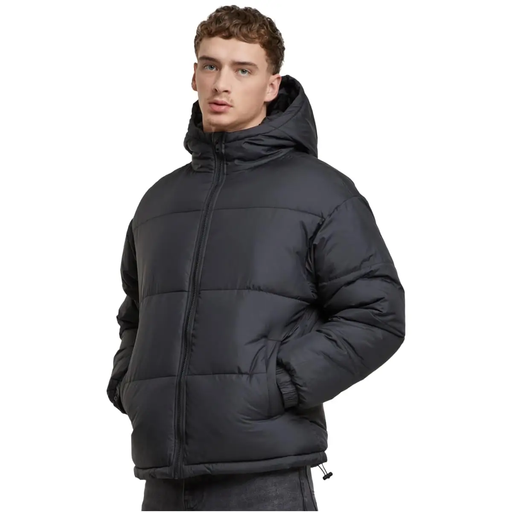
Why it suits this profile: A simple style for everyday wear, shopping and commuting. The hood offers extra coverage on cold days.
The composition is clearly stated: polyamide on the outside, with polyester filling and lining. Just make sure there’s enough room for a jumper.
Polyester filling, a hood and machine-washable care according to the product information.
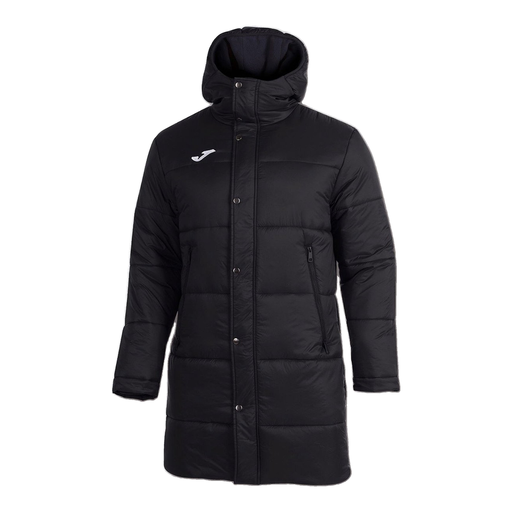
Why it suits this profile: A men’s winter coat with a parka cut, for anyone looking to combine warmth, plenty of pocket space and a classic look.
The description mentions an insulated construction, an adjustable hood and adjustable cuffs. The product page states that it is waterproof; check the exact version and label before use.
100% nylon according to the product details, with multiple pockets and adjustable features.
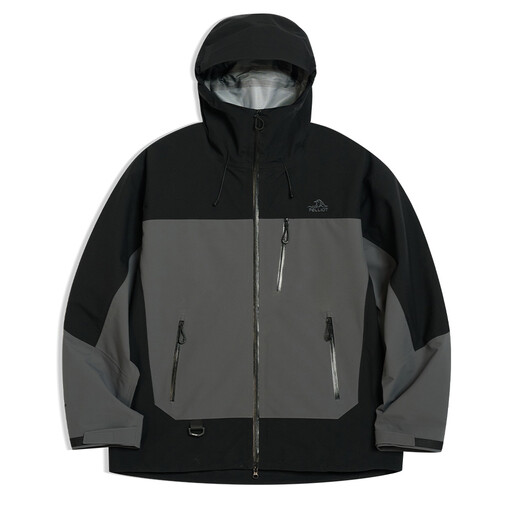
Why it suits this profile: An outdoor jacket for walking, camping and activities where wind, rain and wear and tear are a factor.
The product description states that it is waterproof, windproof and hard-wearing. This is an outer layer, so add a fleece jacket or insulating mid-layer in cold weather.
Sizes XS to XXL, with chest, shoulder and sleeve measurements provided; wash on a cold, gentle cycle.
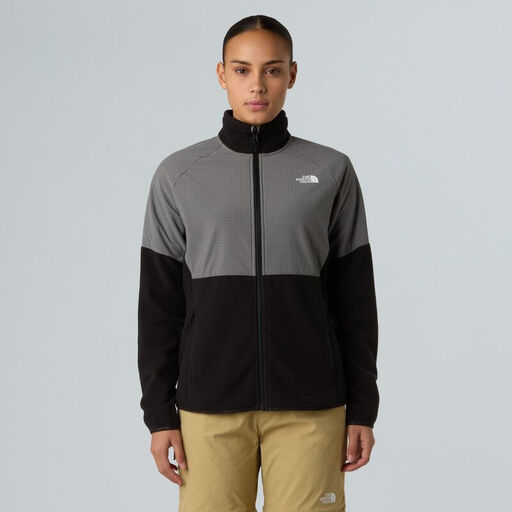
Why it suits this profile: According to the product description, this fleece jacket is designed as a mid-layer for walking, alpine activities and camping.
Its role as a mid-layer is clearly described, so you don’t need to judge a fleece jacket as though it were a fully waterproof coat.
100% polyester fleece, a full-length zip and secure hand pockets according to the product information.
We’ve put together a complete, up-to-date list of products that meet these strict selection criteria and the applicable European safety regulations.
Choose a coat whose product description states that it is waterproof, and look for a hood, high collar and adjustable cuffs. For regular cycling, a hardshell or longer parka is often more practical than a standalone fleece jacket. Also check that the coat has enough room for a warm layer underneath.
Its lifespan depends on how often you wear it, how you wash and dry it, and how you store it. A coat worn regularly for walking or camping will take more wear and tear than one used around town. Follow the care label, fasten the zips before washing and avoid heat if the manufacturer advises you to. Before buying, also check the seams, zips, cuffs and quality of the adjustable features.
No. The price doesn’t automatically tell you how warm or protective a coat will be. Compare the filling, lining, outer fabric, fit, and stated protection from water and wind. An affordable puffer jacket may be enough for everyday wear, while a fleece jacket paired with a hardshell could work better as a layering system for walking or camping.
