
Vandaag of morgen in huis

Kwaliteit gegarandeerd

Welkomstaanbiedingen ontgrendelen: GRATIS bezorging | Tot 80% korting | Gratis 30 dagen JoyPlus-proefperiode
Download de app
A wine fridge can be a useful addition if you want to store bottles at a consistent temperature. However, it is unwise to choose one based solely on a glass door, a large bottle capacity or a modern appearance. The right choice depends on the space you have available, the type of wine you drink and how often you use the fridge.
In this guide, the Joybuy Product Recommendation Officer discusses the key points to consider, common pitfalls and a selection of suitable products.
Manufacturers often base capacity on standard bottles. Bottles with a wider body, sparkling wine bottles and unusual shapes take up more room. As a result, a 12-bottle wine fridge may offer fewer usable spaces in practice if you store a variety of bottle shapes.
So do not just look at the number of bottles. Also consider:
A wine fridge with a glass door looks neat in the kitchen, living room or bar. However, glass lets light through. For long-term wine storage, it is therefore important to check whether the door offers UV protection. If this is not clearly specified, it is best not to place the fridge next to a sunny window.
A glass door is particularly useful for visibility and quick selection. Also check that the door seals properly and that the hinge is on the side you prefer.
A Wi-Fi wine fridge may allow you to control the temperature via an app. This is useful if you want to check the fridge remotely, but it does not replace proper positioning. A stable surface, sufficient ventilation and the correct temperature setting remain more important.
Also pay attention to energy consumption. The Haier HWS58GGH1, for example, states annual consumption of 147 kWh and energy efficiency class G. These are verifiable details that you can factor into the total running costs.
A wine cooler or wine storage cabinet is designed to keep wine at a set temperature. A single zone is straightforward if you mainly store one type of wine. If you want to store red and white wine at different temperatures at the same time, it is better to look for a model with two temperature zones.
Always check the stated range. According to the product specifications, the Haier HWS58GGH1 has one zone with a range of 5 °C to 20 °C. This allows for different storage purposes, but the appropriate setting depends on the wine and the recommendation on the label.
Measure the space where you plan to put the wine fridge before ordering. Take the following into account:
A 12-bottle cabinet is suitable for a small supply. For a growing collection, models holding 18, 33 or 58 bottles are more practical. Bear in mind that the actual capacity may vary when storing wider bottles.
Wooden shelves can support bottles neatly and give the cabinet a classic appearance. Adjustable shelves are useful when you store different bottle sizes. For long-term storage, vibrations and light are also important factors to consider. Choose a location away from direct sunlight and avoid opening the door unnecessarily often.
A wine rack mainly provides wine storage and presentation. It does not cool wine or regulate the temperature. For short-term storage in a cool room, a wine rack may be sufficient; for temperature control, you need a wine fridge or wine storage cabinet.
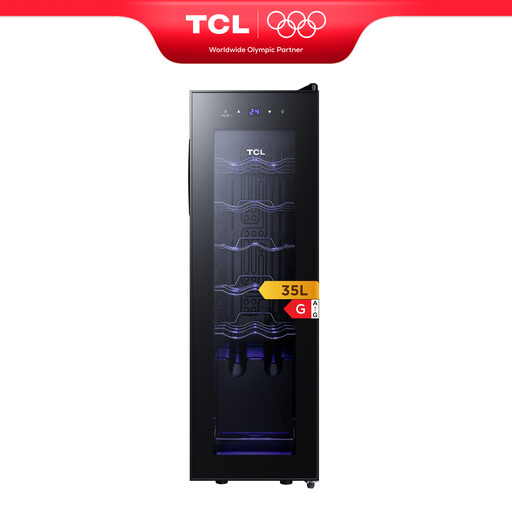
Why it suits this profile: The compact 35-litre capacity and stated capacity of 12 bottles make this model suitable for a smaller home, flat or first wine collection.
The clearly stated capacity helps prevent you from buying a cabinet that is too large for a limited supply. Do check that your bottle shapes will fit.
35 litres, space for up to 12 bottles according to the product name, and a glass door for quick selection.
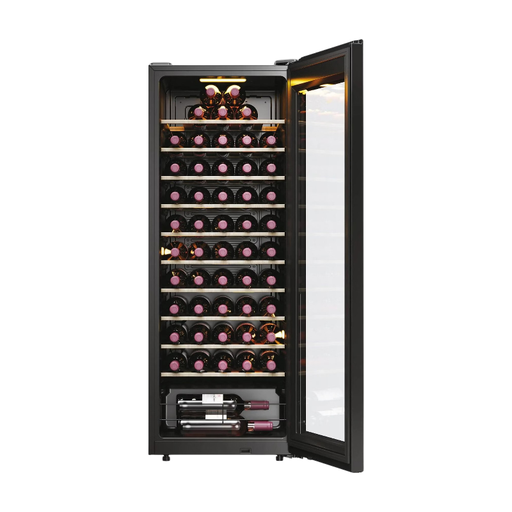
Why it suits this profile: This model is designed for a larger collection, combining capacity for 58 bottles with 10 adjustable wooden shelves, UV glass and Wi-Fi control.
The product specifications state both the capacity and energy consumption of 147 kWh per year. This allows you to assess space and consumption together.
58 bottles, one temperature zone, a range of 5 °C to 20 °C, a UV-protected glass door and hOn app support.
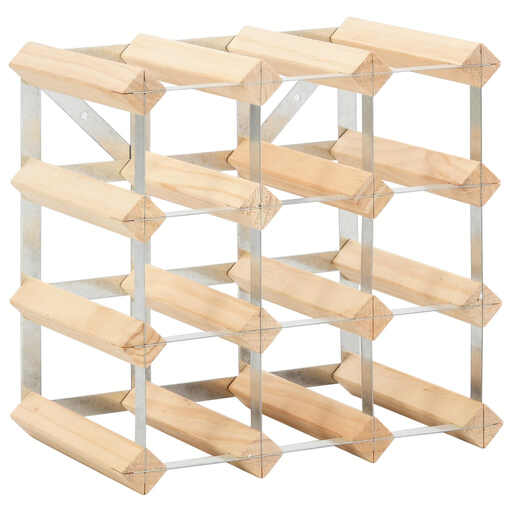
Why it suits this profile: If you want to store wine visibly without using an electrical appliance, this wine rack holds up to 12 standard bottles.
You do not pay for cooling when all you need is tidy storage. Secure the rack according to the supplied instructions to prevent it from tipping over.
Solid pine wood and galvanised steel, capacity for 12 standard bottles and mounting materials included.

Why it suits this profile: This sweet Chinese rice wine is suitable for drinking chilled and can also be used in desserts or dishes made with glutinous rice.
The 250 g pack is practical if you want to try a small quantity first. Once opened, the bottle should be chilled and used promptly.
Alcohol content of 1,2%, ready to serve and suitable as an ingredient in sweet rice wine desserts.
We have put together a complete, up-to-date list of products that fully meet these strict selection criteria and the applicable European safety regulations.
These terms are often used interchangeably, but their functions differ:
For everyday use, a small cabinet may be sufficient. For a larger collection, capacity, adjustable shelves, ventilation and energy consumption are more important than appearance alone.
Place the cabinet on a flat, stable surface and do not block the ventilation openings. The exact clearance requirements are given in the manual for the model you choose. Avoid direct sunlight and heat sources, as these can affect performance.
This depends on the model, the set temperature, the surrounding environment and energy consumption. Use the stated annual consumption as a point of comparison. The Haier HWS58GGH1 lists 147 kWh per year. Multiply this by your electricity tariff for a rough estimate.
A wine fridge can help you manage temperature and light more effectively, but shelf life varies depending on the wine, bottle and closure. Store opened bottles according to the instructions on the product and always close the cabinet door properly. A wine rack is mainly suitable for storage without active temperature control.
