
Vandaag of morgen in huis

Kwaliteit gegarandeerd

Welkomstaanbiedingen ontgrendelen: GRATIS bezorging | Tot 80% korting | Gratis 30 dagen JoyPlus-proefperiode
Download de app
A fine bottle of wine deserves the proper care. Whether you are a budding enthusiast or a serious collector, a wine cooler seems like the ideal solution for storing your collection under perfect conditions. However, the market is filled with models that overpromise and underdeliver. Before you invest, it's crucial to know what to look for to prevent your purchase from ending in disappointment.
Many buyers fall for a few common pitfalls:
To avoid these problems, focus on a few key specifications. These determine whether a wine cooler does its job effectively or is merely an expensive refrigerator.
The primary function of a wine preservation cabinet is to maintain a constant temperature.
Pay attention to the climate class (e.g., N, SN, ST, T). This indicates the ambient temperature range in which the cabinet functions optimally. A cabinet with climate class SN-ST works well in most UK households (10°C to 38°C).
UV radiation is one of wine's greatest enemies. It breaks down the complex molecules that create flavour and aroma. A standard glass door offers no protection against this. Therefore, always choose a wine cabinet with UV glass. This is a door with a special coating or multiple layers of glass that block nearly all harmful radiation, while still allowing you to display your collection. A solid door is an alternative, but you lose the visual appeal.
Wine needs to mature in peace. A compressor is the engine of the cooling system, but it can also cause vibrations. Good models have a low-vibration compressor system and are often equipped with rubber dampeners.
The shelves also play a role in this. Wooden shelves, often made of beech wood, naturally help to absorb vibrations. They are sturdier than metal racks and prevent labels from getting damaged. Check if the shelves are extendable for easy access to your bottles.
Based on these criteria, we have selected a number of products that suit different needs and situations.
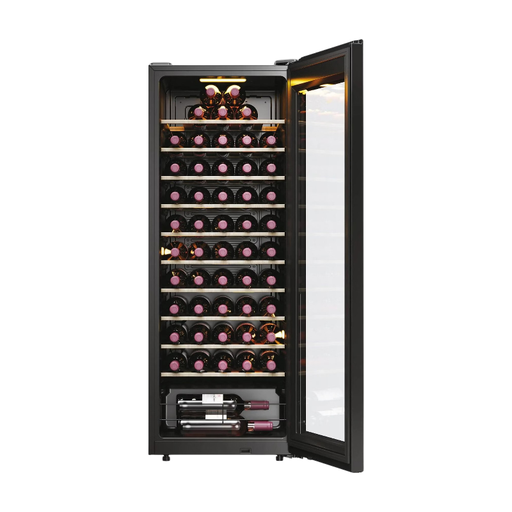
Why This Fits Their Persona: This user is looking for a reliable solution to store a growing collection. The Haier wine cooler offers the technology and capacity needed to mature wine under stable conditions for the long term.
The door features UV-resistant glass, the compressor is designed for low vibration, and the 10 wooden shelves provide stable storage for 58 bottles. This model directly addresses the three main pitfalls.
The Wi-Fi-enabled wine cooler can be managed remotely via the hOn app. The temperature is adjustable from 5°C to 20°C, making the cabinet versatile for different wines.
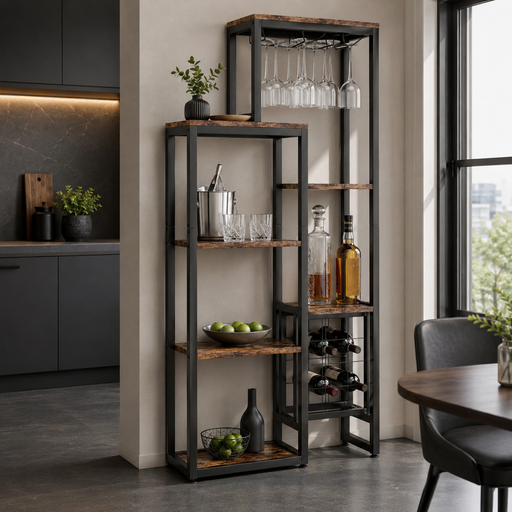
Why This Fits Their Persona: For those starting their wine collection and looking for a functional, affordable, and stylish way to organise bottles. This rack provides a starting point without the investment of a climate-controlled cabinet.
This is an honest product: a wine rack. No complex technology, no risk of noise or defects. It does exactly what it promises: neatly storing your wine and glasses.
Combines storage for 12 bottles, a holder for 6-9 glasses, and extra shelves for accessories in one compact unit. The industrial style fits well in many interiors.
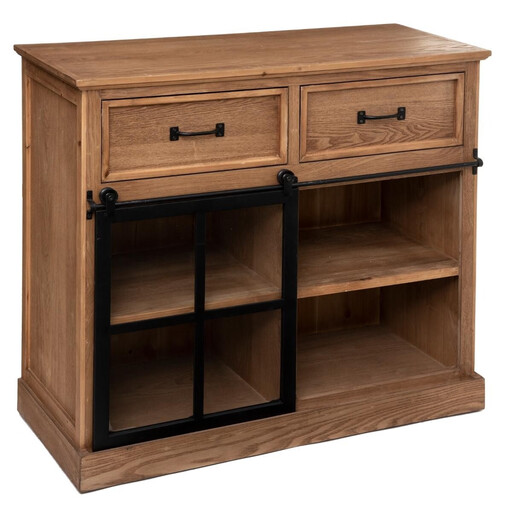
Why This Fits Their Persona: For those who value design and ambiance more than refrigerated storage. This sideboard is a piece of furniture that integrates wine storage into the living or dining room, ideal for bottles intended for near-term consumption.
This sideboard doesn't pretend to be a wine cooler. It is a stylish storage solution. The tempered glass door offers a view of the bottles but is intended for aesthetics, not long-term UV protection.
The neo-vintage style, with its combination of fir wood, steel, and glass, makes it a characterful piece of furniture. Besides wine storage, it also offers space for glasses, plates, and cutlery in its drawers.
We have compiled a complete, up-to-date list of products that fully meet these strict selection criteria and UK safety regulations.
Although the terms are often used interchangeably, there is a technical difference. A wine cooler is primarily intended to bring and keep wine at serving temperature. A wine preservation cabinet (or wine storage cabinet) is designed for the long-term storage and maturation of wine. These cabinets not only regulate temperature but often also control humidity and protect against vibrations and UV light.
The noise level is expressed in decibels (dB) and can be found on the energy label. A quiet wine cooler produces less than 40 dB, which is comparable to the noise in a library. Models with a noise level above 45 dB can be perceived as disruptive in a quiet living environment. Pay attention to the noise emission class (A to D), where A is the quietest.
A freestanding wine cooler needs space to dissipate heat. Do not place the unit tightly against a wall or in an enclosed niche unless it is a built-in model. Leave at least 5-10 cm of free space at the back and sides for ventilation. Avoid placing it next to heat sources such as an oven, radiator, or in direct sunlight, as this puts extra strain on the compressor and increases energy consumption.
