Start with the platform you want to build and test the app on, then compare memory, SSD capacity and ports for your photo archive. Google recommends at least 16 GB of RAM for the best experience with the Android Emulator; for Xcode, your macOS version must be compatible with the Xcode version you choose. A larger internal SSD is no substitute for a separate backup of your photos and tags.
Who is this laptop guide for?
Android app developer
You want to write code and test your photo tagging app locally using an Android emulator. So, check the available memory and the requirements of your development environment. Google recommends at least 16 GB of RAM for the best experience with the Android Emulator.
Developer with a local photo archive
You keep test photos and tag data on your own devices and need space for both your working collection and a separate backup. Your laptop’s SSD is working space; plan to keep a copy on another storage device too.
Apple app developer
You want to develop for an Apple platform using Xcode. Check that the macOS version on your chosen laptop meets the requirements of the Xcode version you want to use, as specified by Apple Developer.
What should you look for?
Google recommends at least 16 GB of RAM for the best experience with the Android Emulator. Treat this as a guide for that workflow, not a general requirement for every app.
| What to consider |
What should you check? |
Who is this important for? |
| Development environment and local testing |
Check the memory configuration and the requirements of the IDE and emulator you use at the same time. |
If I code and test locally with an Android emulator, I want to know whether the memory is right for my development environment. Around 36% of consumers prioritise local development and emulation. |
| Space and keeping photos and tags safe |
Estimate how much SSD space you need and plan a backup on another device. |
If my photo archive and tag data stay local, I need room for both my working collection and a separate recovery copy. Around 29% of consumers give local photo and tag storage top priority. |
| Developing for Apple platforms |
Compare the supported macOS version with the requirements of the Xcode version you plan to use. |
If I’m building for an Apple platform, I want to make sure my Mac supports the Xcode version I need. Around 21% of consumers prioritise Apple platform development. |
| Working in different locations |
Compare the size and weight of the configuration, and check that the ports suit your storage devices. |
If I take my laptop between work and test locations, I consider portability and connections for importing photos. Around 14% of consumers prioritise working on the move. |
Common pitfalls
-
Thinking the internal SSD is a backup
If your photos and tags are stored only on your laptop, losing or damaging it could also mean losing your only local copy.
Make a separate backup on another device and check that you can restore the files.
-
Assuming every configuration has the same specifications
According to ASUS, the ASUS Vivobook S 14 OLED S5406 series includes configurations with both 32 GB of memory and a 1 TB SSD, and 16 GB of memory and a 512 GB SSD.
Compare the full model number with the specifications of the laptop you’re actually buying.
-
Assuming local storage means you have permission to process the data
People who can be identified in photos may be considered personal data. If you process them for an organisation, security measures also matter, according to the Dutch Data Protection Authority.
Decide whether you’ll use the app for personal purposes only or process data about other people, and tailor the security and retention period to how you’ll use it.
Brands to compare
Apple
A relevant choice if you need Xcode to develop for Apple platforms.
- Apple lists 16 GB of memory, a 512 GB SSD and two Thunderbolt 4 ports for the 13-inch MacBook Air M5 configuration.
- Check that the macOS version supports your Xcode version and that there’s enough storage for your photos and development files.
ASUS
The Vivobook S 14 OLED is a Windows range worth comparing for development work with local photos.
- ASUS lists 32 GB of memory and a 1 TB SSD for one S5406SA configuration, along with USB-A, Thunderbolt 4 and microSD.
- The range also includes a configuration with 16 GB of memory and a 512 GB SSD, so check the full model number.
Lenovo
The ThinkPad T14 Gen 6 (Intel) is a business Windows range worth comparing if ports and replaceable parts are important to you.
- Lenovo lists connectivity options and customer-replaceable parts for this range.
- Check which ports and parts are available for each configuration, along with the applicable service terms.
Dell
The configurable Dell Pro 14 PC14250 is a business Windows option worth comparing for its hardware and service terms.
- Dell describes ProSupport Plus as an add-on service that includes benefits such as priority support and next-business-day on-site repair.
- Check whether the service is included with your chosen configuration or must be purchased separately.
Joybuy laptops for Windows development
These Windows laptops are options for development work and for storing or importing local photos and project files.
 Image unavailable
ASUS ROG Zephyrus G16 GU605CM-QR026W
A Windows laptop worth comparing for local development work and importing photos from a compatible SD card.
16-inch, 16 GB RAM and 1 TB SSD; the product information lists Thunderbolt 4 and a UHS-II SD card reader. The charger must be purchased separately.
View at Joybuy
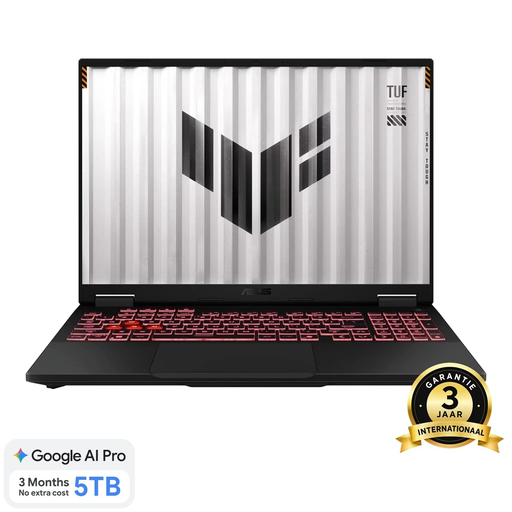 Image unavailable
ASUS TUF Gaming A18 FA808UM-S8132W
A Windows configuration worth comparing if you want to connect external storage or accessories while importing photos.
18-inch, 16 GB DDR5 and 512 GB SSD; the product information lists USB4, USB-C and USB-A.
View at Joybuy
 Image unavailable
HP OmniBook Ultra Next Gen AI 16-bk0001nd
A Windows 11 Pro configuration worth comparing if you want to keep local development files and a photo collection on the internal drive.
32 GB RAM, 1 TB SSD and a 16-inch 3K OLED touchscreen with 120 Hz.
View at Joybuy
 Image unavailable
HP OmniBook Ultra Next Gen AI 16-bk0004nd
A Windows 11 Pro configuration worth comparing if you want plenty of space for local projects and files.
128 GB RAM, 2 TB SSD and a 16-inch 3K OLED touchscreen with 120 Hz.
View at Joybuy
 Image unavailable
Lenovo Yoga Pro 9 15N1X11 83SR0032MH
A Windows laptop worth comparing if you want to store development files and photos locally and need connections for accessories.
15.3-inch, 64 GB RAM and 1 TB SSD; the product information lists USB4, USB-A, HDMI and an SD card reader.
View at Joybuy
Frequently asked questions
Do I always need a Mac for a photo tagging app?
No, it depends on the platform you’re developing for. Android Studio is available for several operating systems. If you’re developing for Apple platforms with Xcode, check that your macOS version meets the requirements of the Xcode version you’ve chosen.
How can I store photos and tags locally without having just one copy?
Make a separate backup of both your photos and tag data, and check that you can restore them. Apple describes using Time Machine with external storage, while Microsoft describes File History for files and folders. Check that the folder containing your tag database is actually included in the backup.
Should I buy an extended manufacturer’s warranty?
Not automatically. According to the Dutch government, if a product develops a problem in a consumer purchase, the seller must provide a solution. So compare a paid extended warranty with the rights and services it actually adds.
Can I tag identifiable people if the photos are stored locally only?
Local storage alone doesn’t determine whether processing complies with privacy rules. The Dutch Data Protection Authority notes that identifiable people in photos are personal data; organisations also have security obligations when processing them. Assess the specific use and appropriate security measures before using the app for other people or an organisation.


