
Vandaag of morgen in huis

Kwaliteit gegarandeerd

Welkomstaanbiedingen ontgrendelen: GRATIS bezorging | Tot 80% korting | Gratis 30 dagen JoyPlus-proefperiode
Download de app
By: Joybuy Product Recommendation OfficerDate: July 22, 2026
Do you want to keep an eye on your driveway, garden, or front door, but you can't or don't want to drill into your exterior walls? You're not alone. Many renters, apartment dwellers, and shop owners are looking for a hassle-free solution. An indoor camera pointing outwards seems like the perfect choice. You simply place it on the windowsill.
However, you'll quickly run into a common problem: during the day, you mostly see the reflection of your living room, and at night, the image is a white glare due to the reflection of infrared light. Finding a camera that can film through glass without these issues is key.
In this article, we'll help you make the right choice. We'll discuss what to look for and provide some concrete recommendations for a security camera for behind a window that actually works.
Before you choose a camera, it's important to know which specifications are crucial for this specific purpose.
The biggest obstacle is night vision through glass. Standard security cameras use infrared (IR) LEDs to "see" in the dark. If you place such a camera behind glass, the IR light reflects directly back into the lens. The result is an unusable, overexposed image.
Therefore, look for cameras with one of the following features:
The whole point of a camera behind the window is convenience and avoiding damage. A drill-free security camera is therefore a must. Look for models with:
This makes the camera ideal for an apartment camera or rental property.
A camera pointing outwards sees a lot of movement: passers-by, cars, swaying trees. To prevent your phone from being flooded with notifications all day, smart detection is useful. Features like AI Person Detection or Vehicle Detection ensure you only get an alert when something relevant actually happens. Customisable motion zones, which allow you to ignore parts of the image (like the public road), are also very practical.
Based on the criteria above, we have listed a few popular choices for you. These models offer a good balance of functionality, ease of installation, and image quality for use behind glass.
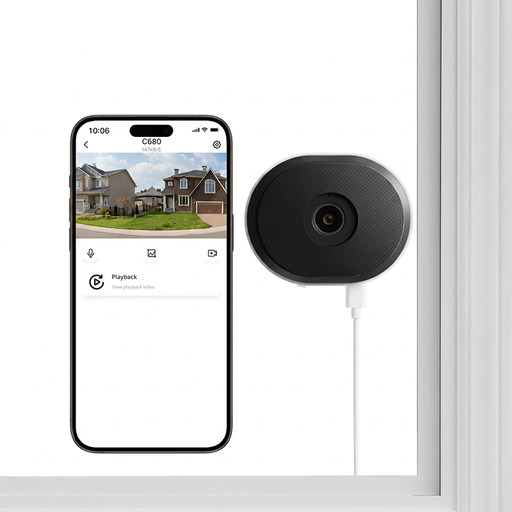
Why It Stands Out: This model is specifically designed as an anti-reflection camera. According to the manufacturer ZOSI, its lens technology was developed to reduce glare from sunlight, indoor lighting, and night-time reflections, even through double-glazed windows.
Pros:
Who Is It For? For anyone looking for a reliable and clear solution for filming through a window, day and night. Ideal for renters, apartment dwellers, and shop owners who want to secure their storefront.
View the ZOSI C680 on Joybuy.nl
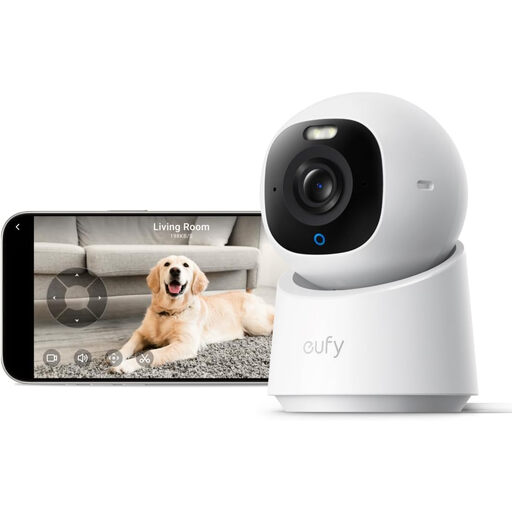
Why It Stands Out: The eufy E30 offers an impressive 4K UHD resolution and the ability to pan and tilt 360 degrees. While not specifically designed as a window camera, its built-in spotlight provides an alternative to infrared, which can help with night vision through glass.
Pros:
Who Is It For? For users who want the highest possible image quality and flexibility. The pan-and-tilt function is useful if you want to monitor a wide area, such as an entire garden or a car park. The spotlight is a clever way to work around the IR reflection problem.
View the eufy Indoor Cam E30 on Joybuy.nl
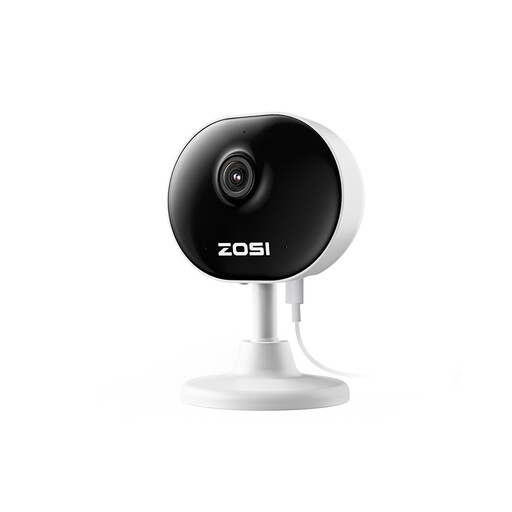
Why It Stands Out: This is a very compact and affordable entry-level camera. Although it lacks special anti-reflection technology, you can disable the infrared night vision and rely on ambient light. Its small size makes it very discreet.
Pros:
Who Is It For? For budget-conscious users who want a simple indoor camera pointing outwards to use in situations with sufficient outdoor lighting at night. Also an excellent choice as a general indoor camera for monitoring a room, pet, or baby.
View the ZOSI C688 on Joybuy.nl
The world of security cameras is vast. If the options above don't quite meet your needs, or if you're looking for even more discreet models, take a look at our broader category.
Discover more hidden video and audio surveillance cameras
1. Can a regular security camera film through glass? Yes, this usually works fine during the day. The problem arises at night. The infrared (IR) LEDs that most cameras use for night vision reflect off the glass. This causes you to see only a white, overexposed glare instead of what's happening outside.
2. How do I prevent glare with a camera behind a window? The most effective way is to choose a camera specifically designed for this purpose, such as a model with anti-reflection technology or color night vision. Other tips include: manually turning off the infrared light, ensuring there is sufficient outdoor lighting (e.g., a motion-activated outdoor lamp), and placing the camera's lens as close to the glass as possible.
