
Vandaag of morgen in huis

Kwaliteit gegarandeerd

Welkomstaanbiedingen ontgrendelen: GRATIS bezorging | Tot 80% korting | Gratis 30 dagen JoyPlus-proefperiode
Download de app
Cleaning high windows, large patio doors and glass doors takes time and can be awkward. A window-cleaning robot can take some of the work off your hands, but not every model is right for every home. This is especially true for exterior windows and hard-to-reach glass surfaces, where it’s important to look beyond suction power or promises of automatic cleaning.
For many window-cleaning robots, the internal battery is intended as a back-up in case of a power cut. The robot still needs to be plugged into a mains socket while cleaning. So check whether the product:
So a battery indicator doesn’t automatically mean you’re getting a fully cordless electric window cleaner.
A suction-powered window-cleaning robot needs to stay firmly attached to the glass, but how well it works in practice also depends on the surface, seal, weight and sensors. Rough, cracked, textured or porous materials may not be suitable, even if the stated suction power is high.
According to the product descriptions of the models in this guide, they’re designed for smooth glass and other smooth, non-porous surfaces. Always check before using one on mirrors, tiles or glass doors.
An automatic window cleaner can follow a route and spray water, but stubborn dirt, dried-on bird droppings and edges may need extra attention. The cleaning pads also need to be clean. A dirty pad can spread dirt or leave streaks.
Be wary, too, of claims such as “streak-free” or “professional results”. A brand’s own tests may show these results under specific conditions, so don’t assume they’re guaranteed on every type of window.
Compare the stated suction power, but also look at the safety features. Useful features include:
The PuRuiKai PRK-309 is listed in its specifications as having 2800 Pa suction power, automatic edge detection, a 4.5-metre safety cord and up to 30 minutes of protection during a power cut. The manufacturer also states that the device must remain plugged into a mains socket while in use.
A window-cleaning robot is easier to use when it can plan a route automatically and then return to a sensible finishing point. Check whether it offers:
A window-cleaning robot with a remote control is especially useful if you want it to spend extra time on certain areas. Even when a window-cleaning robot is working on exterior windows and following an automatic route, you still need to keep an eye on it.
A small tank is compact, but needs refilling more often. According to the stated specifications, the PRK-309 and PRK-21B have a 50 ml tank. Only use a liquid that’s suitable for the device. Too much foam or an unsuitable cleaning solution can affect how it works.
Don’t use the robot in a way that could allow water to reach its electronic components. Spray the solution only through the designated opening or onto the mop, depending on the instructions.
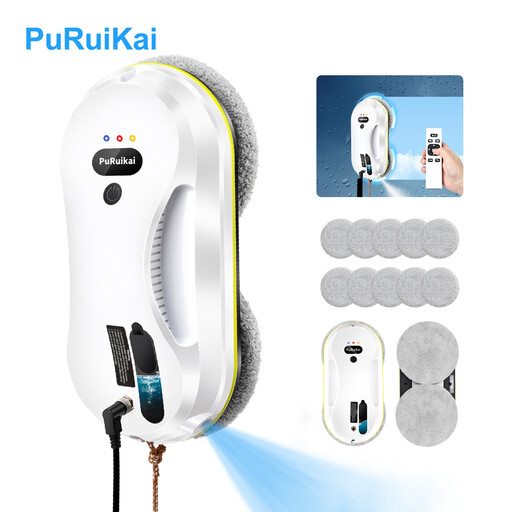
Why it suits this type of user: This model combines straightforward remote control with automatic route planning and manual or automatic water spraying. That makes it a good introduction to using a window-cleaning robot.
The product specifications clearly state that mains power is required and that the internal battery is for back-up only. Edge detection and a safety cord are also listed.
2800 Pa suction power, 50 ml water tank, automatic route planning and remote control.
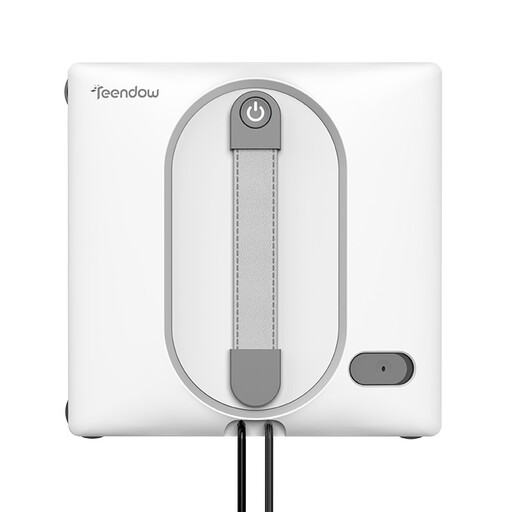
Why it suits this type of user: The product description lists automatic, manual and scheduled cleaning modes. This makes it a good fit for homes with several large, smooth glass surfaces and a need for more control options.
As well as stating a suction power of 5500 Pa, the product description lists a safety cord, suction monitoring and anti-fall sensors. Before buying, be sure to check the full instructions and confirm that your surfaces are suitable.
Four-point water spraying, three control modes and stated suction power of 5500 Pa.
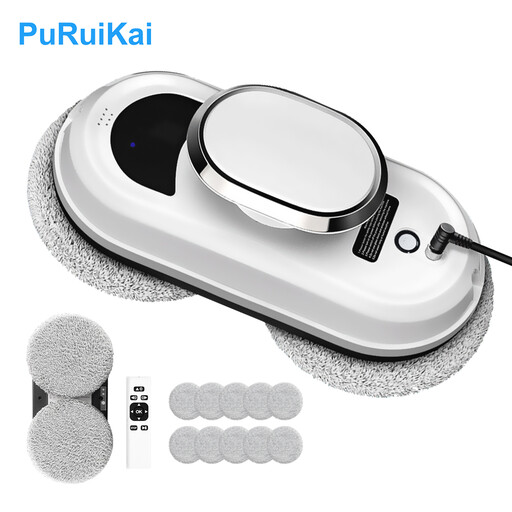
Why it suits this type of user: Its dual suction is designed for people who regularly clean larger, smooth glass surfaces and value automatic path planning and remote control.
The listing states 2800 Pa × 2, automatic edge detection, power-cut protection and a safety cord. As with other models, you’ll need to supervise it while it’s in use.
Two stated suction points, automatic route planning, remote control and a weight of around 1.1 kg.
We’ve put together a full, up-to-date list of products that meet these strict selection criteria and the applicable European safety requirements.
A window-cleaning robot doesn’t replace the need to keep an eye on it. When cleaning high exterior windows, take account of falling objects, weather conditions and whether the mains cable can reach.
It depends on the model. According to their product information, the PuRuiKai models in this guide must stay plugged in while in use. Their internal battery is designed to provide protection during a power cut, not for normal cordless cleaning. Always check this before buying.
No. These devices are generally designed for smooth, flat, non-porous glass. Textured glass, damaged panes, rough tiles and porous surfaces can interfere with adhesion and route planning. Check the product specifications and, if in doubt, test it first on a small, safe area.
As well as the purchase price, you’ll need to factor in replacement mop pads, cleaning solution and electricity. A model with water spraying may mean less hands-on work, but a small tank may need refilling more often. Cleaning the pads regularly also helps prevent streaks and unnecessary wear.
