
Vandaag of morgen in huis

Kwaliteit gegarandeerd

Welkomstaanbiedingen ontgrendelen: GRATIS bezorging | Tot 80% korting | Gratis 30 dagen JoyPlus-proefperiode
Download de app
Wide Sichuan noodles are popular with fans of spicy, aromatic meals that need to be ready quickly. Their broad shape holds sauce well and gives a satisfyingly firm bite. However, not all products are the same. Some are made from wheat flour, while others use potato starch, and preparation methods range from brief soaking to cooking in a pan.
Anyone who focuses only on terms such as “extra spicy”, “hotpot” or “authentic flavour” could end up choosing a product that does not suit their preferences. According to the brands’ own product information, these noodles are primarily about texture, sauce pairing and ease of preparation. Always check the ingredients, allergens and nutritional information on the packaging.
“Wide” describes the shape, but not necessarily the bite. Wheat noodles are generally elastic and firm when prepared correctly. Noodles made with potato starch or sweet potato starch are often smoother and semi-transparent. Preparation time also affects the texture: boiling or soaking for too long can make the noodles softer.
A high quantity of chilli oil does not automatically mean a pronounced Sichuan flavour. Sichuan dishes often combine chilli with spices such as Sichuan pepper, which creates an aromatic, gently tingling flavour profile. If you mainly enjoy intense chilli heat, a red-oil variety may be the better choice. If you prefer a more aromatic Mala flavour, check the ingredients list carefully.
A pack of 440 g, 800 g or more can be appealing for a household that eats noodles regularly. However, pay attention to the serving size, shelf life and storage requirements after opening. Individual portions are practical for students or a quick lunch, while multipacks may be more useful for keeping a stock. Compare not only the total price, but also the number of portions and the preparation method for each portion.
The base determines the mouthfeel and how the noodles can be used:
Also check whether the product is fried or non-fried. This is a preparation characteristic, not a general assessment of its healthiness. According to their product descriptions, the A'Kuan products in this selection are offered as non-fried noodles.
A product with separate sachets for oil, seasoning, vegetables and vinegar gives you greater control over the flavour. With some instant noodles containing chilli oil, for example, you can use only part of the oil. This is useful when not everyone in the household prefers the same level of spiciness.
Look out for ingredients such as:
The presence of an ingredient tells you about the product’s composition, but it does not guarantee that every diner will experience the flavour in the same way.
Many wide noodles contain wheat, soya and sometimes sesame, milk, peanuts or mustard. If you have an allergy, check the packaging and product information carefully. Salt levels also vary considerably. In the nutritional information provided, values per 100 g differ depending on the product and preparation method.
Follow the preparation instructions carefully. Some varieties require 500 to 600 ml of boiling water and 4 to 6 minutes of soaking covered. Others need to be boiled for 3 to 5 minutes. Not all noodles are intended to be eaten raw.
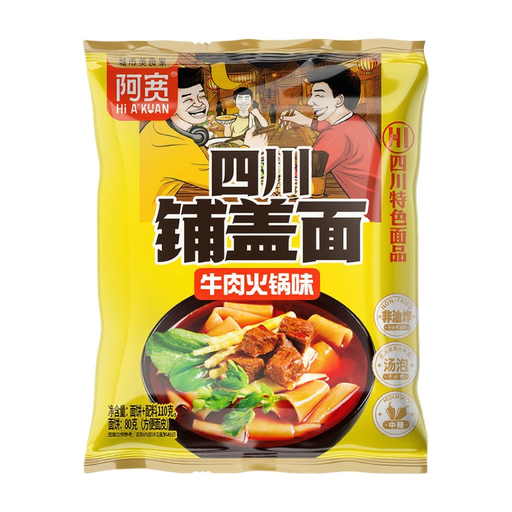
Why it suits this profile: The 110 g sachet is suitable for one meal and, according to the product information, requires around 600 ml of boiling water and 6 minutes of soaking covered. This makes it a straightforward choice for anyone trying wide Sichuan noodles for the first time.
The product description clearly states the serving size, ingredients and allergens: wheat, soya and milk.
Wide wheat noodles, beef hot pot flavour and preparation without using a hob.
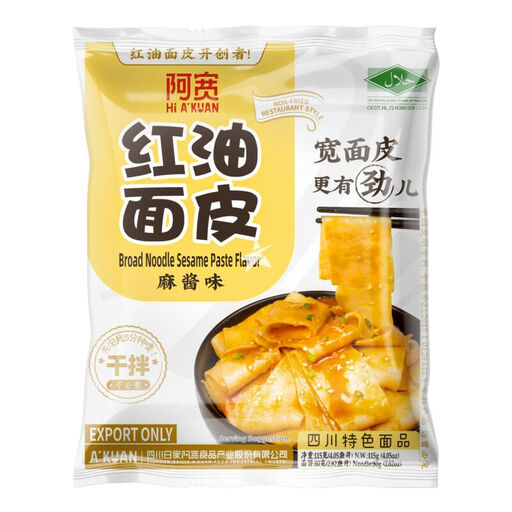
Why it suits this profile: According to the product information, this variety combines sesame paste with red chilli oil. It is therefore an interesting choice for anyone looking for more than just heat and who appreciates a rich, full-bodied sauce.
The sauce, vinegar and seasoning are packaged separately, so you can adjust the intensity and acidity to some extent.
Non-fried wheat noodles; 46% sesame paste in the sauce sachet according to the product information; 115 g serving.
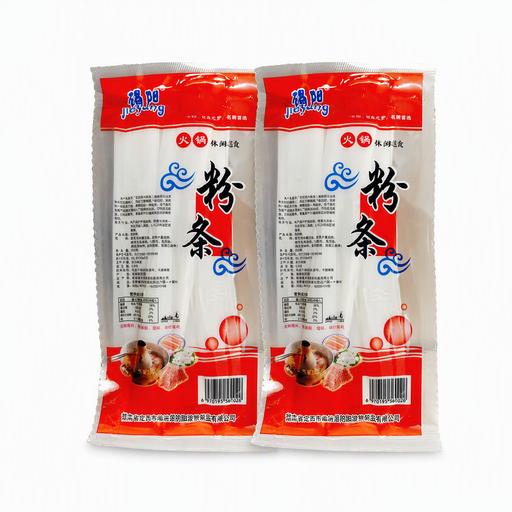
Why it suits this profile: The pack contains 800 g of noodles without any included sauce. This suits households that want to create their own hotpot, Malatang, hot and sour noodles or cold noodles.
You are not paying for a fixed sauce combination. The neutral base leaves room for your own broth, vegetables and toppings.
Potato starch as the main ingredient, no allergens listed and suitable for several preparation methods.
Always use genuinely boiling water when the packaging specifies it. Allow the noodles to soften fully, then drain them thoroughly before adding the sauce. This prevents the flavour from becoming diluted.
For extra texture, add spring onion, cucumber, coriander, an egg, tofu or fried vegetables. With a spicy Sichuan noodle variety, it is best to mix in some of the chilli oil first, then add more to taste. Most instant products are intended to be eaten immediately after preparation.
We have put together a complete, up-to-date list of products that fully meet these strict selection criteria and the applicable European safety regulations.
It depends on the type. Instant wide noodles are often soaked in boiling water for 4 to 6 minutes. Potato starch noodles are usually soaked first and then boiled for 3 to 5 minutes. Always check the instructions on the packaging and do not eat the noodles uncooked.
No. The spiciness mainly comes from the sauce or chilli oil sachet. Sesame paste, vinegar and seasoning can alter the flavour profile. With some products, you can add the oil separately. Ideally, check the ingredients and start with a smaller amount of sauce.
Store unopened products in a cool, dry place away from direct sunlight. After preparation, the product instructions recommend consuming the noodles immediately. An opened, mixed portion is therefore best not stored.
