
Livraison le jour même et le lendemain

Qualité garantie

Débloquez vos offres de bienvenue: Livraison GRATUITE | Jusqu'à -80 % | 30 jours d'essai gratuits à JoyPlus
Téléchargez l'application
As a Joybuy Product Recommendation Officer, I see a lot of products come and go. My job is to separate fact from marketing fiction and provide practical advice. Let's talk about wide noodles, specifically the spicy varieties from Sichuan cuisine. The search for the perfect, quick meal can end in disappointment: limp noodles, one-dimensional heat, and a texture that's nothing like what you were hoping for.
Before you add your next pack of spicy instant noodles to your cart, it's wise to be aware of a few common pitfalls:
To sidestep these pitfalls, it helps to pay attention to a few objective product features. These specifications will determine 90% of your eating experience.
The noodle's texture depends entirely on its base ingredient. This is perhaps the most important choice you'll make.
Sichuan cuisine is renowned for its complex flavours. Look for the following terms on the packaging to know what to expect:
Always check the preparation instructions. Some Chinese instant noodles only need to be soaked in boiling water for 5-6 minutes before you drain the water. Other varieties require a few minutes of boiling in a pot. The soaking method is ideal for the office or when you're short on time, while boiling can sometimes yield a slightly better texture.
Below are a few popular choices, matched to different preferences and situations. This selection is based on product specifications and how they align with user needs.
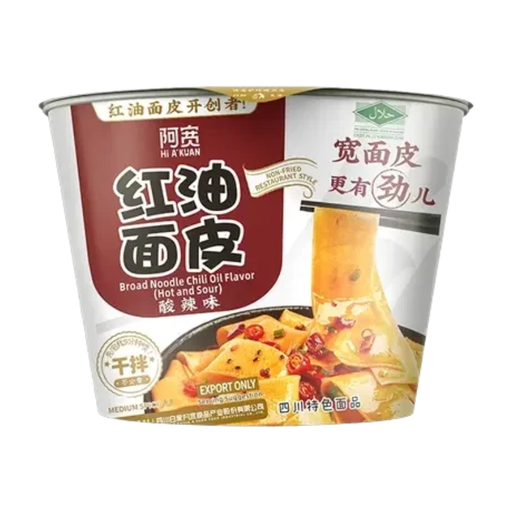
Why it's a match: Ideal for the office or a quick meal at home. You only need boiling water, no stove required. The bowl packaging also means less washing up.
The 'hot and sour' flavour is clearly specified, so you know exactly what kind of spicy and tangy kick you're getting, avoiding the vague 'spicy' trap.
Convenience: Bowl packaging, ready after soaking in hot water. Flavour Profile: A balanced combination of sour and spicy.
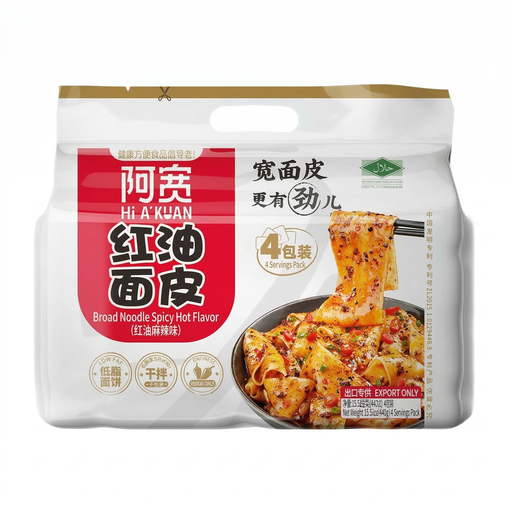
Why it's a match: For those seeking genuine, firm, and wide wheat noodles. A'Kuan is a benchmark for the texture and flavour of authentic Sichuan-style noodles.
This product bypasses the texture trap. The non-fried noodles are specially designed to remain wide and 'chewy', exactly as you'd expect.
Texture: Wide, flat wheat noodles with a deeply satisfying, chewy bite. Flavour: Rich, fragrant chili oil sauce that does justice to Sichuan cuisine.
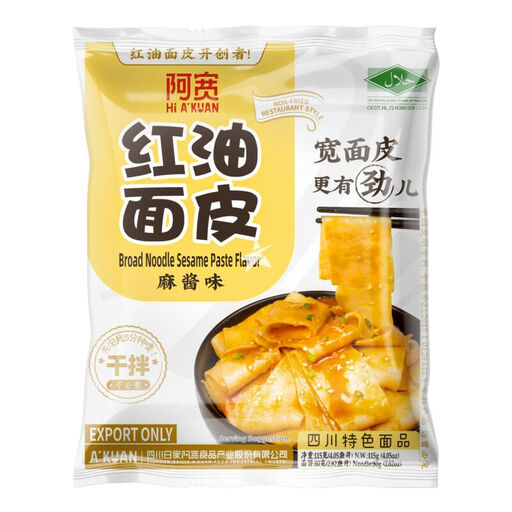
Why it's a match: Perfect for those who want to combine the heat of chili oil with a smooth, nutty flavour. The sesame paste creates a rich, creamy sauce that completely coats the noodles.
This product offers a clearly defined flavour profile that goes beyond just 'spicy'. The addition of noodles with sesame paste ensures a layered flavour experience.
Flavour Balance: The combination of spicy chili oil and creamy sesame paste is rich and complex. Texture: The sauce clings perfectly to the wide, non-fried noodles.
The world of Asian noodles is vast and diverse. If you're looking for more flavours or different types, you can browse our full assortment.
Fried instant noodles are rapidly dehydrated by being briefly fried in hot oil. This allows them to cook quickly (often in 3 minutes), but they contain more fat and can have a somewhat spongy texture. Non-fried noodles are air-dried or steamed. This process takes longer, resulting in a firmer, more elastic noodle that is closer to the texture of fresh noodles. They often require a slightly longer preparation time (5-6 minutes).
A simple bowl of instant noodles can easily be transformed into a full-fledged meal. For example, add some fresh ingredients:
Mala is a compound of two Chinese characters: má (麻), which means 'numbing' or 'tingling', and là (辣), which means 'spicy'. The flavour comes from the unique combination of Sichuan peppercorns, which impart a citrus-like aroma and a tingling, almost numbing sensation on the tongue and lips, and red chili peppers, which provide the burning heat. It is a complex and signature flavour that is central to Sichuan cuisine. If you're looking for an adventurous eating experience, mala noodles are an excellent choice.
