What should you look for when choosing?
First decide whether wholemeal bread is the main priority for your group. Then compare the texture, label and likely quantity eaten. A round loaf, rye bread and flatbread won’t necessarily serve the same purpose at the table.
| What to consider |
What to check |
Who is this important to? |
| Wholemeal and fibre |
Look for the wholemeal label and compare fibre content on the same basis, for example per 100 g. |
I want to replace white bread with bread where choosing wholemeal is the priority, not just a dark colour. This would be the main concern for around 42% of these consumers. |
| Texture |
Check whether the wholemeal bread is fine or coarse, and what type of bread you’ll be serving. |
The people I’m eating with prefer bread with a fine texture, but I still want to choose wholemeal. An easy transition would matter most to around 25% of these consumers. |
| Ingredients and allergens |
Read the ingredients and allergen information for the exact bread; check whether baker’s salt has been used if that’s relevant to your choice. |
Before putting bread out for everyone, I want to know which ingredients and allergens are listed for the product I’ve chosen. Label checks would be the top priority for around 17% of these consumers. |
| Size |
Choose a whole or half loaf, or the number of individual pieces, to suit the number of people and the rest of the food. |
Bread is just one part of our St Nicholas’ Eve spread, so I don’t want lots left over. Getting the quantity right would be the main concern for around 16% of these consumers. |
Brands to consider
These supermarket ranges give you a starting point for comparing wholemeal breads. Always check the label of each individual loaf to assess its ingredients.
Albert Heijn
Albert Heijn’s online range includes a variety of wholemeal breads, including loaves from several product lines.
- The range of bread types gives you options to compare when choosing a size for your group.
- Check the ingredients and nutritional information for the bread you actually choose.
Jumbo
Jumbo has an online wholemeal bread category. The product information for Jumbo Fijn Volkoren gives you a specific example to use when comparing labels.
- Jumbo lists 7,6 g of fibre per 100 g for Jumbo Fijn Volkoren.
- This value applies to that product only; don’t assume it applies to other breads or varieties.
Lidl
Lidl describes a bread made with extra-finely milled wholemeal flour as an option for anyone looking for a finer texture.
- This product description makes texture a useful point to consider alongside the wholemeal label.
- Check the ingredients, allergens and nutritional information for the individual loaf.
Bread options on Joybuy
These products offer different alternatives to white bread: a round wholemeal wheat loaf, rye bread and Lebanese wholemeal flatbreads. As well as the type of grain, consider the number of pieces and how you’d like to serve the bread; these options aren’t interchangeable.
 No image available
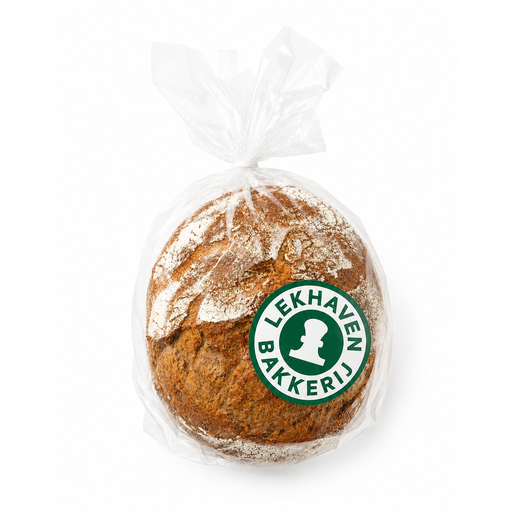
Lekhaven Bakkerij Whole Wheat Country Round Bread, 550 g
A round wholemeal wheat loaf for anyone who’d like to serve one loaf instead of white bread.
Check the preparation instructions on the packaging before serving. Compare fibre and allergen information using the current label.
View on Joybuy
 No image available
TastyBasics Rye Bread, 9 stuks
A rye bread option for anyone weighing up nine individual pieces against one whole round loaf.
Rye bread is a different type of bread from a standard wheat loaf. Check the ingredients, allergens and preparation instructions on the packaging.
View on Joybuy
 No image available
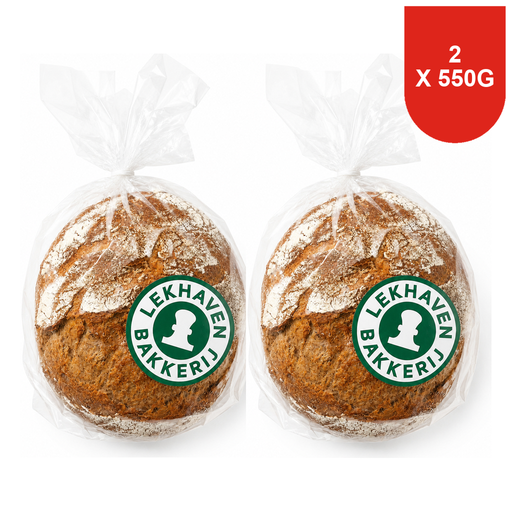
Lekhaven Bakkerij Whole Wheat Country Round Bread, 2 × 550 g
Two round wholemeal wheat loaves for a group that’s likely to get through that quantity.
Choose a pack size to suit the other dishes. Before serving, check the current preparation instructions and read the label for fibre and allergen information.
View on Joybuy
 No image available
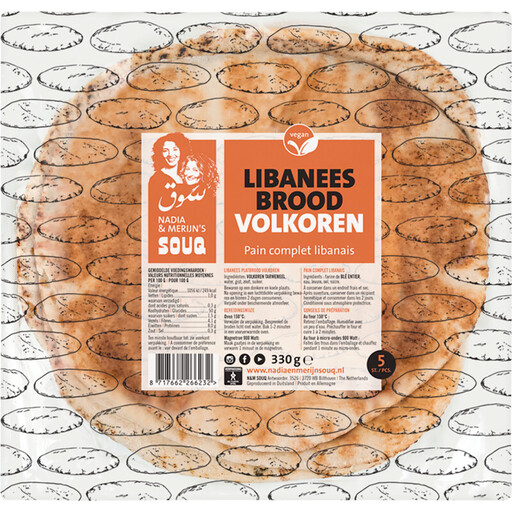
Souq Libanees volkoren platbrood, 6 stuks
Six wholemeal flatbreads for anyone who’d rather serve individual breads than slices from a round loaf.
The shape lends itself to a different way of serving bread than standard sliced bread. Check the current packaging for ingredients and allergens.
View on Joybuy
Frequently asked questions
Is brown or multigrain bread automatically wholemeal?
No. Colour and the name ‘multigrain’ aren’t enough to tell you. The Netherlands Nutrition Centre explains that multigrain bread is made with several types of grain; check separately whether the bread you’ve chosen is labelled wholemeal and what the ingredients list says.
How do I compare the fibre in wholemeal bread?
Compare the nutritional values of the breads on the same basis, preferably per 100 g. The Netherlands Nutrition Centre gives 3,4 g of fibre in a 50 g slice of wholemeal bread cut at home as an example. You’ll find the value and serving size for the bread you buy on its packaging.
Does all wholemeal bread contain iodine?
Don’t assume it does without checking the product. According to the Netherlands Nutrition Centre, bread is an important source of iodine in the Netherlands because special baker’s salt containing iodine is used. For an individual packaged loaf, check the ingredients, or ask which salt has been used for loose bread.
What should I check if someone I’m eating with needs to avoid allergens?
Read the allergen information for the exact bread, not just its name. Ingredients and possible traces can vary from product to product, even between breads that are both sold as wholemeal.
How do I choose a loaf size for St Nicholas’ Eve?
Choose the number of loaves or pieces to suit your group and the other food you’ll be serving. If bread is only a small part of the meal, a half loaf or a pack of individual pieces may be a better fit than two whole loaves.


