What should you look for when choosing?
Start by thinking about why you want an alternative to white bread. Then choose a shape to suit the dish and check the ingredients for everyone who’ll be eating.
| What to consider |
What to check when buying |
Who it matters to |
| Wholemeal and fibre |
Look for the label ‘wholemeal’ and compare fibre per 100 g. Don’t rely on a dark colour or the word ‘multigrain’ alone. |
I want to replace white bread because fibre is a priority when choosing what to eat. An estimated 50% of consumers who make a fibre-focused swap put this requirement first. |
| Shape and quantity |
Choose slices, rolls or flatbread to suit the dish; check the number of pieces, pack size and storage advice. |
I want bread to share with dips, but prefer to serve slices with soup. For around 25% of consumers, the practical shape of the bread is the deciding factor. |
| Ingredients |
Read the allergen information and, if needed, compare salt and carbohydrates per 100 g. If you’re interested in iodine, check whether iodised salt or baker’s salt is listed. |
If someone at the table needs to watch what they eat, I want to know exactly what’s in this bread. An estimated 25% of consumers put this type of ingredient requirement first. |
Bread options at Joybuy
These options range from wholemeal flatbread for dips to rye bread, crispbread and round loaves for the table. The shape and packaging can help you choose what to serve; always check the information for each individual product for fibre and allergens.
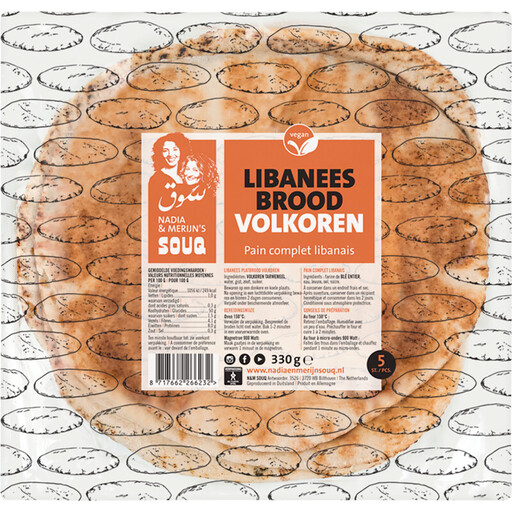 Image unavailable
Souq Lebanese Bread Whole Wheat, pack of 6
A wholemeal flatbread to share with dips. If anyone at the table has dietary requirements, check the ingredients and allergens on the packaging.
View at Joybuy
 Image unavailable
TastyBasics Rye Bread, pack of 9
A rye bread option if you’d like to serve individual pieces at the table; the name doesn’t indicate that it’s specifically suited to dipping. Check the latest ingredients and allergen information.
View at Joybuy
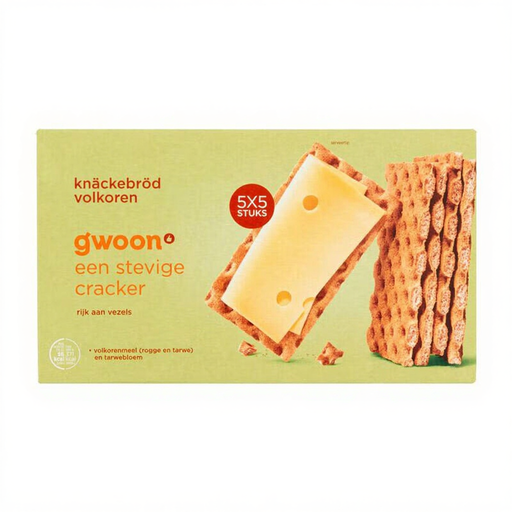 Image unavailable
g'woon Wholemeal Crispbread, 375 g
A crisp wholemeal option if you’d rather serve bread with toppings than tear up flatbread. Compare the nutritional information and check the allergens on the packaging.
View at Joybuy
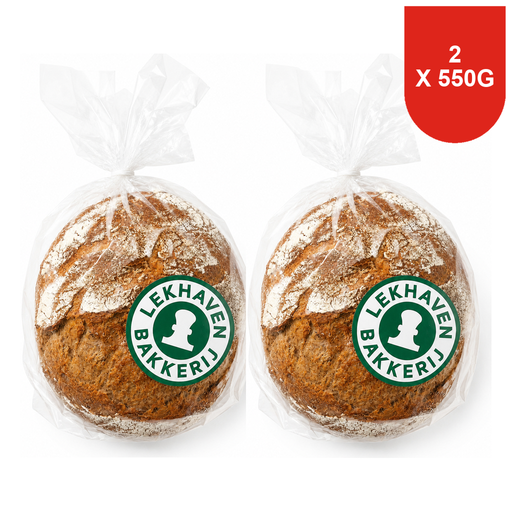 Image unavailable
Lekhaven Bakkerij Whole Wheat Country Round Bread, 2 × 550 g
Two round wholemeal loaves to slice and share at a meal. Check the packaging for preparation instructions and the basis used for the nutritional values before comparing them with other breads.
View at Joybuy
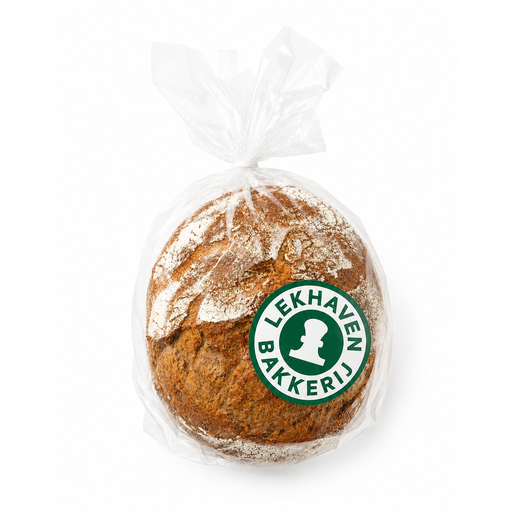 Image unavailable
Lekhaven Bakkerij Whole Wheat Country Round Bread, 550 g
A round wholemeal loaf to slice and serve with a meal. Check the preparation instructions on the packaging, and only compare nutritional values if it’s clear how they’ve been measured.
View at Joybuy
Frequently asked questions
When should I choose wholemeal bread instead of white bread?
Choose wholemeal bread if fibre is the main reason you’re switching. The Voedingscentrum recommends replacing white bread with wholemeal or brown bread as much as possible; compare the nutritional values of the specific products when you buy them.
Which bread goes well with hummus, mezze or soup?
Flatbread is a practical choice for sharing and dipping, while slices work well with soup, toast or toppings. Check separately whether the bread you’ve chosen is wholemeal and which allergens it contains.
Does bread always contain iodised baker’s salt?
No. According to the Voedingscentrum, bakers aren’t required to use baker’s salt. For packaged bread, check the ingredients for iodised salt or baker’s salt; if the bread is unpackaged, ask the baker.
How can I check which allergens are in bread?
For pre-packed bread, read the allergen information on the label. If the bread is unpackaged, ask for this information before you buy it; the Netherlands Food and Consumer Product Safety Authority says allergen information must also be available for unpackaged food.
Can I keep wholemeal bread for another meal?
Follow the storage and freezing advice for the specific bread. Albert Heijn and PLUS say their respective wholemeal loaves can be frozen at home; check the latest packaging for the instructions that apply to your bread.


