For the office biscuit tin, look for toast with wholemeal ingredients and a fibre value per 100 g that you can check. Then decide whether the size and packaging suit the way it will be used at work. If it’s for sharing, always check the allergens for the variant you choose.
Who is this for?
Office buyers looking for fibre
You want to check whether the toast in your stock cupboard contains wholemeal ingredients and how much fibre it provides per 100 g. This lets you compare products on a like-for-like basis, even when the pieces of toast are different sizes.
People managing shared snacks
You’re buying for colleagues with different preferences. In that case, the ingredients, allergen information and how much you need to open at once matter more than the ‘wholemeal’ label alone.
Buyers serving small topped toasts
You’re looking for thin toast to serve with small portions of toppings or dip, rather than a larger cracker. So check the size and the number of pieces in each inner pack before choosing an alternative.
What should you look for?
First, decide whether you want small Melba toast or would also consider a cracker-style alternative. Compare the labels within your chosen product type, then think about how you’ll store and serve it.
| What to consider |
What to check before buying |
Who is this most important for? |
| Wholemeal ingredients and fibre |
Check the ingredients list and compare fibre per 100 g across similar product types. |
If fibre is my top priority, I don’t want to rely on the product name alone. An estimated 50% of consumers prioritise wholemeal ingredients and fibre content. |
| Allergens |
Read the allergen information for the variant you’ve chosen, distinguishing between ingredients and possible traces. |
When filling a shared biscuit tin, I want to know whether colleagues can eat the toast before putting it out. For an estimated 30% of consumers, suitability for people with different allergies is their main concern. |
| Portions and stock |
Check how many inner packs there are and follow the storage instructions on the label. |
If the stock won’t be used all at once, I don’t want to open more toast than necessary. Portions and practical storage matter most to an estimated 20% of consumers. |
Common mistakes
-
Assuming wholemeal means suitable for everyone
‘Wholemeal’ says nothing about whether a product is suitable for someone with an allergy. The product information for the toast varieties discussed lists wheat and gluten; other ingredients and possible traces vary by product.
Check the current ingredients and allergen information for the exact variant you’re buying, especially if your workplace has rules about allergens.
-
Comparing fibre per piece with fibre per 100 g
Pieces of toast can vary in weight, so a value per piece and a value per 100 g aren’t directly comparable.
First compare the nutrition information per 100 g for similar toast products, then consider how much you’ll serve at a time.
-
Assuming that a visible product page means the item is in stock
The Albert Heijn and Jumbo product pages for Jos Poell Wholemeal Toast state that this variant is no longer part of the ranges they list.
Check availability with the retailer you plan to buy from, and check the label again if you choose an alternative.
Brands and retailers to consider
Van der Meulen
The wholemeal Melba toast is a thin toast for small portions of toppings or dip.
- Albert Heijn lists six packs of six pieces for the 120 g pack; Jumbo lists 9,7 g of fibre per 100 g.
- The product information lists wheat, gluten and sesame, among other ingredients. Check the current label before adding this variant to a shared stock cupboard.
Jos Poell
Wholemeal Toast is another small toast option to compare for its nutrition information and size.
- The product information lists 10 g of fibre per 100 g.
- The Albert Heijn and Jumbo product pages consulted don’t show this variant as regularly available online. Check the allergen information on the pack too.
Albert Heijn
This retailer’s toast range includes several product types, including wholemeal Melba toast.
- The range makes it easy to compare small pieces of toast with other varieties.
- Ingredients, allergens and nutritional values vary by product. Albert Heijn advises checking the packaging, as product information can change.
A related product on Joybuy
This Cracotte is a cracker-style alternative for a crunchy office snack. If you’re specifically looking for small, thin wholemeal Melba toast, compare the size first.
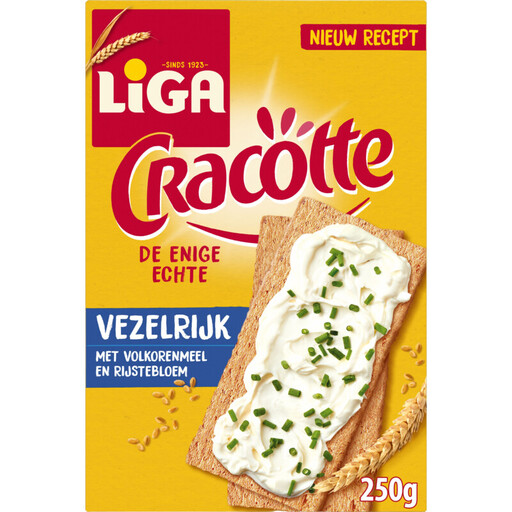 Image unavailable
Liga Cracotte High Fiber 250 g
An option if you want to serve a cracker-style product with toppings instead of small Melba toast.
Compare the fibre content per 100 g on the packaging. The available ingredient and allergen listings contradict each other, so check the current pack before offering this product to colleagues with allergies.
View on Joybuy
Frequently asked questions
How can I identify wholemeal toast if I’m keeping an eye on fibre?
Check the wholemeal ingredients and compare the fibre per 100 g on the label. Jumbo lists 9,7 g of fibre per 100 g for Van der Meulen Melba toast wholemeal; the product information for Jos Poell Wholemeal Toast lists 10 g per 100 g. These figures apply to these specific variants.
Is wholemeal toast suitable for everyone in the office?
No. The ‘wholemeal’ label isn’t an allergen declaration. The product information for the toast varieties discussed lists wheat and gluten; check the other ingredients and possible traces on each pack before buying toast to share.
How should I store toast for the office biscuit tin?
Follow the storage instructions on the packaging and don’t open more than you need. For Van der Meulen Melba toast wholemeal, Albert Heijn lists six separate packs of six pieces; check how another variant is packaged yourself.
Do rules about baker’s salt mean that all toast contains iodine?
No. Rules about baker’s salt don’t tell you which ingredients a particular toast product contains. If it matters for your purchase, check the ingredients list on the pack you’ve chosen.


