Choose thin wholemeal melba toast for small, crisp lunch bites with toppings; choose wholemeal bread for toasties if the canteen serves toasties or filled sandwiches. Crispbread and crackers offer a different crunchy base, but they are not the same as melba toast. For each type, compare the serving size, fibre and salt per 100 g, as well as the allergens in both the product and its toppings.
Who is this choice relevant to?
Lunch planners keeping an eye on fibre
They want to know whether a toast is genuinely wholemeal and compare the fibre per 100 g with the amount in a typical serving. According to the Netherlands Nutrition Centre, toast and crackers can only be labelled ‘wholemeal’ if they are made entirely from wholemeal flour.
Canteen managers responsible for allergen information
They need to be able to check which allergens are present in each product and topping, and ensure that this information is available when food is served. The Netherlands Food and Consumer Product Safety Authority explains which allergens must be listed on labels.
Planners of sandwiches and toasties
Filled sandwiches and toasties call for slices of bread rather than small, individual toasts. Albert Heijn lists toasties and club sandwiches as uses for its wholemeal bread for toasties.
What should you look for when choosing?
First decide whether the canteen will serve small toasts, a substantial crunchy base or bread for toasties. Then compare the packaging and nutritional information for options suited to that lunch occasion.
Wholemeal melba toast
Best for: small servings with toppings or as a crunchy side.
Consider: an individual toast does not replace a slice of bread; also check the salt content and allergens in your chosen option.
Crispbread or crackers
Best for: toppings on a firm or thin crunchy base, when the canteen is not specifically looking for melba toast.
Consider: size and ingredients vary by product; pay particular attention to the allergen information for varieties containing seeds.
Wholemeal bread for toasties
Best for: toasties and filled sandwiches that need slices of soft bread.
Consider: soft bread needs to be stored and prepared differently from dry toast.
| What to consider |
What to check when buying |
Who it matters to |
| Wholemeal and fibre |
Check the ‘wholemeal’ label, the ingredients and the fibre per 100 g and per serving. According to the Netherlands Nutrition Centre, wholemeal toast or crackers must be made entirely from wholemeal flour. |
If fibre is my main priority, I want to know what I’m serving per portion eaten, not just what the table says per 100 g. Around 46% of consumers are said to choose wholemeal products and fibre as their main consideration. |
| Shape and serving size |
Choose the right size for topped toast, a crunchy lunch base or toasties; also check the pack size and storage instructions. |
For a toastie, I need slices of bread, whereas I can serve individual toasts as small bites. Around 36% of consumers are said to prioritise suitability for the planned lunch occasion. |
| Allergens and salt |
Read the latest allergen information, including warnings about possible traces, and compare the salt per 100 g in products intended for the same use. |
When I serve different toppings, I need to be able to check the allergens in both the base and the toppings; I also want to compare the salt content. For around 18% of consumers, this check is said to be their top priority. |
Common mistakes
-
Assuming brown toast is wholemeal
Colour and seeds do not tell you whether all the flour used is wholemeal. According to the Netherlands Nutrition Centre, toast and crackers must be made entirely from wholemeal flour to be called ‘wholemeal’.
Use the wholemeal label as your starting point, then check the ingredients and nutritional information.
-
Confusing vegan with allergen-free
A vegan label says nothing, in itself, about gluten, sesame or soya. The toast varieties reviewed show that these ingredients and allergens need to be considered separately.
Treat dietary requirements and allergens as separate considerations, and check the latest packaging for each variety.
-
Comparing fibre alone
The salt figures shown vary by product: Jumbo lists 1,9 g of salt per 100 g for Van der Meulen Melba Volkoren Toast; the product information for Jos Poell Volkoren Toast and AH wholemeal bread for toasties lists 1,64 g and 0,9 g per 100 g respectively. The products and serving sizes are not the same.
First compare fibre and salt per 100 g, then consider the serving size and the toppings you choose.
-
Choosing a type of toast before deciding on the menu
Small, crunchy toasts work differently with toppings from slices of bread for a sandwich or toastie.
Decide what the canteen will serve, then choose the right size and storage method.
Brands and product ranges to consider
These examples show the differences between toast, bread and crispbread. The features mentioned apply to the specific varieties described, not necessarily to every product from each brand.
Van der Meulen
Melba Toast Volkoren is a thin toast for small servings with toppings; Albert Heijn and Jumbo list it in a 120 g pack.
- Jumbo lists 9,7 g of fibre per 100 g for this variety.
- Jumbo also lists 1,9 g of salt per 100 g. When serving it, check the information for allergens including wheat, barley, rye, sesame and soya.
Jos Poell
Volkoren Toast is a crunchy toast option; Albert Heijn describes the listed variety as vegan.
- The variety described lists 10 g of fibre per 100 g.
- Vegan does not mean gluten-free. Check the latest allergen information and availability; Jumbo no longer lists this variety in its online range.
AH
AH Extra lang lekker tostibrood volkoren is soft bread for toasties and club sandwiches, not small toast.
- The product information lists 7,2 g of fibre and 0,9 g of salt per 100 g, and says it can be frozen.
- The variety described contains gluten, soya and barley, and may contain milk and sesame; check the packaging for the latest information.
Bolletje
Oerknäck Waldkorn is a crispbread option for anyone looking for a crunchy base rather than traditional toast.
- Bolletje describes this variety as 100% wholemeal and lists ingredients including sunflower seeds, sesame seeds and linseed.
- Check the allergen information: the ingredients described include cereals containing gluten and sesame.
Goud Gebakken
ALDI lists wholemeal crispbread under this brand as an alternative to toast for a lunch with toppings.
- ALDI lists 25 pieces in the pack described, with a total weight of 375 g.
- Read the ingredients and allergen information on the latest packaging before serving this variety in a canteen.
Crunchy lunch options at Joybuy
These Bolletje products are crispbread and crackers for a lunch with toppings. They offer a crunchy base, but they are not melba toast or soft bread for toasties; choose the format that suits the canteen menu.
 No image available
Bolletje Whole Grain Crispbread 265 g
A crispbread option for lunch toppings if you’re looking for a crunchy base rather than thin toast. Pack size: 265 g.
View at Joybuy
 No image available
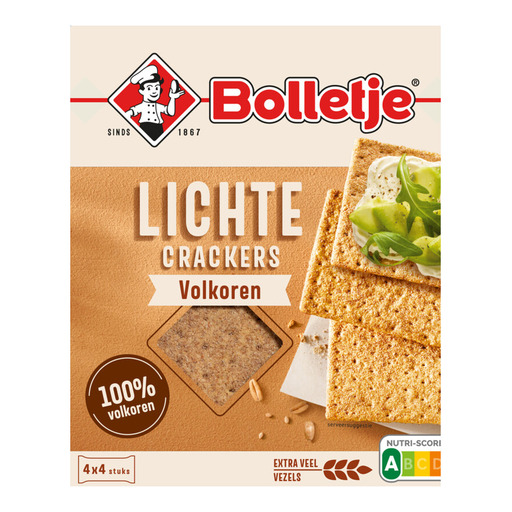
Bolletje Light Whole Grain Crackers 190 g
Crackers for a lunch with toppings when you don’t need soft bread for toasties. Pack size: 190 g.
View at Joybuy
Frequently asked questions
Does wholemeal toast have to be made entirely from wholemeal flour?
Yes. According to the Netherlands Nutrition Centre, toast and crackers can only be called ‘wholemeal’ if they are made entirely from wholemeal flour. Don’t assume a product has the same ingredients just because it looks brown or contains seeds.
Is iodised baker’s salt compulsory in bread?
No. The Netherlands Nutrition Centre says that baker’s salt is not compulsory when baking bread. To find out which salt is used in a particular toast or bread variety, read the ingredients list; don’t assume that information for one product applies to other varieties.
How can I account for allergens in toast and toppings in the canteen?
Check the allergen information for the toast and each type of topping, and make sure it is accessible when food is served. The Netherlands Food and Consumer Product Safety Authority explains the mandatory allergen information on labels for pre-packed foods. For food prepared with toppings or sold unpackaged, you’ll need a suitable way to provide the information when serving it.


