
Campers keeping an eye on fibre
You’re looking for a crunchy base for a simple lunch or snack. Don’t rely on the colour or name on the packaging alone: check that it’s labelled wholemeal and look at the fibre per 100 g.


Choose small, topped pieces of toast that are explicitly labelled wholemeal; according to the Netherlands Nutrition Centre, wholemeal toast must be made entirely from wholemeal flour. For camping, also compare fibre and salt per 100 g, the packaging and the allergens. Crispbread is a different type of crunchy product, while soft wholemeal bread is a better choice if you want to make sandwiches and can store it somewhere dry. With all three, perishable toppings need extra consideration.
You’re looking for a crunchy base for a simple lunch or snack. Don’t rely on the colour or name on the packaging alone: check that it’s labelled wholemeal and look at the fibre per 100 g.
You want to pack a dry base while also thinking about what you’ll put on it. The Netherlands Nutrition Centre recommends choosing foods with a longer shelf life when camping.
You want to check allergens and salt per 100 g before buying, especially if you’ll be adding toppings. Be sure to read the information for the exact variant you’ve chosen.
Best for: small, crunchy bites that you want to top individually.
Consider: check the allergens and salt content of each product, even when you choose wholemeal.
Best for: anyone who’d rather pack a larger crunchy base for a meal.
Consider: crispbread isn’t Melba toast, so check that the size and packaging suit your meals.
Best for: sandwiches or toasties instead of crunchy bites.
Consider: follow the storage instructions and protect the bread from being squashed.
| What to consider | What to check when buying | Who it matters to |
|---|---|---|
| Wholemeal and fibre | Look for the wholemeal label and compare fibre on the same basis, per 100 g. | I want the crunchy base to be genuinely wholemeal and want to know how much fibre it contains. This combination is a priority for around 42% of consumers. |
| Storage and portions | Check the best-before date, storage instructions and how much you plan to use after opening. | When camping, I don’t want to open more than I can use, and I also need to be able to store the toppings. For around 33% of consumers, this practical planning is the biggest consideration. |
| Ingredients | Read the allergens and ingredients list; compare salt per 100 g and, if needed, check whether it contains iodised salt. | If ingredients determine my choice, I want to know what’s in the toast before I set off. Around 25% of consumers make this check their priority. |
Colour and visible grains aren’t the same as a wholemeal label. According to the Netherlands Nutrition Centre, wholemeal toast must be made entirely from wholemeal flour.
Look for the wholemeal label, read the ingredients and then compare fibre per 100 g.
A dry base and perishable toppings have different storage requirements when you’re camping.
Choose toppings that suit your cooling facilities. The Netherlands Nutrition Centre recommends buying perishable foods shortly before you need them and in small quantities.
Wholemeal tells you nothing about whether a product is suitable for someone with an allergy or how much salt the meal contains.
Read the current label and compare salt per 100 g; include the toppings in that comparison too.
According to the Dutch bakery industry organisation NBC, the use of iodised baker’s salt in the Netherlands is agreed through a covenant, but it isn’t required by law.
If iodised salt matters to your choice, check the ingredients on the specific pack.
Melba Toast Wholemeal is an option for small, topped bites.
Wholemeal Toast is a toast option in a 90 g pack.
Wholemeal Crispbread is a different type of crunchy product from Melba toast.
ALDI sells wholemeal crispbread under this brand as a crunchy bread option.
Half a loaf of Wholemeal Toastie Bread is a good choice if you want soft bread for sandwiches or toasties when camping.
These crackers are options for anyone who wants to pack a crunchy base instead of Melba toast for camping. Check the packaging to make sure the wholemeal label, nutrition information and ingredients match what you’re looking for.
 Image unavailable
An option if you’d rather pack crackers than small pieces of toast. The pack contains 235 g; check the best-before date, ingredients and allergens on the label before adding it to your camping supplies.
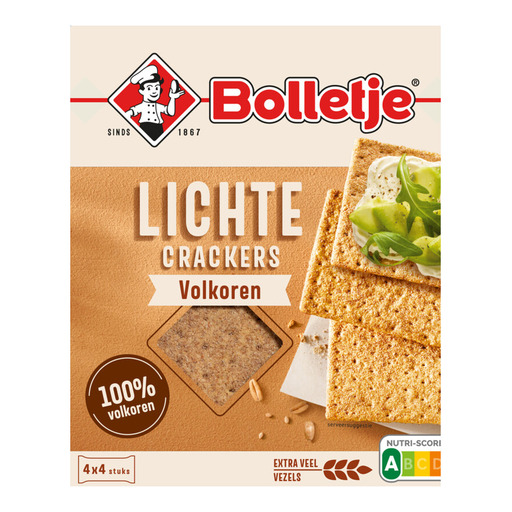 Image unavailable
An option if you’re looking for crackers to use as a crunchy base for toppings. The pack contains 190 g; check the Dutch wholemeal labelling, ingredients, allergens and best-before date on the packaging before making your choice.
Look for the wholemeal label on the toast you choose. According to the Netherlands Nutrition Centre, wholemeal toast must be made entirely from wholemeal flour. Also read the ingredients and compare fibre per 100 g if it matters to your choice.
Dry toast can be a practical base, but consider the toppings separately. The Netherlands Nutrition Centre recommends choosing foods with a longer shelf life when camping, and buying perishable foods shortly before you need them and in small quantities.
Read the allergen information for the specific variant, as ingredients vary from one product to another. Check all the declarations that matter to your household; the word wholemeal in the product name doesn’t replace this check.
No, don’t assume it does. According to the Dutch bakery industry organisation NBC, the use of iodised baker’s salt is agreed through a covenant, but it isn’t required by law. Check the ingredients list for the specific product.