
Working from home and keeping an eye on fibre
You’re looking for a bread-based lunch with a recognisable wholemeal base and want to compare the fibre content of the breads available.


Wholemeal tiger bread could be a good choice for your work-from-home lunch if you want wholemeal bread and like the distinctive tiger crust. Check that it is labelled wholemeal and compare the fibre per 100 g. Then choose between ready-to-eat bread and a part-baked loaf, depending on how long your break is. For the specific loaf, check the ingredients, allergens and type of salt too.
You’re looking for a bread-based lunch with a recognisable wholemeal base and want to compare the fibre content of the breads available.
You want to know whether you can make a sandwich straight away or need to set aside time to bake the bread. If you’re planning lunches for several days at home, storage instructions may also affect your choice.
You check the ingredients, allergen information, nutritional values and stated type of salt for each loaf before making your choice.
Start by deciding whether you specifically want wholemeal tiger bread. Then compare the nutritional information and choose a preparation method that fits your lunch break.
| What to consider | What to check when buying | Who is this important to? |
|---|---|---|
| Wholemeal base and fibre | Look for an explicit wholemeal label and compare fibre per 100 g, rather than judging by the colour of the crust or the size of a slice. | I mainly want to know whether my lunch bread is wholemeal and how much fibre it contains per 100 g. Fibre is the top priority for around 50% of consumers. |
| Preparing your lunch | Check whether the bread is ready to eat or needs baking. If you’re buying it for several lunches, check the storage instructions too. | During a short work break, I want to be able to eat straight away; if I want warm bread, I can plan time for the oven. Around 30% of consumers place the greatest importance on convenience at lunchtime. |
| Label and type of salt | Read the current ingredients and allergen information. Compare salt on the same basis and check whether it lists baker’s salt or iodised salt. | If the ingredients or type of salt matter to me, I want to know what’s in this particular loaf. For around 20% of consumers, checking the label is the main priority. |
Albert Heijn’s product information lists 6,7 g of fibre and 0,9 g of salt per 100 g for AH Tijger volkoren heel. PLUS lists 6,4 g of fibre and 0,97 g of salt per 100 g for Korenlanders Boeren tijger volkoren 1/2, with instructions to bake for 10 minutes at 200 °C. These figures help you compare products per 100 g, but they don’t determine on their own which bread is right for your lunch.
The crust doesn’t tell you what kind of flour the bread is made from. According to the Voedingscentrum, wholemeal bread generally contains more fibre than white bread. When choosing between specific loaves, it’s still important to check the nutritional information for each product.
Look for a wholemeal label, read the ingredients and compare fibre per 100 g.
A part-baked loaf needs preparing, which may not fit into every work break. PLUS instructs customers to bake its Korenlanders Boeren tijger volkoren 1/2 for 10 minutes at 200 °C.
Choose ready-to-eat bread if you want to have lunch straight away, or plan in the baking time if you want warm bread.
The breads reviewed differ in their ingredients and salt content. Albert Heijn lists iodised salt for AH Tijger volkoren heel, while PLUS lists baker’s salt for its Korenlanders version. Both product descriptions mention cereals containing gluten.
Check the current packaging of the bread you buy for its ingredients, allergens, salt per 100 g and type of salt used.
These examples show why the preparation method and label for each individual loaf matter more than the brand name alone.
AH Tijger volkoren heel is a ready-to-eat whole loaf, ideal for lunch when you don’t have time to bake.
Korenlanders Boeren tijger volkoren 1/2 is a part-baked loaf for a lunch when you can set aside time to use the oven.
Lidl lists a Tijgervolkoren heel vloerbrood as a wholemeal tiger bread option.
Dirk lists Vloerbrood volkoren heel as another wholemeal bread option if a tiger crust isn’t a must for you.
These products offer other types of bread for a work-from-home lunch, including flatbread and rye bread. They aren’t tiger breads: choose them if the type of wholemeal bread matters more to you than the tiger crust, and check the label for each option.
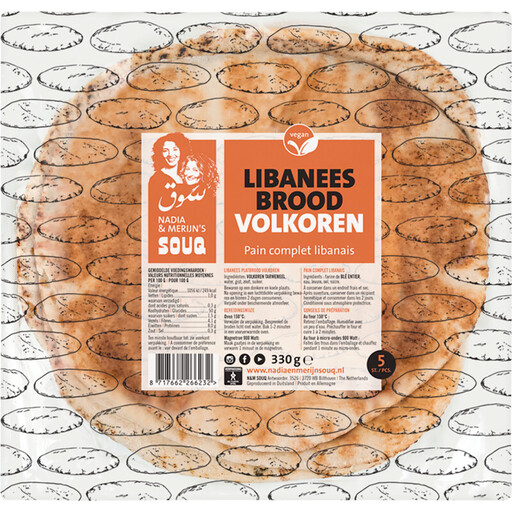 Image unavailable
A flatbread alternative for a short break when you don’t need tiger bread. The product information says it can be eaten straight away; check the current packaging for ingredients, allergens and type of salt.
 Image unavailable
A rye bread alternative if you want to plan portions for several work-from-home lunches. This isn’t tiger bread; check the current packaging for ingredients, allergens and type of salt before choosing.
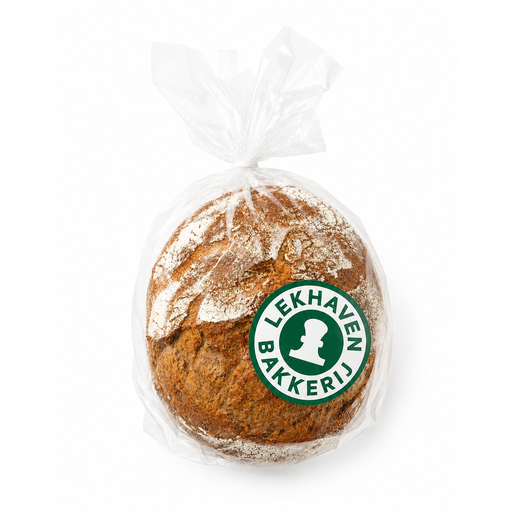 Image unavailable
A round wholemeal loaf if you can prepare lunch in advance rather than making sandwiches straight away. This bread needs to be defrosted and baked; follow the instructions on the packaging to prepare it correctly.
 Image unavailable
A rye bread alternative if a tiger crust isn’t essential for your lunch. Use the nutritional information on the packaging to compare fibre and salt on the same basis, and check the allergens and type of salt too.
No, you can’t tell the fibre content from the tiger crust. Look for an explicit wholemeal label and compare fibre per 100 g. According to the Voedingscentrum, wholemeal bread generally contains more fibre than white bread.
No, check the ingredients for the specific loaf to see whether it contains baker’s salt or iodised salt. Albert Heijn lists iodised salt for AH Tijger volkoren heel; PLUS lists baker’s salt for Korenlanders Boeren tijger volkoren 1/2.
No, the versions mentioned from Albert Heijn and PLUS contain cereals with gluten, including wheat. Check the current allergen information on the packaging every time you buy.
That depends on the storage instructions for the loaf you buy. Albert Heijn says AH Tijger volkoren heel can be frozen at home on the day you buy it; follow the packaging instructions for storing and defrosting it.
Check the packaging of the loaf you actually buy for the latest ingredients, nutritional values and allergen information. Albert Heijn and PLUS state that this product information may change.