
If you look for wholemeal bread and fibre
A dark colour or rustic appearance isn’t enough for you. You look for the ‘wholemeal’ label first, then compare the fibre and salt in the portion you plan to eat.


If having a wholemeal base for your late-night bread snack is important to you, choose bread labelled ‘wholemeal’; according to the Voedingscentrum, this is made with 100% wholemeal flour. If you also want the flavour and texture of sourdough, look specifically for both qualities. Sourdough alone doesn’t tell you whether bread is wholemeal, so compare the nutritional information, allergens and preparation instructions for the bread you want to buy.
A dark colour or rustic appearance isn’t enough for you. You look for the ‘wholemeal’ label first, then compare the fibre and salt in the portion you plan to eat.
You choose your late-night snack partly for its flavour, crust and texture. Check separately whether a sourdough loaf is also wholemeal: these are two different product characteristics.
If you need to avoid wheat, gluten or other allergens, the ingredients and allergen information take priority over the type of bread you want. Sourdough doesn’t make ordinary wheat bread gluten-free.
First decide whether the wholemeal base, sourdough flavour, ready-to-eat convenience or ingredients matter most for your late-night snack. Then compare breads using the same nutritional basis, such as per 100 g, and read the preparation instructions.
| What to consider | What to check when buying | Who it matters to |
|---|---|---|
| Wholemeal and fibre | Look for ‘wholemeal’ in the product description and compare fibre per 100 g. | If I choose bread for its wholemeal base, I don’t want to have to rely on its brown colour. For around 40% of consumers, wholemeal and fibre come first. |
| Sourdough flavour and texture | Check whether the product is described as sourdough and whether the bread is fresh or ready to bake. | For my late-night snack, I’m mainly looking for the flavour and texture I expect from sourdough; I check whether it’s wholemeal separately. Around 30% of consumers put flavour and texture first. |
| Availability and preparation | Check whether the bread is ready to eat, needs baking or is only available in store. | If I want to eat late, the bread needs to suit the time and preparation I have available. Convenience comes first for around 20% of consumers. |
| Ingredients and allergens | Read the full allergen information. If you need to follow a gluten-free diet, check for a gluten-free label and separately check for any other allergens. | If I need to avoid certain ingredients, the label determines whether this bread is suitable for me. For around 10% of consumers, this is their main consideration when buying. |
A dark colour, a multigrain name or a sourdough label doesn’t confirm that the bread is entirely wholemeal. The Voedingscentrum also distinguishes between wholemeal bread and brown bread, which combines wholemeal flour and white flour.
Look for the ‘wholemeal’ label and read the ingredients list before choosing based on the crust, flavour or seeds.
Ordinary wholemeal wheat sourdough contains wheat. The sourdough preparation doesn’t make it suitable for someone who needs to avoid gluten.
If you need to follow a gluten-free diet, check for a clear gluten-free label and read the ingredients and any cross-contamination warnings too. If you have a wheat allergy, check specifically for wheat.
Ingredients and nutritional values can vary between different breads. How you can buy them also varies: Albert Heijn and Lidl state that the sourdough breads mentioned are only available in store.
When buying, check the label, preparation instructions and current availability of the exact variety you want to eat.
The Voedingscentrum names bread as an important source of iodine, but that doesn’t tell you which salt a particular loaf contains. For AH Liefde & Passie Nederlands desem volkoren, Albert Heijn specifically lists iodised salt.
If you want to know about a particular loaf, check its ingredients.
These brands offer different options for wholemeal bread, sourdough or both. Check each product individually: a wholemeal loaf in a range isn’t automatically sourdough too.
AH Liefde & Passie Nederlands desem volkoren is described as wholemeal wheat sourdough bread.
Jumbo describes a range of sourdough breads, including a wholemeal sourdough variety with pumpkin.
Lidl describes its Rustiek volkoren desembrood as wholemeal wheat sourdough bread.
ALDI offers wholemeal breads as an alternative if wholemeal matters more to you than sourdough flavour.
Under the Korenlanders brand, PLUS offers both a small sourdough loaf with wholemeal poppy seeds and a wholemeal baguette made with sourdough.
Dirk lists wholemeal and sourdough breads in its bread category, including a Batard volkoren.
These options suit two different ways of choosing a late-night bread snack: rye or wheat bread without a focus on sourdough, and round bread whose product name refers to wholemeal and whose ingredients mention sourdough. For the latter, check the packaging to see how much of the flour is wholemeal; the words ‘Whole Wheat’ alone don’t settle the question.
 No image available
A rye bread option if sourdough flavour isn’t a must for your late-night snack. The product name states that it comes in a pack of 9; check the packaging for wholemeal status, nutritional information and allergens.
 No image available
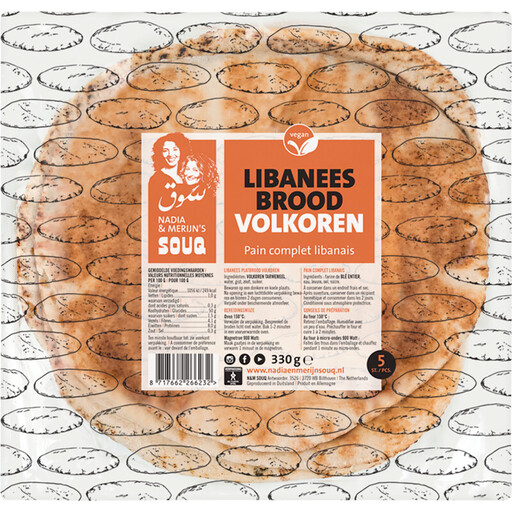
A flatbread option if you’re not specifically looking for sourdough for your late-night snack. ‘Whole Wheat’ and 6 pieces appear in the product name; if the precise ingredients matter to your choice, read the packaging for the ingredients and nutritional information.
 No image available
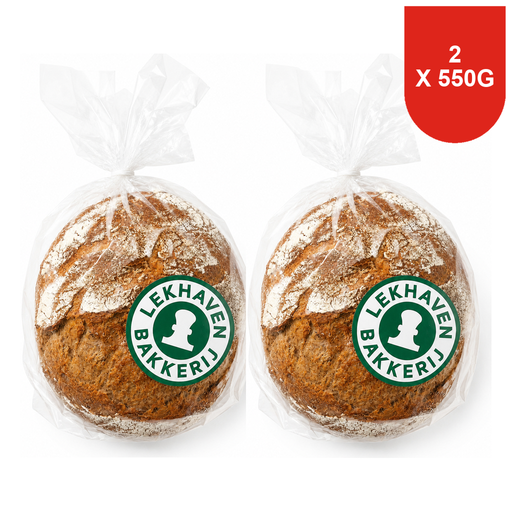
For a planned late-night bread snack when you have time to defrost and bake the bread. The product information mentions both wholemeal flour and wholemeal sourdough, as well as ordinary wheat flour, so check the packaging for the precise wholemeal status.
 No image available
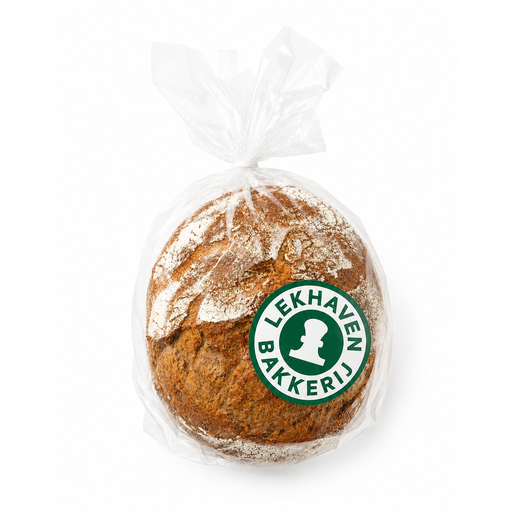
For anyone who wants to bake a loaf containing the listed sourdough ingredients before a late-night snack. This variety also contains both wholemeal flour and ordinary wheat flour; read the label to check the wholemeal status, nutritional values and preparation instructions.
No. Sourdough describes one part of the preparation process; according to the Voedingscentrum, ‘wholemeal’ bread is made with 100% wholemeal flour. If you specifically want wholemeal sourdough, look for both qualities on the product.
Use the weight of the slice and the nutritional information for your chosen bread to assess the portion. As a reference, the Voedingscentrum lists 118 kcal, 3.4 g of fibre and 0.48 g of salt for a 50 g slice of wholemeal bread cut at home; the values for your bread may differ.
Not based on ‘wholemeal’ or ‘sourdough’ alone: ordinary wholemeal wheat sourdough contains wheat. If you need to eat gluten-free, only choose a product clearly labelled as gluten-free and check the other ingredients and allergens too; if you have a wheat allergy, check specifically for wheat.
Don’t assume that a particular product does. The Voedingscentrum names bread as an important source of iodine, and Albert Heijn lists iodised salt in AH Liefde & Passie Nederlands desem volkoren; check the ingredients list for any other bread.
Follow the storage and preparation instructions for your chosen bread. Before buying, check whether it’s ready to eat, needs defrosting first or needs to be baked. This will help you decide whether it suits a spontaneous or planned late-night snack.