What should you look for when choosing?
First, choose a rusk that suits your fibre preferences and preferred texture. Then consider how much chocolate sprinkles to use and, if you’re sharing, check the ingredients of both products.
| What to consider |
What to check when buying |
Who it matters to |
| Fibre in the rusk |
Check that the rusk is wholemeal and compare the fibre per 100 g with the weight of each piece. |
If fibre is my priority, I want to know how much the rusks I eat contribute. This is the main consideration for around 42% of consumers. |
| Portion of chocolate sprinkles |
Check the sugars and saturated fat per 100 g, and consider the weight of the portion you sprinkle on. |
For a movie night, I want to balance the chocolate flavour against the amount of sprinkles I use. Around 33% of consumers put this portion choice first. |
| Allergens and storage |
Read the current ingredients and allergen information for both products; keep opened rusks dry and in a sealed container. |
If I’m sharing the snack or taking it with me, I want to be able to check the ingredients and keep the rusks crisp. This is the main concern for around 25% of consumers. |
Brands compared
These brands offer examples of rusks or chocolate sprinkles to compare by ingredients and nutritional value. The figures quoted apply to the varieties described.
Bolletje
Worth considering for a wholemeal rusk base, with both a standard variety and a dark variety containing oats and seeds.
- Jumbo lists 11 g of fibre per 100 g for Bolletje Wholemeal Rusks; Albert Heijn lists 10 g per 100 g for the dark variety described.
- The dark variety contains ingredients including oats, barley and sesame. Check the ingredients before choosing it for others.
De Ruijter
An option for dark chocolate sprinkles to top wholemeal rusks.
- For the Dark Chocolate Sprinkles described by Albert Heijn, the label lists 64 g of sugars per 100 g, making it easy to compare the nutritional value with your portion size.
- This variety contains milk and soya; check the label on the pack you buy.
Venz
Another brand to consider when comparing dark chocolate sprinkles.
- Jumbo lists Venz Dark Chocolate Sprinkles in a 400 g pack.
- Check the current nutritional information and allergen details on the pack before comparing it with another variety.
Albert Heijn
The own-brand range includes both wholemeal rusks and dark chocolate sprinkles, which you can assess separately.
- Albert Heijn lists 9 g of fibre per 100 g for AH Wholemeal Rusks.
- These rusks contain egg and cereals containing gluten. The AH Dark Chocolate Sprinkles described list 64 g of added sugars per 100 g.
Jumbo
The own-brand range includes wholemeal rusks and dark chocolate sprinkles.
- For the dark chocolate sprinkles described, Jumbo lists 65.8 g of sugars per 100 g and 13.2 g per 20 g portion.
- The pack of sprinkles described contains 600 g. Consider whether that amount suits how often you use chocolate sprinkles.
Products for rusks and toppings
Below are wholemeal rusks for the base and chocolate sprinkles for the topping. Choose rusks based on their size and ingredients; for the sprinkles, compare the pack size and nutritional information of the variety you want to use.
 Image unavailable
Bolletje dark wholemeal rusks, 10 pieces
A rusk base to consider if you’d like a dark wholemeal variety. To compare fibre, check the current nutritional information and the weight per piece; if you’re sharing, check the ingredients too.
View at Joybuy
 Image unavailable
Bolletje wholemeal rusks, 13 pieces
A standard wholemeal rusk base for a snack with chocolate sprinkles. The pack contains 13 pieces. Check the nutritional information on the current pack if you want to compare fibre per 100 g or per rusk, and read the allergen information before sharing.
View at Joybuy
 Image unavailable
De Ruijter Intense dark chocolate sprinkles, 200 g
A topping for anyone who wants to add dark chocolate sprinkles to wholemeal rusks. The pack contains 200 g; use the nutritional information to decide how much to add to each rusk, and check the current allergen information.
View at Joybuy
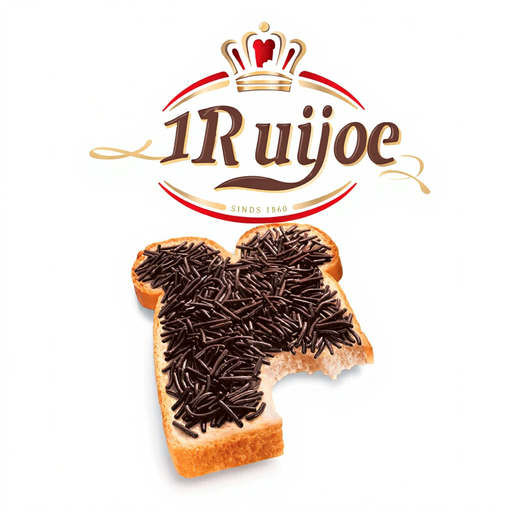 Image unavailable
De Ruijter dark chocolate sprinkles, 390 g
Dark chocolate sprinkles for topping, in a 390 g pack. Check the nutritional information on the current pack to work out how much to use, and check the ingredients if you’re sharing.
View at Joybuy
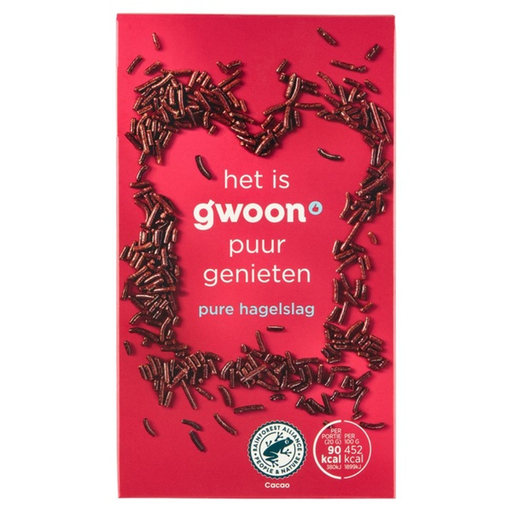 Image unavailable
g'woon dark chocolate sprinkles, 400 g
Dark chocolate sprinkles in a 400 g pack to consider as a topping. Compare sugars and saturated fat using the same nutritional basis as for other varieties, and decide how much to use on each rusk.
View at Joybuy
Frequently asked questions
Do wholemeal rusks make chocolate sprinkles less sweet?
No. Choosing wholemeal rusks does not change the nutritional value of the chocolate sprinkles. Compare the fibre in the rusks with the sugars and saturated fat in the topping separately, and keep an eye on how much of each you eat.
How much fibre is there in one wholemeal rusk?
The Netherlands Nutrition Centre gives an average of 0.8 g of fibre for one 10 g wholemeal rusk. A different size or product may provide a different amount per piece; check the weight and nutritional information on the pack.
How should I store rusks for a movie night?
Keep opened rusks dry and in a sealed container. Albert Heijn also recommends storing its wholemeal rusks in a dark place and putting them in a closed tin after opening. Follow the instructions on the pack for your product.
Which allergens should I check in rusks with chocolate sprinkles?
Check the current labels on both the rusks and the chocolate sprinkles. The products described include ingredients such as wheat, egg, oats, barley and sesame in the rusks; the De Ruijter Dark Chocolate Sprinkles described by Albert Heijn contain milk and soya.
Do rusks in the Netherlands always contain iodised bakers’ salt?
No, this is not required by Dutch regulations. The Netherlands Food and Consumer Product Safety Authority explains when iodine compounds may be present in bakery products through bakers’ salt. For a specific rusk, check the ingredients or ask the manufacturer.


