
Families looking for wholemeal options
For an after-school bread snack, they want a recognisable wholemeal base. According to the Netherlands Nutrition Centre, the word ‘multigrain’ on its own doesn’t confirm that bread is wholemeal.


If you’re looking for a wholemeal bread snack for after school, check for the word ‘wholemeal’ on the packaging; ‘multigrain’ alone doesn’t confirm that it’s wholemeal. The Netherlands Nutrition Centre explains that wholemeal bread is made from 100% wholemeal flour, while multigrain bread contains at least three types of grain. Then check the allergens, bread format and storage instructions for each product, especially if the bread is going to school or childcare.
For an after-school bread snack, they want a recognisable wholemeal base. According to the Netherlands Nutrition Centre, the word ‘multigrain’ on its own doesn’t confirm that bread is wholemeal.
If you need to take an allergy or school or childcare requirements into account, check the latest label. Ask for allergen information before buying unpackaged bread.
Sliced bread, individual rolls and bake-at-home bread don’t all need the same preparation. Consider which format suits the occasion and follow the storage advice for your chosen product.
First, decide whether wholemeal is essential. Then check the allergens and choose a bread format that suits when your child will eat it.
| What to consider | What to check when buying | Who it matters to most |
|---|---|---|
| Wholemeal base | Look for ‘wholemeal’ on the packaging. Compare fibre per 100 g only between similar products. | I want to know whether the bread is genuinely wholemeal, not just made from several types of grain. For around 42% of consumers, a wholemeal base would be the top priority. |
| Allergens | Read the latest ingredients and allergen information and check any school or childcare requirements. | If my child takes bread with them and allergens are a concern, I need to be able to check the information for that specific pack. Around 33% of consumers would consider checking allergens their most important buying requirement. |
| Portions and storage | Check whether the bread is ready to serve or needs baking; follow the specific storage advice. | If the snack needs to be ready quickly or I want to store portions for later, the bread format matters. For around 25% of consumers, that practical convenience would be the deciding factor. |
The Netherlands Nutrition Centre uses ‘multigrain’ to describe bread made with at least three types of grain; the term doesn’t mean that all the flour used is wholemeal.
If wholemeal is a requirement for you, look for ‘wholemeal’ first. Then choose the grain mix or texture you prefer.
A name or picture doesn’t tell you which allergens may be present in the current version. Ingredients and allergen information can also vary between products.
Read the label on the pack you’re buying, and ask for allergen information if the bread is unpackaged. Before sending bread in with your child, check any school or childcare requirements too.
Bake-at-home bread needs preparation, while sliced bread and rolls can be served without baking. Storage instructions vary from product to product.
Choose a format that suits the time you have and the portions you need. Follow the packaging instructions for storing or freezing the bread.
Has an online category for wholemeal bread, as well as separate multigrain products.
Has a product page for a wholemeal multigrain bread, with nutritional and allergen information.
Describes a multigrain bread and provides separate ingredients and allergen information for freshly baked bread.
Describes its Farmers’ wholemeal multigrain bread as a loaf containing grains and seeds.
Has product pages for wholemeal multigrain rolls and wholemeal multigrain bake-at-home baguettes.
Offers both multigrain and wholemeal bread, including a wholemeal multigrain variety from Bakker van der Akker.
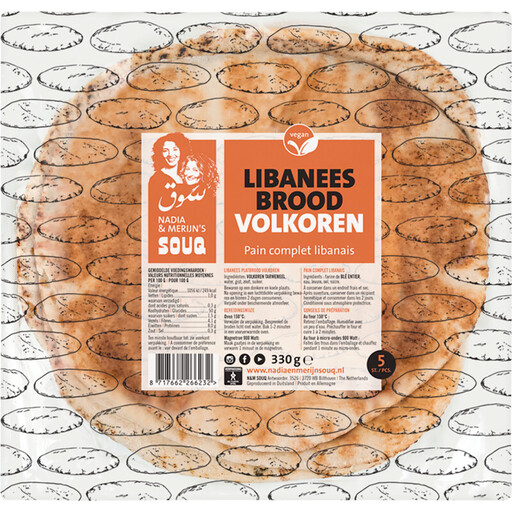
These bread options suit a wholemeal after-school snack: flatbread, a round loaf that needs preparation and rye bread. If you’re specifically looking for multigrain bread, check the label and ingredients for each product.
 No image available
An option if you want to serve flatbread as a snack without baking it first. The product name states that the pack contains six pieces; check the latest packaging for ingredients and allergens before sending it in with your child.
 No image available
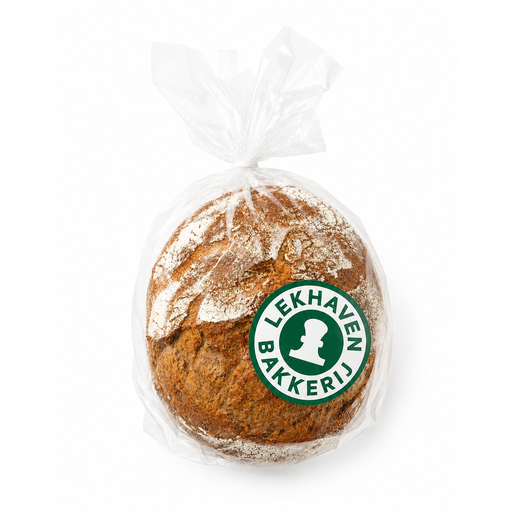
This round wholemeal wheat loaf is better suited to a snack you can prepare in advance: it needs to be defrosted, baked and cooled before slicing. Check the baking time on the latest packaging and read the allergen information before sending the bread in with your child.
 No image available
This rye bread is a handy option if you want to set aside individual pieces for a snack; the product name states that the pack contains nine pieces. If it matters to your choice, check the packaging for the wholemeal label, ingredients and allergens.
No. According to the Netherlands Nutrition Centre, ‘multigrain’ means that bread contains at least three types of grain. If you want wholemeal bread, also look for the word ‘wholemeal’ on the packaging.
Yes. The Netherlands Nutrition Centre lists a wholemeal sandwich as a possible snack for children aged 4 to 12. Choose a portion and topping that suit the occasion, and check for allergens if needed.
For prepacked bread, read the latest ingredients and allergen information on the label. For unpackaged bread, ask for this information before buying, and check any school or childcare requirements separately.
Follow the storage advice for your chosen product, as it varies depending on the type of bread. For example, PLUS says its wholemeal multigrain rolls can be frozen on the day of purchase and should be used within one month.