
Families looking to choose wholemeal more often
You want bread that’s quick to grab in the morning, but you also want to be sure what the label ‘wholemeal’ means. A sliced loaf or individual rolls make it easier to choose the right amount.


If you want to make a conscious choice of wholemeal bread for a quick breakfast, start with bread or rolls that include ‘wholemeal’ in the product name, and choose a format you can take with you without any morning preparation. If a fussy eater isn’t ready for that yet, brown bread can be a stepping stone: according to the Netherlands Nutrition Centre, it contains a combination of wholemeal flour and white flour. White bread is made with white flour; the name ‘multigrain’ on its own doesn’t tell you whether a loaf is entirely wholemeal.
You want bread that’s quick to grab in the morning, but you also want to be sure what the label ‘wholemeal’ means. A sliced loaf or individual rolls make it easier to choose the right amount.
A straight switch from white to wholemeal won’t suit every taste. According to the Netherlands Nutrition Centre, brown bread is made with wholemeal flour and white flour, so it can be a considered choice between these types of bread.
You want to be able to grab some bread and take it with you before heading out. So it’s not just the type of bread that matters, but also whether it’s sliced or portioned, and whether it needs any preparation.
First decide whether choosing entirely wholemeal bread or finding something the eater will enjoy matters most. Then look at which bread format suits the time you have and the quantity you need.
| What to consider | What to check when buying | Who it matters to |
|---|---|---|
| Choosing wholemeal | Look for ‘wholemeal’ in the product name and compare the nutritional information, including fibre per 100 g, on the current label. | I don’t want to judge by the colour of the bread when I’m looking for something entirely wholemeal. For around 36% of consumers, this certainty is the top priority. |
| Taste and texture | Consider brown bread as a stepping stone; don’t confuse ‘brown’ or ‘multigrain’ with entirely wholemeal. | A fussy eater needs to want to eat their breakfast, so I look for a type of bread that suits their preferences. This matters most to around 29% of consumers. |
| Ready to take with you | Check the bread format and instructions for use: sliced bread and rolls may need different amounts of preparation. | If I’m short on time before heading out, I don’t want bread that I still need to prepare. For around 21% of consumers, being able to take it straight away is the main concern. |
| Right-sized quantity | Choose a whole loaf, half a loaf or individual rolls to suit the number of breakfasts; check the storage and freezing advice. | I’d rather buy an amount that will be eaten than a whole loaf with slices left over. Around 14% of consumers make portion size their top priority. |
A dark colour or several types of grain won’t tell you whether a loaf is entirely wholemeal. According to the Netherlands Nutrition Centre, wholemeal bread is made with 100% wholemeal flour; brown bread also contains white flour.
Use the product name as your first clue, then check the ingredients and nutritional information on the packaging.
Not all bread is made with baker’s salt. According to the Netherlands Nutrition Centre, the label will tell you whether it has been used.
If you want to know whether your bread contains iodised baker’s salt, check the current label or ask the baker about unpackaged bread.
Ingredients, nutritional values and allergen information can change. This means a product page you looked at earlier isn’t enough to choose bread for someone with specific dietary needs.
Check the current packaging when you buy, especially the ingredients, allergens and instructions for use.
If you only need a few slices, some of the loaf may be left over before you get a chance to use it.
Choose half a loaf or rolls if that works better. If you want to freeze it, follow the advice on the label of the bread you choose.
Choosing the right amount or freezing it in time can help prevent unused slices from going to waste.
A useful place to start if you want to look at the nutritional information for a specific wholemeal loaf.
Worth considering if you want to compare wholemeal bread in different formats.
Worth considering if you want to compare fibre values for packaged bread.
A useful reference if you want to compare whole and half loaves or rolls.
Worth considering if you want to look at wholemeal, brown, multigrain and sourdough breads as separate types.
A useful reference for comparing types of bread and rolls to suit different portion needs.
These options include flatbread, multigrain rolls and other bread formats for anyone planning a quick breakfast. Check the preparation steps for each product: not every format is ready to take with you straight away, and ‘multigrain’ doesn’t automatically mean entirely wholemeal.
 Image unavailable
An option if you’d prefer to take individual pieces of flatbread with you instead of slices from a standard loaf.
The product name specifies six pieces and Whole Wheat. Check the ingredients, allergens and bread description on the current packaging.
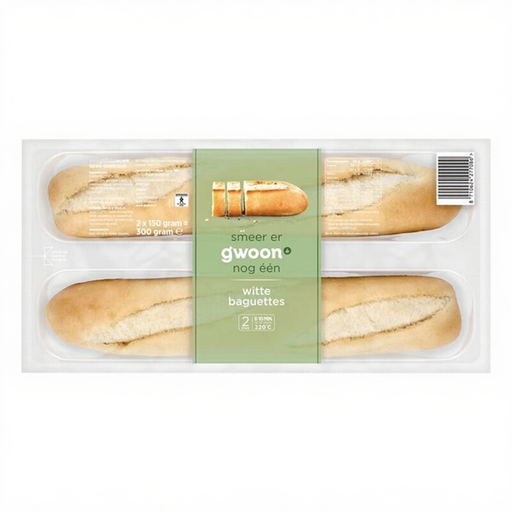 Image unavailable
Two multigrain baguettes could work if you want to spread breakfast across separate occasions.
‘Multigrain’ doesn’t guarantee that a product is entirely wholemeal. Check the instructions for use too, before assuming the baguettes are ready to take with you without preparation.
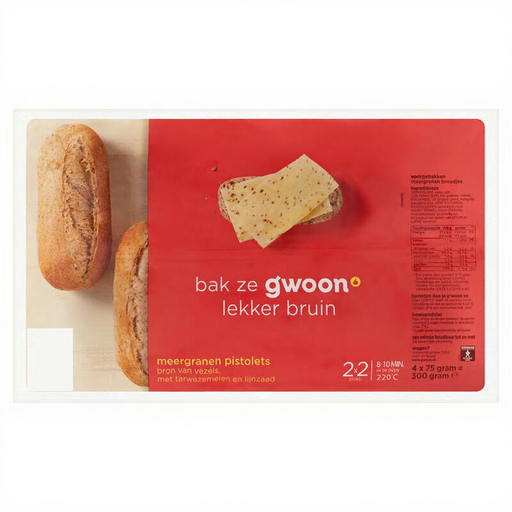 Image unavailable
A pack of four multigrain rolls is a good fit if you want to choose individual portions.
Check the ingredients if you’re specifically looking for entirely wholemeal bread, and read the instructions for use if you need to take a roll with you straight away.
 Image unavailable
Only consider this rye product if the format you receive suits how you want to take breakfast with you.
The product title says ‘bun’, while the full description refers to sliced rye bread. Before buying, check which format you’ll receive and read the current label.
 Image unavailable
This loaf is only suitable for a quick start if you can plan the preparation in advance.
It needs to be defrosted and baked before use, then left to cool before slicing. Check the preparation instructions and ingredients on the packaging.
No, ‘multigrain’ on its own doesn’t mean a loaf is entirely wholemeal. According to the Netherlands Nutrition Centre, wholemeal bread is made with 100% wholemeal flour, so check the product name and current label.
No, not all bread is made with baker’s salt. According to the Netherlands Nutrition Centre, the label states whether baker’s salt has been used; if necessary, ask the baker about unpackaged bread.
Choose a whole loaf, half a loaf or individual rolls to suit the number of breakfasts you need. If you want to freeze the bread, follow the instructions for the product you choose; for AH Volkoren heel, Albert Heijn says it can be frozen on the day of purchase.
Yes, read the allergen information for the bread you’re actually buying. Ingredients and recipes can change, so information from a product page you looked at previously isn’t enough.