
Households keeping an eye on fibre
These shoppers want to compare their usual slice of white bread with wholemeal bread. The product description and fibre per 100 g matter more than the colour of the bread.


If you’re mainly swapping white bread for more fibre, bread labelled ‘wholemeal’ is a sensible choice: according to the Netherlands Nutrition Centre, wholemeal bread contains more fibre than white bread. Then compare the nutritional information per 100 g and the ingredients of the loaves you’re considering. Taste, allergens and preparation requirements may affect your choice.
These shoppers want to compare their usual slice of white bread with wholemeal bread. The product description and fibre per 100 g matter more than the colour of the bread.
If you’d like to keep the taste or texture of white bread, fine wholemeal bread may be worth comparing. Even with a fine-textured loaf, check that it’s actually labelled wholemeal.
If you’re watching your salt or carbohydrate intake, or avoiding certain ingredients, compare the nutritional information and allergens on the pack you choose. A wholemeal label alone doesn’t mean a loaf is suitable for someone with an allergy.
Start with why you want to replace white bread. Then compare the loaves that fit your needs by checking their product descriptions, nutritional information per 100 g and ingredients.
| What to consider | What to check before buying | Who it matters to |
|---|---|---|
| Wholemeal and fibre | Look for the product description ‘wholemeal’ and compare fibre per 100 g; colour or seeds don’t prove that a loaf is wholemeal. | If I want to replace my daily slice of white bread for the fibre, I want to know whether the loaf is genuinely wholemeal. Around 50% of shoppers put wholemeal and fibre first. |
| Taste and texture | For example, compare fine wholemeal with regular wholemeal, and check which loaf size suits your household. | A different taste or texture can make the switch difficult at home, so I’m looking for a wholemeal loaf we’ll enjoy eating. For around 30% of shoppers, making the switch is the biggest consideration. |
| Label and ingredients | Compare salt and carbohydrates per 100 g, and read the full ingredients and allergen information. | If I have a specific dietary preference or need to avoid an ingredient, I want to know exactly what’s in this loaf. For around 20% of shoppers, checking the label comes first. |
According to the Netherlands Nutrition Centre, ‘multigrain’ means that a loaf contains at least three types of grain. That doesn’t necessarily mean it’s wholemeal.
Check for the product description ‘wholemeal’, then compare the fibre per 100 g.
‘Low carbohydrate’ or ‘extra high in fibre’ applies to a specific product, not all wholemeal bread. Ingredients and allergens can vary too.
Read the nutritional information and ingredients on the pack you’re buying, and compare nutritional values on the same basis.
Albert Heijn lists iodised salt as an ingredient in Onze Trots Vloerbrood volkoren half. That ingredient information doesn’t apply to other loaves.
Check the current ingredients list. If you’re buying unwrapped bread, ask for product information if the ingredients matter to your choice.
If your household won’t eat the bread in time, a large pack could lead to waste.
Consider buying half a loaf or, as the Netherlands Nutrition Centre recommends, freeze a whole loaf in portions as soon as you buy it.
An example to consider if you want to compare a wholemeal hearth loaf for fibre and salt.
An example to consider if you’re looking at a specific low-carbohydrate loaf as well as wholemeal bread.
A shop to visit if you’d like to look at options including fine wholemeal bread.
An example to consider if you want to assess a specific fibre or salt claim.
An example of a wholemeal loaf with nutritional values listed per 100 g.
A shop to visit if you want to compare a wholemeal hearth loaf with other breads.
These options include rye bread, wholemeal flatbreads and wholemeal round loaves as possible alternatives to white bread. Their shapes and preparation requirements vary, so choose based on how you plan to use the bread and check the packaging for nutritional values and allergens.
 No image available
For anyone wanting to try rye bread as an alternative to white bread; it’s a different type of bread from a regular slice of wheat bread.
Pack size: 9 pieces. If you have an allergy, check the current ingredients and allergen information.
 No image available
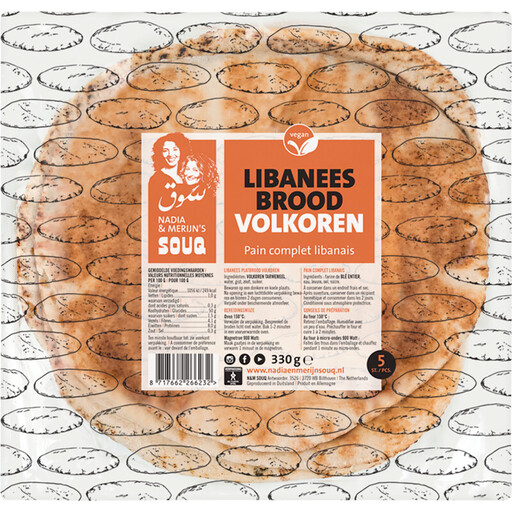
For anyone wanting to serve wholemeal flatbread with a meal; its shape differs from regular bread for making sandwiches.
Pack size: 6 pieces. Before buying, read the full ingredients and allergen information on the packaging.
 No image available
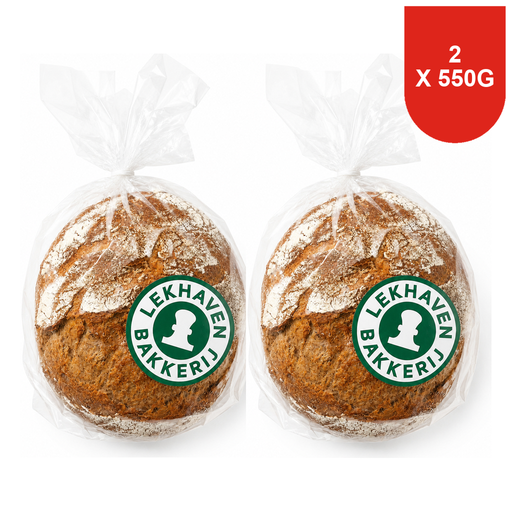
For anyone looking for a wholemeal round loaf who has time to defrost and bake it before serving.
Pack size: 2 × 550 g. Follow the preparation instructions on the current packaging, and only compare nutritional values if the quantity they refer to is clear.
 No image available
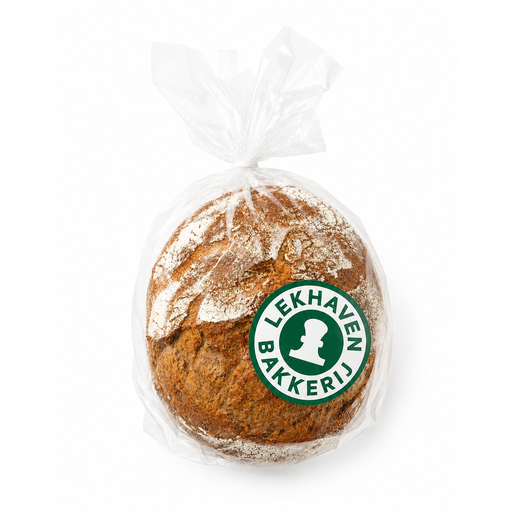
For anyone looking for a single wholemeal round loaf, with defrosting and baking included in their plans.
Pack size: 550 g. Follow the current preparation instructions and check what quantity the nutritional values refer to before comparing them.
No. According to the Netherlands Nutrition Centre, ‘multigrain’ means a loaf contains at least three types of grain; it doesn’t confirm that it’s wholemeal. If you’re looking for wholemeal bread, check the product description and compare the ingredients and fibre.
Check the ingredients of the bread you’re buying. For example, Albert Heijn lists iodised salt in Onze Trots Vloerbrood volkoren half, but that doesn’t automatically apply to other loaves.
Read the current ingredients list and allergen information for the specific loaf you want to buy. A wholemeal label doesn’t tell you about other ingredients or allergens. If you’re buying unwrapped bread, ask for product information.
The Netherlands Nutrition Centre recommends freezing it in portions, preferably as soon as you buy it. That way, you can take out just what you need each time.