What should you look for when choosing?
Start by checking whether the bread is wholemeal and whether your child likes its texture. Then compare the information on the label and choose an amount you can store and use up.
| What to consider |
What to check when buying |
Who it matters to |
| Wholemeal and fibre |
Check the product name and compare fibre content on the same basis, for example per 100 g. |
If you want to replace white bread as a regular breakfast choice, look for clearly labelled wholemeal bread and compare its nutritional values; this would be the main purchasing concern for around 36% of consumers. |
| Taste and texture |
Check that the fine-textured bread you’ve chosen is actually wholemeal and that your child gets on with its texture. |
If your toddler leaves coarse-textured bread uneaten, the main thing is whether they’ll eat a finer-textured loaf; food acceptance would be the priority for around 29% of consumers. |
| Allergens |
Read the current label. If you’re buying unwrapped bread, ask about allergens before buying, and check the nursery or school’s policy if needed. |
If you need to account for an allergy or rules about food brought in from home, you’ll want to know which ingredients and allergens apply. This check would be the main concern for around 21% of consumers. |
| Portions and storage |
Compare pack sizes and check whether, and how, the bread can be frozen. |
If your household only gets through a few slices at a time, you’ll want to avoid a whole loaf going to waste; ease of storage would be the main purchasing concern for around 14% of consumers. |
Bread options at Joybuy
These options include rye bread, wholemeal flatbread, crispbread and wholemeal wheat bread that needs to be baked before eating. For a toddler’s breakfast, look beyond the wholemeal label and consider the type of bread, how it needs to be prepared and its allergens.
 Image unavailable
TastyBasics rye bread, 9 pieces
A rye bread option if you’re considering a different type of bread alongside regular slices. Check the pack to see whether it is labelled wholemeal: the product information describes its rye base in different ways. The bread contains rye and gluten; check the current label for other allergens too.
View at Joybuy
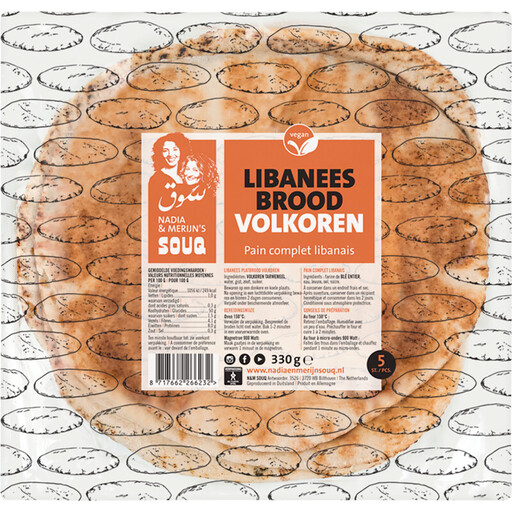 Image unavailable
Souq Lebanese wholemeal flatbread, 6 pieces
A flatbread option if you’d like to try something other than sliced bread. Check whether its shape and texture suit your child’s breakfast. The product contains wheat and gluten and may contain soya and milk; check the current label before buying.
View at Joybuy
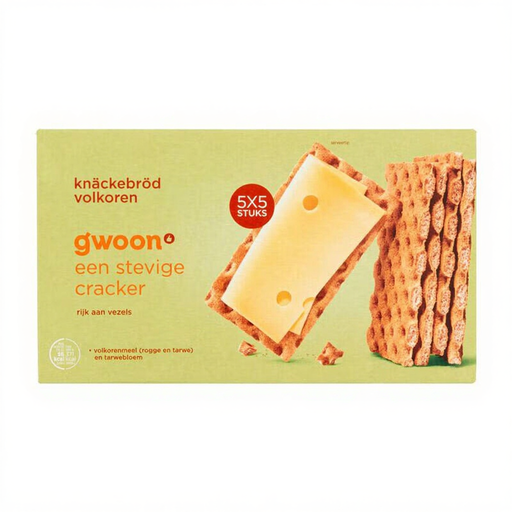 Image unavailable
g'woon wholemeal crispbread, 375 g
A crunchy breakfast option, but not a like-for-like replacement for soft bread. See whether your child will eat it, and check the current label carefully: the product information lists several allergens, including wheat, rye and sesame.
View at Joybuy
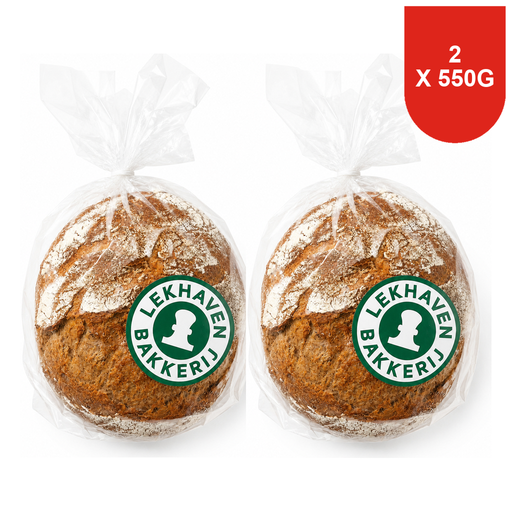 Image unavailable
Lekhaven Bakkerij wholemeal country round loaf, 2 × 550 g
A wholemeal wheat bread option if you can store and prepare the bread in advance. This variety is delivered frozen and, according to the product information, needs to be defrosted, baked and cooled before slicing. Check the preparation instructions and allergens on the pack.
View at Joybuy
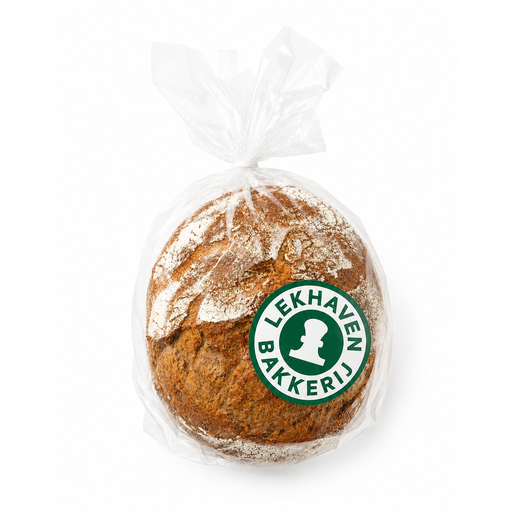 Image unavailable
Lekhaven Bakkerij wholemeal country round loaf, 550 g
A wholemeal wheat bread option if defrosting and baking fit into your breakfast routine. Allow time for preparation and leave the loaf to cool before slicing. Follow the baking time on the pack, and check it for full allergen information too.
View at Joybuy
Frequently asked questions
Is wholemeal bread an alternative to white bread for a toddler’s breakfast?
Yes. The Netherlands Nutrition Centre advises replacing white bread with wholemeal or brown bread as often as possible, and says wholemeal bread contains the most fibre. Choose bread your child is happy to eat, and check the ingredients if there are any allergen restrictions.
How many slices of bread does the Netherlands Nutrition Centre recommend for children aged 1 to 3?
The Netherlands Nutrition Centre recommends around 2 to 3 slices of bread a day, usually split between breakfast and lunch. Think of breakfast as part of what your child eats throughout the day, rather than as a set number of slices they must always finish.
Does standard wholemeal bread contain gluten?
Wholemeal wheat bread contains gluten. The wholemeal breads described by Albert Heijn, Jumbo and PLUS list cereals containing gluten; if there’s an allergen restriction, always check the specific pack and follow the relevant dietary advice.
Where can I find allergen information for unwrapped bread?
Ask the seller before buying. The Netherlands Food and Consumer Product Safety Authority says that allergen information must appear on the label of prepacked products, and must be made available in another way for unwrapped products.
Can you freeze wholemeal bread in portions?
You can if the instructions for the bread you’ve chosen allow it. Albert Heijn and PLUS say that their wholemeal loaves described here can be frozen on the day of purchase; PLUS says its product should be used within one month. Follow the instructions on the pack you buy.


