
Households keeping an eye on fibre
You want to know whether the bread is genuinely wholemeal and compare the fibre listed for the specific variety. A brown colour or the label ‘multigrain’ isn’t enough to tell you.


For lunch at the Sinterklaas arrival parade, choose bread labelled wholemeal and compare the fibre and salt per 100 g, as well as the allergens, for the variety you’re considering. You can prepare sandwiches in advance with a sliced loaf; if you want to share the bread on the spot, a bread you can portion easily may be more practical. In either case, check how the bread should be stored.
You want to know whether the bread is genuinely wholemeal and compare the fibre listed for the specific variety. A brown colour or the label ‘multigrain’ isn’t enough to tell you.
You want to prepare your bread in advance or be able to share it easily while you’re out. Check whether it’s sliced and follow the storage advice on the pack, especially if you’re buying it ahead of time.
If you have coeliac disease or a wheat allergy, ordinary wholemeal bread isn’t automatically a suitable choice. Check the ingredients, allergens and any cross-contamination information for the exact product.
First decide which feature matters most for the bread you’ll take to the parade. Then compare nutritional values only when they’re given on the same basis, such as per 100 g, and check the pack of the variety you’re buying.
| What to consider | What to check when buying | Who it matters to |
|---|---|---|
| Wholemeal and fibre | Look for the ‘wholemeal’ label and compare the fibre per 100 g across the varieties. | I don’t want to judge by colour; I want to compare the fibre listed for my bread. For around 40% of consumers, checking that it’s wholemeal and comparing fibre comes first. |
| Taking it with you and storage | Check whether the bread is sliced or easy to portion, and read the storage and freezing advice. | If I prepare lunch in advance, I want to be able to hand it out without having to slice it on the spot. Around 30% of consumers give this practical consideration top priority. |
| Salt and iodine | Compare salt per 100 g. For packaged bread, check whether it lists baker’s salt or iodised salt if iodine matters to you. | I want to know what the label says about salt, without assuming that every loaf contains iodised salt. This information matters most to around 20% of consumers. |
| Gluten and allergens | Read the ingredients and allergen information for the exact variety, and check for cross-contamination information if needed. | If gluten or wheat is a dietary restriction for me, I first need to establish whether I can eat this bread. For around 10% of consumers, this check comes before all the others. |
Colour alone doesn’t tell you which grains have been used or how much fibre the bread contains.
Look for the ‘wholemeal’ label and compare the fibre per 100 g of the breads you’re choosing between.
According to the Dutch Bakery Centre, using iodine-containing baker’s salt isn’t a legal requirement. The Netherlands Food and Consumer Product Safety Authority says that adding iodine through baker’s salt is permitted.
If the type of salt used matters to you, check the ingredients list on packaged bread.
A variety of bread you looked at previously may have different ingredients, allergen information or storage instructions when you buy it.
Check the latest product information shortly before buying, and read the packaging of the bread you take with you.
These examples can help you compare specific varieties. The features mentioned apply to the products described, not to a brand’s entire range.
Albert Heijn’s wholemeal range includes a variety of bread shapes and types.
Jumbo Fine Wholemeal Bread is an example of a full loaf with nutritional values listed per 100 g.
PLUS Farmhouse Wholemeal Loaf has product information covering nutritional values and storage.
ALDI offers an Extra High-Fibre Wholemeal Bread with product-specific fibre and salt claims.
Lidl lists Fine Wholemeal as an 800 g loaf sold in store.
Dirk lists Bakker van der Akker Farmhouse Extra Fibre Wholemeal as a wholemeal loaf.
These products offer different types of bread for the parade: shareable flatbread, portioned rye bread, crispbread and a round loaf that needs baking. The right option depends on what you want to prepare in advance and eat while you’re out.
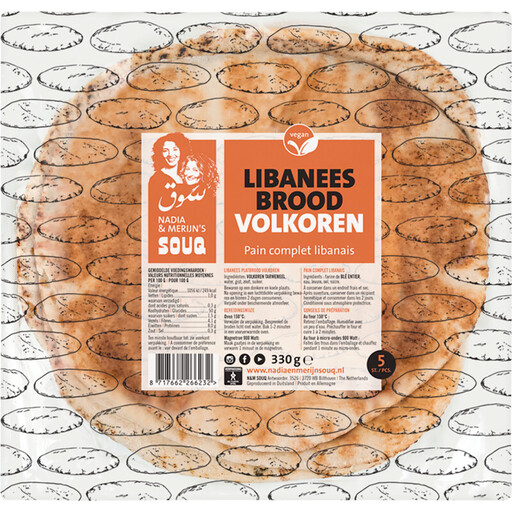 Image unavailable
A bread you can share if you want to hand it out at the parade without having to slice it. This flatbread is a different type of product from a sliced loaf; check the packaging if you have allergies.
 Image unavailable
The nine pieces offer a different way to share bread than a whole wheat loaf. Check the packaging for the nutritional values and allergens in this rye variety.
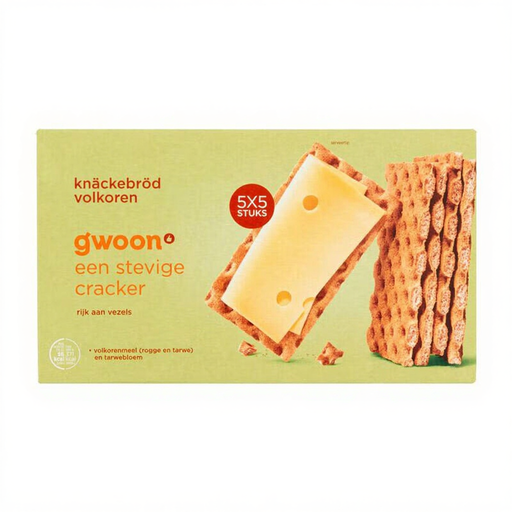 Image unavailable
Crispbread has a crunchy texture. Choose it if it suits your mealtime better than soft sandwiches prepared in advance. Check the allergens and nutritional values on the packaging.
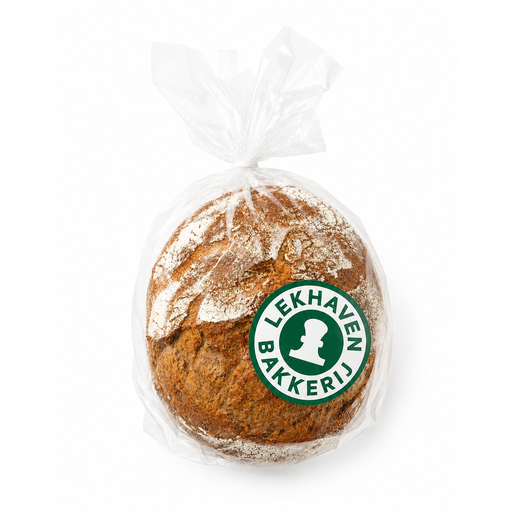 Image unavailable
This round loaf is a good option if you have time before the parade to defrost, bake, cool and slice it. Follow the baking instructions on the packaging, and check the nutritional values and allergens there too.
No. If wholemeal is a requirement for your purchase, choose bread labelled ‘wholemeal’ and use the nutrition table to compare the fibre in the specific variety.
For packaged bread, look for baker’s salt or iodised salt in the ingredients list. According to the Dutch Bakery Centre, using iodine-containing baker’s salt isn’t a legal requirement, so don’t assume that every loaf contains it.
Ordinary wholemeal bread made with wheat isn’t suitable if you have coeliac disease or a wheat allergy. When looking for an alternative, check the product’s specific label, ingredients, allergens and cross-contamination information. The Netherlands Nutrition Centre also points out that rye and barley contain gluten.
Follow the storage advice for the variety you choose. For its Farmhouse Wholemeal Loaf, PLUS recommends storing it in a cool, dark place and freezing it on the day of purchase. Don’t apply those instructions to another loaf without checking first.