
Households comparing fibre content
If you eat bread regularly, you can compare the fibre and salt content of wholemeal breads on a like-for-like basis, per 100 g. The information on the current packaging is still important.


For everyday use, choose a loaf labelled wholemeal, then compare the nutritional information per 100 g. Choose a half loaf if you’re unlikely to get through a whole one, or check whether you can freeze it according to the storage instructions. When ordering online, also check the allergens, whether baker’s salt is mentioned and the delivery options for the exact variety you want.
If you eat bread regularly, you can compare the fibre and salt content of wholemeal breads on a like-for-like basis, per 100 g. The information on the current packaging is still important.
If you won’t get through a whole loaf quickly, the available size and storage instructions matter just as much as the type of bread. A half loaf or freezing the bread may be a better fit for how you plan to use it.
If you’re paying attention to allergens, salt or the source of iodine, the word wholemeal alone isn’t enough. Check the ingredients, nutritional information and whether baker’s salt is mentioned on the exact loaf you’re buying.
Start by checking that the bread is labelled wholemeal and choosing the size you want. Then compare the nutritional information and ingredients of the varieties available for your order.
| What to consider | What to check when buying | Who it matters to |
|---|---|---|
| Wholemeal and fibre | Look for the word wholemeal and compare the fibre per 100 g on each product label. According to the Netherlands Food and Consumer Product Safety Authority, bread can only be labelled wholemeal if all the grain ingredient is wholemeal flour. | If I order bread for regular breakfasts and lunches, I want to compare the fibre content of specific loaves; around 42% of consumers put this first. |
| Size and storage | Check whether the variety you want is available as a whole or half loaf, and read the storage and freezing instructions for that bread. | In a small household, I don’t want more fresh bread delivered than we can eat or freeze. This is the most important factor for around 33% of consumers. |
| Label and ingredients | Check allergens and salt per 100 g. If you’re concerned about the source of iodine, look for baker’s salt or iodised salt in the ingredients. | When ingredients are the deciding factor for me, I want to know which variety I’m choosing before I order and be able to check the label on delivery. This is the top priority for around 25% of consumers. |
The colour, crust and visible seeds don’t confirm that the grain ingredient is wholemeal. According to the Netherlands Food and Consumer Product Safety Authority, checking that the bread is labelled wholemeal is the key first step.
Filter for wholemeal, then read the ingredients and nutritional information for the bread you’ve chosen.
If your household doesn’t eat much bread, a whole fresh loaf may be left uneaten for longer than intended.
Check whether a half loaf is available, or follow the product-specific freezing instructions for a whole loaf.
Albert Heijn and PLUS say that product information may change. This is particularly important if an ingredient or allergen affects your choice.
Read the product information before ordering, then check the allergen information on the packaging of the loaf delivered to you.
A supermarket may list bread online without offering home delivery for that product. Dirk, for example, says it doesn’t offer a delivery service.
Check whether the exact variety can be delivered to your postcode.
Albert Heijn has a separate wholemeal bread category, with options including standard loaves and bakery bread.
Jumbo lists a range of wholemeal breads, including fine, coarse, half-loaf and seeded varieties, with options to have your shopping delivered or collect it.
PLUS has a wholemeal bread category and offers grocery delivery or collection.
Dirk has product pages for wholemeal bread that you can view online.
Lidl has a Dutch online shop for selected items.
ALDI offers online services and an app with a shopping list.
This Joybuy selection includes rye bread, wholemeal wheat flatbread and wholemeal wheat bread in different pack sizes. Not all of these are standard Dutch wholemeal loaves. Before choosing, check the preparation and storage instructions, the current label and whether the exact variety can be delivered to your address.
 Image unavailable
The pack of nine may suit you if you want to plan your bread one piece at a time. This is rye bread; check the label if the wholemeal description, allergens or preparation method will affect your choice.
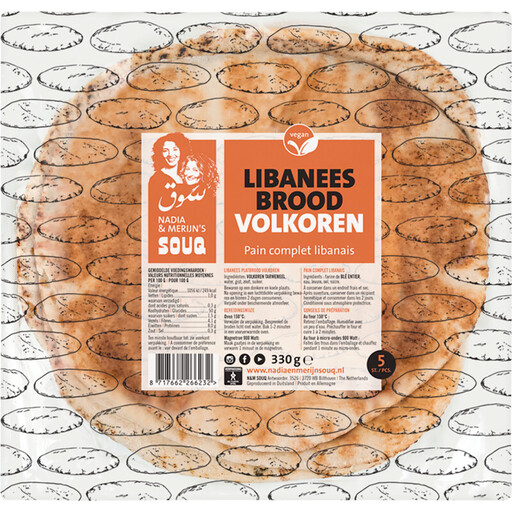 Image unavailable
This wholemeal wheat flatbread is a different style of bread from a whole sliced loaf. The pack contains six pieces; check the storage instructions and allergens for the exact variety.
 Image unavailable
If you’re looking for rye bread, you can consider this 500 g pack. To compare it with other breads, check that it’s labelled wholemeal and see how fibre and salt are measured on the label.
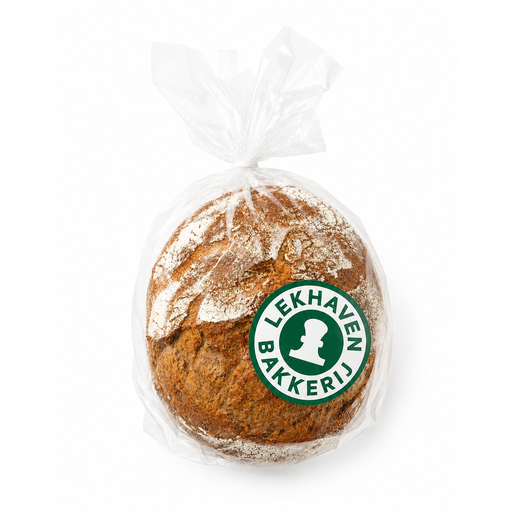 Image unavailable
This 550 g loaf is an option if you want to order a single wholemeal wheat loaf. Before choosing, check the preparation and storage instructions, and use the current label for nutritional values per 100 g.
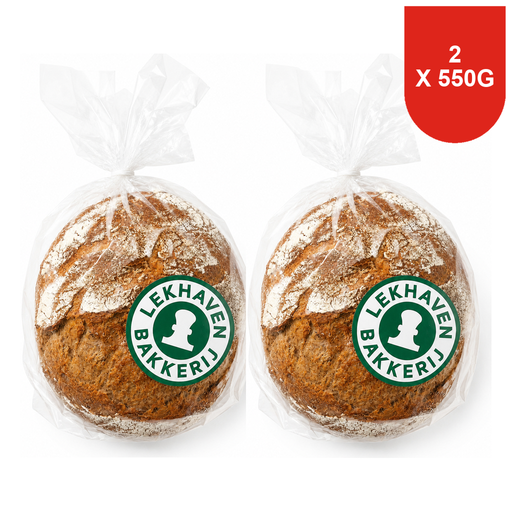 Image unavailable
The pack of two 550 g loaves may suit a household that has a plan for using or storing both. Check the storage and preparation instructions, and only compare nutritional values when they’re clearly given on the same basis.
No. If you want wholemeal bread, look for the word wholemeal. According to the Netherlands Food and Consumer Product Safety Authority, this label can only be used when all the grain ingredient is wholemeal flour; colour and the use of several types of grain don’t prove that on their own.
Yes, if allergens are relevant to your choice. Check the information before ordering, then read the label on the variety delivered to you. The Netherlands Food and Consumer Product Safety Authority sets out the mandatory allergen labelling requirements, and online product information may change in the meantime.
No. According to the Nutrition Centre, bakers aren’t required to use baker’s salt. So the wholemeal label doesn’t tell you whether iodine has been added; check whether baker’s salt or iodised salt is listed in the ingredients.
Choose a size that suits how much bread your household gets through, and opt for a half loaf if that’s a better fit. If you want to freeze a whole loaf, follow the instructions for that exact product; storage advice can vary from one bread to another.