If you want to choose the thickness of your lunch bread yourself, opt for a whole loaf that is clearly labelled wholemeal. If you want evenly cut slices without having to slice the loaf yourself, pre-sliced wholemeal bread is a better fit. A thick slice is not automatically a more nutritious choice: the Dutch Wheel of Five includes wholemeal bread, but check the fibre, salt, allergens and, where relevant, iodised salt on the packaging of each product.
Who is this choice relevant to?
Lunch-makers who want a generously topped slice
If you want plenty of topping and the freedom to choose how thick your slice is, a wholemeal loaf gives you more control over the thickness than a pre-sliced option. Just bear in mind that you’ll need to slice the loaf yourself.
Convenience-seekers who want to take wholemeal bread with them
If you want to prepare lunch without having to slice the bread, pre-sliced bread is practical. Check separately that the loaf you choose is wholemeal; being sliced says nothing about the type of bread or the thickness of each slice.
Label-checkers who pay attention to fibre, salt or iodine
If you compare breads by their nutritional information, check the values and ingredients for the exact variant. According to the Dutch Nutrition Centre, baking with bakers’ salt is not compulsory, so don’t assume a bread contains iodised salt based on its type alone if this matters to your choice.
What should you look for when choosing?
First choose the type of bread you’re looking for, then decide whether you want to slice it yourself. Compare the nutritional information on the packaging of the products you’re considering for lunch.
| What to consider |
What to look for |
Who it matters to |
| Wholemeal base |
Look for “wholemeal” in the product name and check the ingredients if the name mainly describes the colour, grain mix or shape of the loaf. |
When choosing bread for lunch, you may first want to make sure it’s wholemeal, regardless of how thickly it’s sliced. For around 36% of consumers, this is the most important factor. |
| Loaf you can slice yourself |
Choose a wholemeal loaf if you want to decide on the thickness yourself. Don’t rely on the name alone to judge slice thickness when buying pre-sliced bread. |
For a generously topped lunch, I want to choose how thickly I slice the bread, even if it means doing some preparation. For around 29% of consumers, having that choice is the priority. |
| Convenience and portions |
Check whether the bread is sliced and look at the portion size if you want to assess the nutritional values per slice for lunch. |
If I want to take lunch with me quickly, pre-sliced bread is handy. Around 21% of consumers prioritise this convenience. |
| Salt and iodine |
Compare the salt content per 100 g of similar breads. Check the ingredients for iodised salt or bakers’ salt if this matters to your choice. |
If you want to take salt or iodised salt into account, you’ll need information about the bread you’ve chosen before making your decision. For around 14% of consumers, checking the label is the most important factor. |
Common mistakes
-
Assuming a brown colour or rustic name means the bread is wholemeal
“Multigrain”, “hearth-baked” and “rustic” don’t tell you on their own whether bread is wholemeal. You might choose a loaf shape that suits your lunch without choosing the wholemeal option you intended.
Check the type of bread first and, if necessary, the ingredients list. Then decide whether the shape and slice thickness suit the way you want to top your bread.
-
Assuming all bread contains iodised bakers’ salt
The Dutch Nutrition Centre says that baking with bakers’ salt is not compulsory. The type of bread or the shop where you buy it therefore won’t tell you whether your chosen loaf contains iodised salt.
For packaged bread, read the ingredients list. If you’re buying unpackaged bread, ask which salt has been used if iodine matters to your choice.
-
Assuming a nutritional claim applies to every bread from the same brand
A statement about fibre or salt applies to the specific product variant, not automatically to other breads in the same range.
Compare the nutritional information and ingredients of the exact variants you’re considering, ideally using the same basis per 100 g.
-
Relying only on a product page you viewed earlier
Albert Heijn says that product ingredients, nutritional values and allergen information can change. This is important if you’re checking for a specific ingredient or allergen.
Read the packaging of the bread you’re actually using, especially if allergens, salt or iodised salt are important to your choice.
Brands to compare
These brands offer examples of whole and pre-sliced loaves that you can compare. Check the exact variant: the shape, fibre information or nutritional value of one product doesn’t apply to the whole range.
Albert Heijn
Worth considering if you want to look at a pre-sliced wholemeal loaf with product-specific ingredients and nutritional information.
- For AH Liefde & Passie Petit wholemeal sliced bread, Albert Heijn lists ingredients including wholemeal wheat flour and iodised salt.
- Those ingredients apply to this variant. Albert Heijn recommends checking the current packaging, as product information can change.
Jumbo
Worth considering if you want to compare bread types such as fine wholemeal and dark wholemeal multigrain.
- The range overview shows different types of bread that you can choose from for lunch.
- The bread name in the overview doesn’t specify a set thickness for pre-sliced bread.
PLUS
Worth considering if you want to choose between whole and pre-sliced wholemeal options and different loaf shapes.
- PLUS offers, among other options, a whole extra dark wholemeal hearth loaf that you can slice yourself.
- The loaf shape doesn’t indicate a set slice thickness, so check the specific variant you choose.
Dirk
Worth considering if you want to compare wholemeal options, including a whole batard loaf.
- The range includes farmhouse wholemeal, wholemeal batard and a variant with extra fibre.
- A description of one variant doesn’t provide a nutritional comparison with all other breads; check the information for the product you choose.
Lidl
Worth considering if you want to use the fibre information on packaged bread to help narrow down your options.
- Lidl describes a fibre guide on its packaged breads.
- Also check the ingredients, nutritional information and allergens for the exact variant you choose.
ALDI
Worth considering if you want to weigh up pre-sliced fine wholemeal bread against a wholemeal loaf you can slice yourself.
- ALDI lists pre-sliced Fijn volkoren and also offers wholemeal loaves.
- Claims about fibre or salt for a specific variant don’t automatically apply to other ALDI breads.
Wholemeal bread at Joybuy
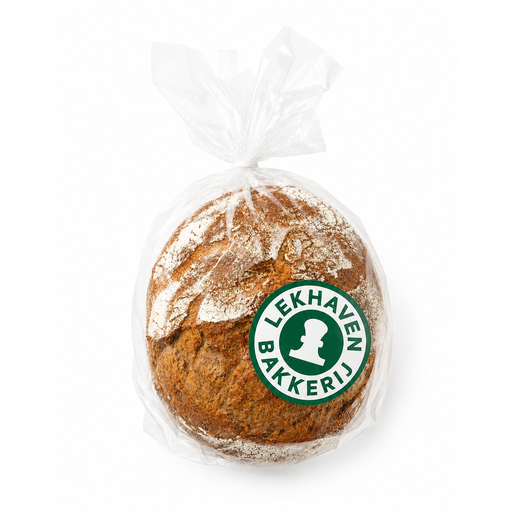
This round wholemeal loaf suits you if you want to slice your own bread for a generously topped lunch. Bear in mind that it needs preparing before you can cut into it.
 No image available
Lekhaven Bakkerij round wholemeal bread 550 g
For anyone who wants to choose the thickness of their slices for a generously topped lunch. This whole, round loaf weighs 550 g and needs to be defrosted, baked and cooled before slicing.
If you want to compare fibre or salt, check the nutritional information on the packaging and note the unit shown. Check the ingredients for iodised salt if this matters to your choice.
View at Joybuy
Frequently asked questions
Is a thick slice of bread automatically a more nutritious choice?
No. The thickness doesn’t tell you whether the bread is wholemeal. A thicker slice does contain more bread than a thinner slice from the same loaf, so assess the type of bread and its nutritional information separately from the slice thickness you want. The Dutch Nutrition Centre includes wholemeal bread in its Wheel of Five.
How can I choose the thickness of my lunch bread?
With a whole loaf, you can slice the bread yourself. If you want wholemeal bread, look specifically for a wholemeal option: “hearth”, “batard” and “rustic” describe the shape of the loaf and don’t, by themselves, confirm that it’s wholemeal.
Does Dutch bread always contain iodised bakers’ salt?
No. According to the Dutch Nutrition Centre, baking with bakers’ salt is not compulsory. For packaged bread, check the ingredients list for bakers’ salt or iodised salt. If you’re buying unpackaged bread, ask about it if it matters to your choice.
Can I keep using the nutritional information on a product page?
Use it to make an initial comparison, but also check the packaging of the bread you buy. Albert Heijn says that ingredients, nutritional values and allergen information can change. Also compare values on the same basis, for example per 100 g.


