For a late-night snack, first choose bread clearly labelled as wholemeal, then compare the nutritional information, ingredients and loaf style of the products you’re considering. Fine wholemeal bread may suit you if you’re looking for a soft slice. If you snack at irregular times, it’s also worth considering whether you’ll use up the loaf or can store it in portions. The Netherlands Nutrition Centre recommends replacing white bread with wholemeal or brown bread as often as possible.
Who might this choice be relevant to?
Households looking to switch things up from white bread
You’re looking for bread clearly labelled as wholemeal for a late-night sandwich and want to compare the fibre content per 100 g. The Netherlands Nutrition Centre recommends replacing white bread with wholemeal or brown bread as often as possible.
Households looking for a gentler change
You like the texture of white bread, but would also like to try a wholemeal option. Fine wholemeal bread is one type of product you can assess for taste, texture and labelling.
Households with a specific labelling priority
You might be comparing salt, carbohydrates or allergens. Check the information for the exact bread, as these can vary from one product to another.
What should you look for when choosing?
Start with the wholemeal label and the type of bread you want to eat. Then compare the nutritional information per 100 g and choose an amount that suits how often you eat bread late in the evening.
| What to consider |
What to check before buying |
Who should pay particular attention? |
| Wholemeal and fibre |
Look for the wholemeal label and compare the fibre content per 100 g of the breads you’re considering. |
I want to choose white bread less often and see which wholemeal bread I’m buying. Around 40% of consumers make wholemeal and fibre their top priority. |
| Taste and texture |
Check whether the bread is described as fine wholemeal; assess the nutritional information and ingredients for that particular variety separately. |
If I don’t enjoy coarse bread, I want to try a finer wholemeal option first. For around 30% of consumers, this is the most important factor when switching. |
| Specific nutritional information |
Compare the salt or carbohydrate content per 100 g, and check which bread is used as the reference for any comparison claim. |
One piece of information on the label, such as salt or carbohydrates, is decisive for my choice. Around 20% of consumers put this specific priority first. |
| Portions and storage |
Choose an amount of bread you’ll use up and follow the product’s storage instructions. |
I only eat bread late occasionally and don’t want to keep throwing part of a loaf away. Around 10% of consumers give portion planning top priority. |
Common mistakes
-
Assuming dark-coloured bread is wholemeal
The colour of a loaf alone doesn’t tell you whether it’s sold as wholemeal. You’ll also need the nutritional information for the exact product to compare its fibre content.
Look for the wholemeal label, then compare the fibre content per 100 g.
-
Reading a comparison claim without checking the reference
A claim about less salt or fewer carbohydrates refers to a particular comparison product. It doesn’t automatically tell you anything about the taste or the other ingredients.
Check which product is used as the reference, then compare the nutritional information per 100 g with the bread you’d otherwise buy.
-
Guessing allergens from the name of the bread
The name wholemeal bread doesn’t tell you which other ingredients or allergens a particular variety contains. Recipes can also change.
Check the latest ingredients and allergen information. For unpackaged bread, ask for the information for that particular loaf.
-
Choosing a whole loaf for an occasional snack
If you only eat a slice now and then, the rest could go stale before you finish the loaf.
Choose an amount that suits how much you eat and consider freezing sliced bread in portions, following the storage instructions.
Bread you don’t eat in time will need to be stored or thrown away.
Brands to consider
Albert Heijn
Albert Heijn offers wholemeal bread in different styles, including Zaans wholemeal bread.
- The range of bread styles gives you options if the shape matters for your snack.
- Albert Heijn notes that product information can change, so check the packaging of the product you choose.
Jumbo
Jumbo sells fine wholemeal bread, as well as a separate wholemeal variety with a carbohydrate claim.
- Jumbo lists 7,6 g of fibre per 100 g for its Fine Wholemeal Bread, a useful measure for comparing products.
- Assess the lower-carbohydrate variety as a separate product and check what the claim is compared with.
Lidl
Lidl lists, among other products, a rustic wholemeal wheat sourdough loaf.
- This type of loaf gives you another option to consider alongside a regular sandwich loaf.
- Check the ingredients, allergens and nutritional information for the bread you buy.
Aldi
Aldi lists fine wholemeal bread and a separate extra-high-fibre wholemeal variety.
- Fine wholemeal is a recognisable product style if you’re choosing based on the texture of the bread.
- The claims for the extra-high-fibre variety apply to that specific loaf. Compare the current packaging with the product you usually buy.
Plus
Plus offers, among other products, round fine wholemeal bread and wholemeal tin bread.
- The ingredients list for Plus Round Fine Wholemeal Bread includes wholemeal wheat flour and wheat gluten.
- Use the latest packaging to check the ingredients and allergens for the variety you choose.
Dirk
Dirk lists wholemeal bread in styles including batard and tin loaf.
- You can factor in the style of bread if you want an alternative to a regular sandwich loaf.
- Compare the nutritional information and allergens on the label of the specific variety.
Products for different snacking occasions
These Joybuy products offer different types of bread for a late-night snack: flatbread, rye bread, round loaves and crispbread. Choose the style you’d like to eat, and remember that bread that needs baking will require some preparation.
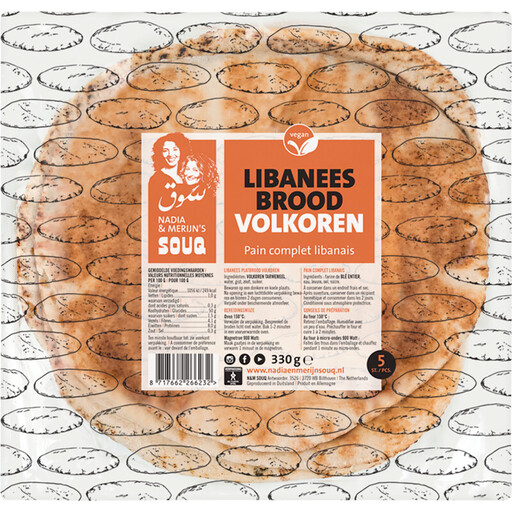 Image unavailable
Souq Lebanese wholemeal flatbread, 6 pieces
An option if you’d prefer flatbread to a regular slice of bread for a late-night snack. Choose a pack of 6 that suits how much you eat, and check the latest storage and allergen information.
View at Joybuy
 Image unavailable
TastyBasics rye bread, 9 pieces
Rye bread is another option if you’re not necessarily looking for a soft slice of bread. The name indicates 9 pieces; check the nutritional and allergen information on the packaging before choosing.
View at Joybuy
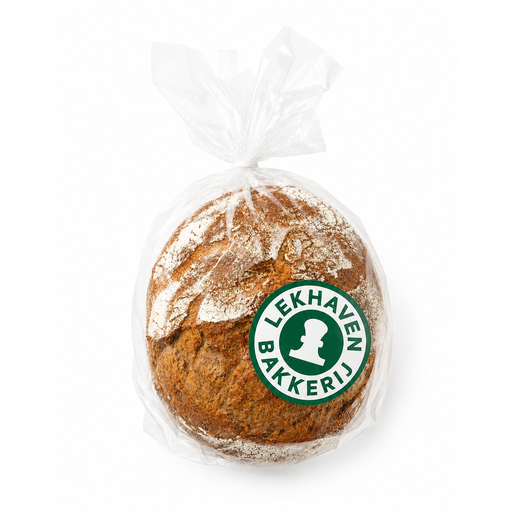 Image unavailable
Lekhaven Bakkerij round wholemeal bread, 550 g
This round loaf is suited to a planned snack, as it needs to be defrosted and baked. Check the cooking time on the latest packaging, and read the label if allergens are important to your choice.
View at Joybuy
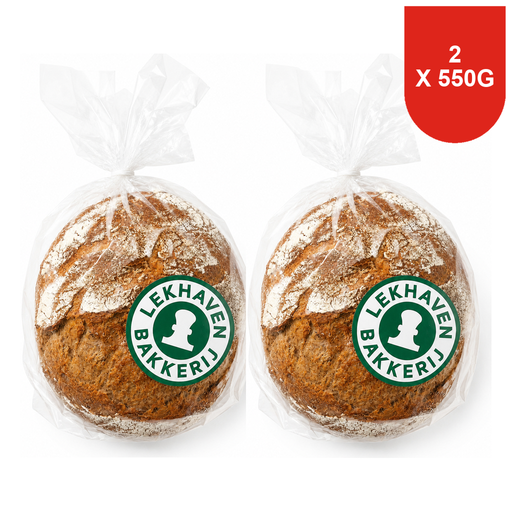 Image unavailable
Lekhaven Bakkerij round wholemeal loaves, 2 × 550 g
Two 550 g loaves are best suited to planning several baking occasions; they may be a lot of bread for an occasional late-night snack. They need to be defrosted and baked. Check the cooking time and allergen information on the packaging.
View at Joybuy
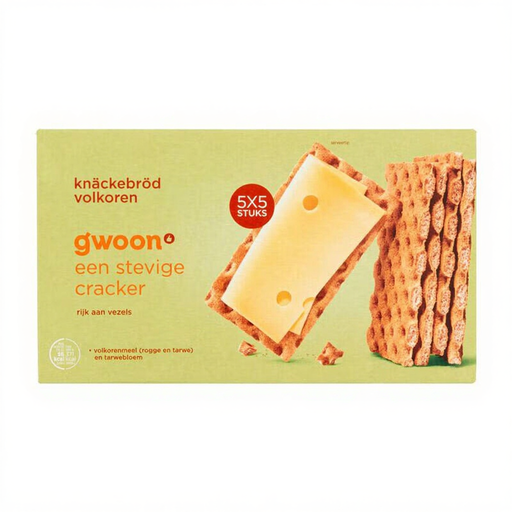 Image unavailable
g'woon wholemeal crispbread, 375 g
Choose this if you want a crunchy base for your snack, rather than the soft texture of white bread. The pack contains 375 g; check the product’s ingredients and allergen information.
View at Joybuy
Frequently asked questions
Is dark or brown bread always wholemeal?
No, don’t judge by colour alone. To choose wholemeal bread, look for the wholemeal label, then compare the ingredients and fibre content per 100 g of the bread you want to buy.
How do I choose wholemeal bread if allergens are important?
Check the latest ingredients and allergen information for the specific variety. Don’t rely on the name of the bread; for unpackaged bread, ask what allergen information is available.
How can I keep bread fresh for occasional late-night snacks?
Choose an amount that suits how much you eat and, if needed, freeze sliced bread in portions. Follow the storage instructions on the packaging of your bread.
Can you tell from the type of bread whether it contains iodine?
No, the type of bread alone won’t tell you. Check the ingredients of the specific bread, and if you have a specific question about baker’s salt, ask the seller or manufacturer for information.


