What should you consider when choosing?
First, consider whether the type of bread suits the person’s tastes, then check the ingredients and nutritional information. Familiar flavour, a clear wholemeal option and ease of eating can all point to different choices.
Fine wholemeal bread
A good choice when: Fibre and nutritional value are the priorities, and the person finds the texture comfortable.
Consider: Even fine wholemeal bread should be assessed for ease of eating if someone has difficulty chewing.
Brown bread or a flour blend
A good choice when: Someone who is used to white bread wants to try a loaf with a different composition.
Consider: According to Albert Heijn, brown and multigrain bread can also contain white flour; the colour doesn’t prove that the bread is entirely wholemeal.
White bread
A good choice when: Personal preference for this bread is the deciding factor at coffee time.
Consider: The Netherlands Nutrition Centre describes white bread as less nutritious than wholemeal bread, so it isn’t an equivalent choice when nutritional value is the priority.
| What to consider |
What to check when buying |
Especially relevant to |
| Fibre and nutritional value |
Look for ‘wholemeal’ in the product name and compare fibre content on a like-for-like basis, preferably per 100 g. |
If nutritional value is my main concern, I want to know which flour has been used rather than judging by the colour of the bread. This is the top priority for around 45% of consumers. |
| Familiar flavour and ingredients |
For brown bread or a blend, check whether the ingredients list includes wholemeal flour, white flour or both. |
People who are used to white bread may want to try another type without taking the word ‘blend’ at face value. This consideration comes first for around 33% of consumers. |
| Ease of eating and portion size |
Check that the slice and crust suit the person; choose a suitable loaf size or freeze portions. |
If chewing is difficult or bread is only eaten occasionally, I want the portion to be comfortable to eat and not go to waste. This is the main concern for around 22% of consumers. |
Bread options on Joybuy
These options include a loaf for anyone comparing types of flour, as well as two types of rye bread. Rye bread isn’t the same as a loaf made with a blend of white flour and wholemeal flour, so compare the type of bread and its ingredients with what suits your coffee break.
 No image available
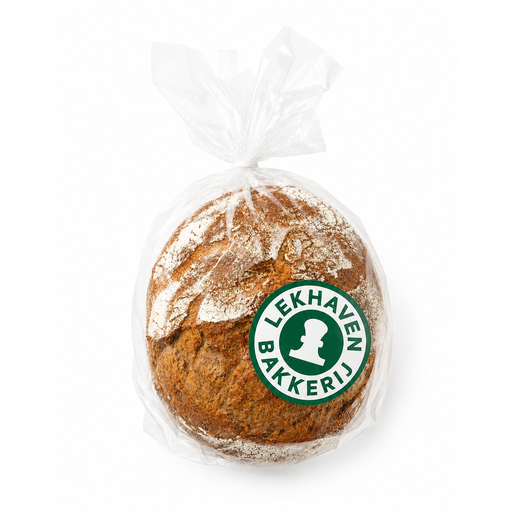
Lekhaven Bakery Whole Wheat Country Round Loaf 550 g
An option if you’re considering a loaf made with wholemeal flour and white flour for your afternoon coffee. The loaf weighs 550 g; if the ratio of flours matters to your choice, check the packaging.
This bread needs to be defrosted and baked in an oven. If chewing is difficult, assess the finished crust and texture separately.
View on Joybuy
 No image available
TastyBasics Rye Bread, 9 pieces
This rye bread is a different type to compare if its ingredients matter more than switching to a white and wholemeal blend. The pack contains 9 pieces.
Don’t assume the flavour or texture will suit someone used to white bread or who has difficulty chewing just because of the type of bread.
View on Joybuy
 No image available
Bolletje Rye Bread Bun 500 g
This 500 g rye bread is an option to compare by bread type and ingredients, not a confirmed white and wholemeal blend. Check the grain composition on the packaging before considering it entirely wholemeal.
If chewing is difficult, assess the actual texture for each person; the name of the bread won’t tell you whether it’s suitable.
View on Joybuy
Frequently asked questions
Is brown bread always wholemeal?
No. According to Albert Heijn’s guide to bread, brown bread can also contain white flour, while the name ‘wholemeal’ indicates that the bread is made from 100% wholemeal flour. So, when choosing bread for afternoon coffee, check both the product name and the ingredients.
Is white bread as nutritious as wholemeal bread?
No. The Netherlands Nutrition Centre describes white bread as less nutritious than wholemeal bread. If the person eating it is particularly mindful of fibre and nutritional value, compare wholemeal bread and any other options using the ingredients and nutritional information per 100 g.
Does bread always contain iodine?
You can’t assume this for every loaf. The Netherlands Food and Consumer Product Safety Authority explains that iodine may be present in bread through baker’s salt. If this matters to you, check the ingredients list on packaged bread before buying.
How should I store bread if only a few slices are eaten with coffee?
It’s best to freeze the bread in portions as soon as you buy it, then take out what you need. This follows the Netherlands Nutrition Centre’s storage advice and means you don’t have to defrost the whole loaf each time.
Which bread should I choose if someone has difficulty chewing or a poor appetite?
Don’t choose based on the type of bread alone: check whether the slice and crust are comfortable for the person to eat. The Netherlands Nutrition Centre notes that a reduced appetite and difficulty chewing can make it harder to eat enough. Speak to a doctor, dietitian or other healthcare professional about persistent symptoms, swallowing difficulties or unintended weight loss.


