
Breakfast lovers looking for wholegrains and fibre
You want to build your weekend breakfast around wholegrains and check the label to see which grain has been used and how much fibre the product contains per 100 g.


For a soft weekend bowl, choose a cereal with wholegrain at the top of the ingredients list. If you’re after something crunchy with yoghurt or milk, compare bran flakes and other flakes separately. In either case, check the fibre, sugars and salt per 100 g, and if you have a food allergy, always check the label on the pack you buy.
You want to build your weekend breakfast around wholegrains and check the label to see which grain has been used and how much fibre the product contains per 100 g.
You enjoy flakes with yoghurt or milk, but want to compare the ingredients, sugars and salt as well as the texture.
Your choice depends mainly on sugars, sweeteners, salt or allergens. If you have a food allergy, the information on the pack you buy is what matters.
First decide whether you want a soft grain base or crunchy flakes. Then compare products of the same type per 100 g: according to the Voedingscentrum, the ingredient present in the largest amount appears first in the ingredients list.
| What to consider | What to check when buying | Who it matters to |
|---|---|---|
| Wholegrains and fibre | Check which grain appears first in the ingredients list and compare the fibre per 100 g. | When I’m looking for a wholegrain base for my weekend breakfast, I don’t want to rely on the front of the pack alone. For around 42% of these consumers, wholegrains and fibre are the top priorities. |
| Sugars, salt and allergens | Check the sugars and salt per 100 g, and look at the ingredients and allergen information on the pack. | I want to know what’s going into my bowl alongside the grains and fibre, especially if I need to avoid an allergen. Around 33% of these consumers prioritise checking the label. |
| Texture and preparation | Check whether the product is intended to be prepared soft or served as flakes with milk or yoghurt; also check the serving size shown. | For my weekend bowl, it makes a difference whether I want warm porridge or something crunchy. Around 25% of these consumers prioritise how it’s served. |
The fibre content doesn’t tell you how much sugar the product contains too. Albert Heijn’s product information states that AH Bran flakes volkoren contains 15 g of fibre and 12 g of added sugars per 100 g.
Read the ingredients list and compare the fibre, sugars and salt on the same per-100 g basis.
According to Jumbo’s product information, Jumbo Special Flakes contains maltitols and 1,15 g of salt per 100 g. So the sugar information doesn’t tell you about sweeteners or salt.
Check these separately, along with the fibre and any allergens.
Nutrition information may be shown per serving or per 100 g. Unless you’re using the same quantity as a basis, you can’t compare the figures directly.
First compare products per 100 g, then use the serving values to work out how much you want to serve.
If you have a food allergy, the ingredients list or warning on a product page you viewed earlier may differ from the pack you eventually buy.
Before eating, check the allergen information and any ‘may contain’ warning on the pack.
These examples show how features can vary between products; a value quoted for one product doesn’t automatically apply to other products from the same brand.
Brinta Volkoren graanontbijt is an example for anyone looking for a soft grain base rather than crunchy flakes.
Special K Original and All-Bran Fibre Plus have different ingredients and nutritional values for you to compare with your own preference for flakes or bran.
AH Bran flakes volkoren is a specific example to compare if you’re looking for wholegrain bran flakes to have with milk or yoghurt.
Jumbo Special Flakes is an example for anyone looking for flakes with no added sugars who wants to assess sweeteners separately.
These Joybuy products are suited to a warm or soft breakfast bowl. If you’re specifically looking for crunchy flakes to have with yoghurt or milk, use the labels and points above to assess that type of product.
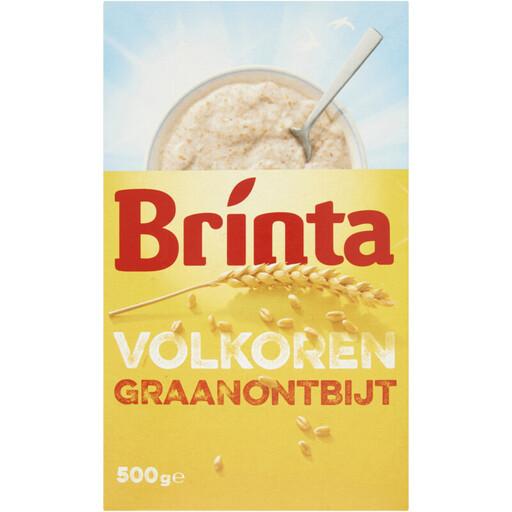 Image unavailable
This cereal is suited to a warm, soft weekend bowl, rather than for anyone looking for crunchy flakes.
Check the ingredients, nutrition information per 100 g and allergens on the pack if they affect your choice.
 Image unavailable
This porridge is a good choice if you want to make a soft breakfast bowl rather than serve crunchy flakes.
If wholegrains or salt content are key to your decision, compare the information on the packaging.
 Image unavailable
This porridge is suited to a soft weekend bowl, rather than a breakfast where the flakes need to stay crunchy.
If wholegrains are essential to your choice, check whether the packaging describes the oats as wholegrain. Also read the latest allergen information.
Check which grain appears first in the ingredients list; according to the Voedingscentrum, this is the ingredient present in the largest amount. Then compare the fibre, sugars, saturated fat and salt per 100 g, rather than relying on the front of the pack alone.
Not necessarily: that information alone doesn’t tell you about salt, fibre or sweeteners. For example, according to Jumbo, Jumbo Special Flakes contains maltitols and 1,15 g of salt per 100 g. Consider which features matter for your breakfast.
Choose a product intended for soft preparation if you want warm porridge, and compare flakes if you’re after a crunchy bowl with yoghurt. Whatever you add to your bowl will change the ingredients and nutritional value of the complete breakfast.
Check the current ingredients and allergen information on the pack you buy, including any ‘may contain’ warning. The Voedingscentrum lists cereals containing gluten, including wheat, rye, barley and oats, among the allergens that must be clearly declared.