Who are wholegrain breakfast flakes for?

Busy breakfast eaters looking for a wholegrain option

If you want to put together a bowl of cereal without cooking, look beyond the front of the box. Compare the ingredients and nutrition information per 100 g so you can assess the wholegrain cereal and the amounts of fibre, sugars and salt separately.

Shoppers weighing up fibre and different flavours

A bran mix or fruit variety may appeal if fibre matters to you. Check the sugars on the label too: the amount can vary from one product to another, regardless of how much it emphasises wholegrains.

Shoppers who need to check allergens

If you have a relevant allergy or need to avoid gluten, the information on the specific pack matters. Wheat and barley feature in the breakfast cereals reviewed, so don’t judge suitability by the product name alone.

What should you look for in wholegrain breakfast flakes?

First decide whether you want flakes that can go straight into a cold bowl. Then compare products per 100 g and, finally, check the ingredients and allergen information on the pack you choose.

What to consider What should you check? Who is this most important for?
Wholegrains and fibre Check which grains are wholegrain and compare fibre per 100 g. I want a quick bowl with wholegrain cereal and consider fibre content essential; for around 50% of consumers, this combination comes first.
Sugars and salt Compare sugars and salt per 100 g, and read the ingredients list, especially for flavoured varieties. I like the sound of a fruity variety, but want to take sugars and salt into account too. For around 33% of consumers, this balance is the top priority.
Allergens and your breakfast bowl Check the allergens on the pack and make sure the preparation method suits the milk, yoghurt or plant-based alternative you want to use. I need to know whether the product is suitable for me and whether I can prepare it on a busy morning; for around 17% of consumers, that’s the main question.

Common mistakes when choosing

  • Relying only on ‘wholegrain’ or ‘with vitamins’

    Wholegrain doesn’t tell you how much sugar or salt a breakfast cereal contains. Kellogg's Nederland lists 15 g of sugars and 0.84 g of salt per 100 g for Special K Original.

    Compare fibre, sugars and salt on the same basis, then read the ingredients list.

  • Assuming a fruit variety is automatically low in sugar

    A mix can contain wholegrains and fibre yet have a different sugar content from a plain flake. Albert Heijn lists 8.8 g of fibre and 23 g of sugars per 100 g for Kellogg's All-Bran Fruit 'n Fibre.

    Decide whether fibre, sugars or flavour matters most to you, and assess your chosen product on all three.

  • Trying to identify allergens from the front of the box

    A mention of wholegrains or fibre doesn’t tell you whether a product is suitable for someone who needs to avoid certain ingredients. According to Kellogg's Nederland, Special K Original contains wheat and barley, among other ingredients.

    Read the current ingredients and allergen information on the packaging. If you need a gluten-free option, don’t rely on the absence of wheat from the product name alone.

  • Relying on a label you checked earlier

    Albert Heijn points out that product ingredients, nutrition information and allergen details can change.

    Use product pages to compare options, then check the label on the pack you actually buy before use.

Brands to consider

Kellogg's

Special K Original and All-Bran Fruit 'n Fibre show why the specific cereal matters more than the brand name.

  • According to Kellogg's Nederland, Special K Original contains 37% wholegrain wheat; the label lists 6.0 g of fibre, 15 g of sugars and 0.84 g of salt per 100 g.
  • For All-Bran Fruit 'n Fibre, Albert Heijn lists 70% wholegrain wheat, 8.8 g of fibre and 23 g of sugars per 100 g. Assess these products separately.

Albert Heijn

AH Bran flakes volkoren is a supermarket own-brand product to compare with other flakes.

  • The product name makes it clear which variety to look for when comparing options.
  • Albert Heijn recommends checking the packaging for the latest ingredients, nutrition information and allergen details.

Jumbo

Jumbo’s breakfast cereal range includes Special Flakes, Cornflakes and wholegrain oat flakes.

  • These different product types give you a starting point for comparing flakes with an alternative for your breakfast bowl.
  • Check the ingredients and nutrition information for each product you choose; a range name doesn’t describe the composition of every variety.

Brinta

Brinta Volkoren graanontbijt, listed in Jumbo’s breakfast cereal range, is a different type of product from crunchy flakes.

  • It’s an option to consider if you’re not specifically looking for flakes.
  • Check that the preparation and texture suit the time you have in the morning.

ALDI / Golden Bridge

ALDI lists Golden Bridge 7-granen volkoren ontbijt as one of its breakfast cereals.

  • The product name helps distinguish this wholegrain variety from the brand’s other breakfast cereals.
  • Compare fibre, sugars and salt on the current pack, and check its allergen information too.

Lidl

Lidl lists a 7-grain breakfast cereal made with wholegrains as one possible option.

  • It gives you a specific product name to use when comparing options.
  • Check the label on the pack you choose for its ingredients, nutrition information and allergens.

Breakfast cereals on Joybuy

These products range from flakes for a cold bowl to cruesli, porridge oats and a hot cereal breakfast. So first choose the type of product that suits your morning, then compare the labels.
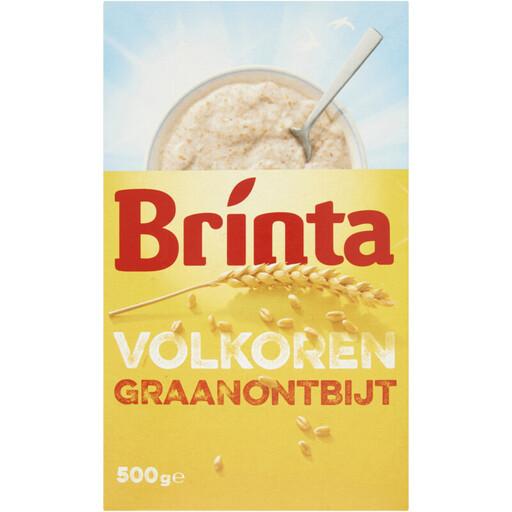
Brinta Whole Wheat Cereal Breakfast 500 g

Brinta Whole Wheat Cereal Breakfast 500 g

For anyone considering a hot cereal breakfast instead of flakes that can go straight into a cold bowl. Bear the preparation in mind, and check the current label if wheat or gluten is relevant to you.

View on Joybuy
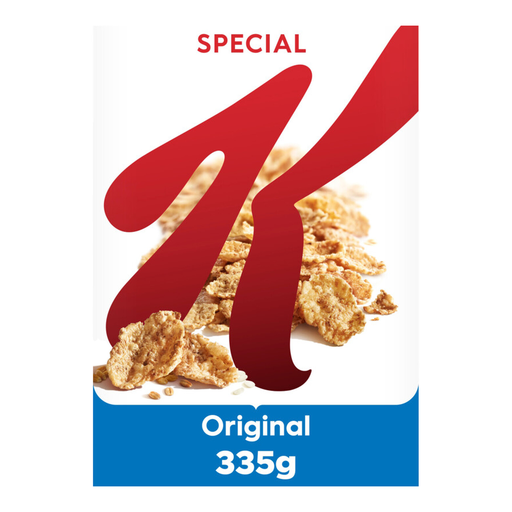
Kellogg's Special K Original 335 g

Kellogg's Special K Original 335 g

Flakes for anyone looking for a quick cold breakfast bowl. According to Kellogg's Nederland, Special K Original contains 37% wholegrain wheat; per 100 g, it lists 6.0 g of fibre, 15 g of sugars and 0.84 g of salt. It also contains barley, so check the pack if you need to avoid gluten.

View on Joybuy
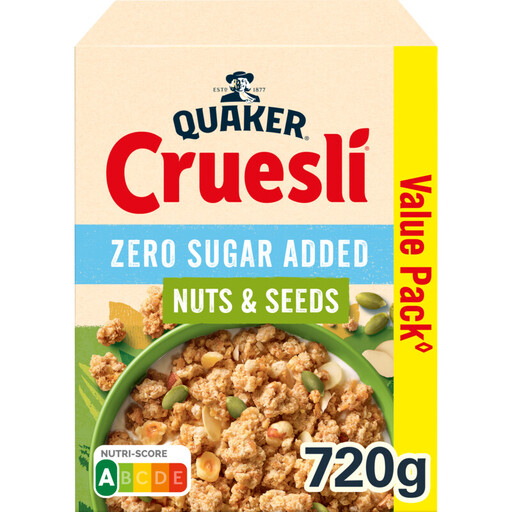
Quaker Zs Cruesli Nuts & Seeds 720 g

Quaker Zs Cruesli Nuts & Seeds 720 g

For anyone who prefers cruesli with nuts and seeds to plain flakes. Compare the nutrition information per 100 g with other breakfast cereals, and check the allergens on the packaging if nuts or grains are relevant to you.

View on Joybuy
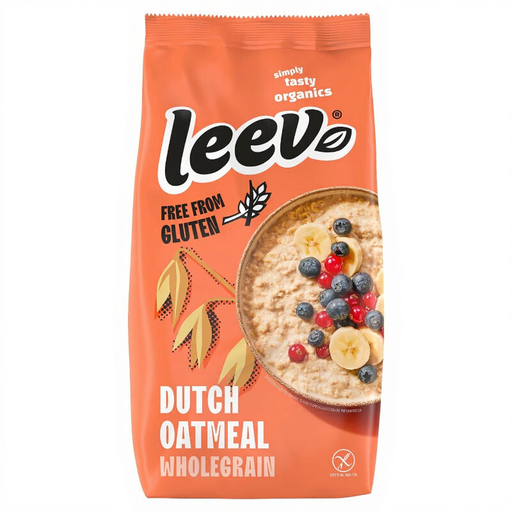
Leev Dutch Oatmeal 450 g

Leev Dutch Oatmeal 450 g

Porridge oats for anyone who isn’t set on crunchy flakes. Don’t rely on a gluten-free claim without checking the current pack: the available product information is contradictory about gluten.

View on Joybuy
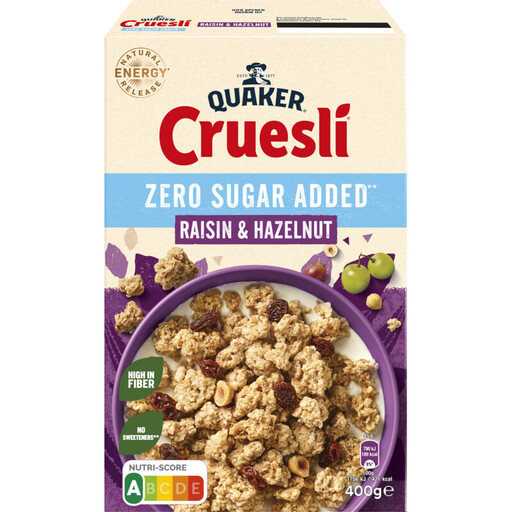
Quaker Zs Cruesli Raisin & Hazelnut 400 g

Quaker Zs Cruesli Raisin & Hazelnut 400 g

A cruesli variety for anyone who prefers raisins and hazelnuts to plain flakes. Check sugars per 100 g separately from fibre content, and read the allergen information on the current pack.

View on Joybuy

Frequently asked questions

Is ‘wholegrain’ enough to help me choose breakfast flakes?

No, compare the rest of the information on the label too. According to the Voedingscentrum, wholegrain cereal products contain more fibre and other nutrients than refined grain products. But when choosing between breakfast flakes, the ingredients and the amounts of fibre, sugars and salt per 100 g are still relevant.

What’s best for a breakfast bowl that needs to be ready quickly?

Flakes you can eat straight away with cold milk or yoghurt take less preparation than a hot cereal breakfast. Check that the product type suits the milk, yoghurt or plant-based alternative you want to use, and follow the preparation instructions on the packaging.

Can I choose wholegrain flakes if I need to avoid gluten?

Only if the specific product is suitable for your needs. For example, Kellogg's Nederland lists wheat and barley in Special K Original. If you need to avoid gluten, check the current ingredients, allergens and any gluten-free statement on the pack.

Where can I find allergen information for breakfast cereals?

Check the packaging of the product you’re buying. The Netherlands Food and Consumer Product Safety Authority states that designated allergens must appear on the labels of pre-packed foods. Also check the full ingredients list and any warnings.
