What should you look for when choosing?
The kind of weekend breakfast you want can help narrow down your options: porridge needs preparing, while a crunchy mix or flakes can go straight into a cold bowl. Then compare products within your chosen category by looking at their ingredients and nutritional information.
Warm wholegrain wheat porridge
A good fit for: a warm base that you can top with fruit or other ingredients.
Bear in mind: you’ll need to heat and stir it; wheat porridge isn’t gluten-free.
Plain oats
A good fit for: anyone looking for a single-grain base for a warm bowl or breakfast with yoghurt.
Bear in mind: what you add yourself and, if you have coeliac disease, the information on the packaging.
Cruesli or granola
A good fit for: a crunchy bowl with yoghurt or quark, perhaps with nuts or seeds.
Bear in mind: ingredients, nutritional values and allergens vary between products.
Flakes
A good fit for: anyone who wants a bowl of cereal with no preparation.
Bear in mind: the grain mix and sugar content; wholegrain ingredients don’t mean a product is unsweetened.
| What to look for |
What to check before buying |
Who it matters to |
| Wholegrain base and fibre |
Look for wholegrain cereal or wholemeal flour in the ingredients list, and compare fibre per 100 g across similar products. |
If I want a simple grain base, I look beyond the wording on the front of the pack. Around 36% of consumers put a wholegrain base and fibre first. |
| Sugars and your own toppings |
Check the ingredients list and ‘of which sugars’ per 100 g; that figure alone doesn’t tell you how much sugar has been added. |
I want to decide for myself how my breakfast tastes and what to add. For around 29% of consumers, having control over added sugar matters most. |
| Crunch and ingredients |
Compare the nutritional values per 100 g and check for ingredients such as nuts, seeds and gluten-containing grains. |
A crunchy bowl makes weekend breakfast more appealing to me, but the exact mix needs to suit me. Crunch, taste or protein comes first for around 21% of consumers. |
| Preparation and convenience |
Read the preparation instructions and serving size: do you want to make a warm bowl, or eat cereal straight away with yoghurt or milk? |
I prefer to choose based on how much time and effort I want to spend on breakfast. Around 14% of consumers put the preparation method first. |
Brands and product ranges to help you choose
Even within the same brand, porridge, oats, flakes and cereal mixes can vary considerably. Use the products mentioned as useful examples, and always check the particular product you’re thinking of buying.
Brinta
Brinta Volkoren is a wheat product for a warm bowl of porridge. Albert Heijn’s product information lists it as 100% wholegrain wheat.
- A familiar warm wholegrain wheat base that you can top with your own ingredients.
- Contains wheat; check the current packaging for ingredients and allergens.
Quaker
Quaker offers both oats for a simple bowl and crunchy cereal mixes with added ingredients.
- Quaker Nederland lists Havermout Original as 100% wholegrain oats.
- You can’t assume a Cruesli product has the same ingredients and allergens as plain oats.
Cruesli (Quaker-productlijn)
Cruesli is Quaker’s crunchy product range, not a separate brand or another name for plain oats.
- The range includes cereal mixes with different ingredients for a crunchy bowl.
- Check the nutritional values and allergens for each product, including any nuts or gluten-containing grains.
Kellogg's
According to Kellogg's Nederland, Special K Original is a ready-to-eat mix of rice, wholegrain wheat and barley flakes.
- A flakes option if you don’t want to make porridge.
- Kellogg's Nederland lists 15 g of sugars per 100 g for Special K Original; compare this with the nutritional values of the product you’re considering.
Albert Heijn
The own-brand range includes different types of breakfast cereal, including grain-based cereals, oats and muesli.
- For AH Volkoren graanontbijt, Albert Heijn lists 99% wholemeal wheat flour in the ingredients.
- That composition doesn’t automatically apply to other own-brand products; read the packaging for the product you choose.
Nestlé
Nestlé makes breakfast cereals in various forms, including flakes and crunchy options.
- According to information from Nestlé Breakfast Cereals on a Dutch-language Belgian producer page, wholegrain ingredients are listed first for the range described there.
- Don’t assume this applies to every Dutch pack; check the ingredients of the product you choose.
Breakfast cereals and oats on Joybuy
These products show two options for weekend breakfast: oats or wheat porridge for a bowl you prepare yourself, and crunchy cereal mixes to serve with yoghurt, for example. The right ingredients depend on the exact packaging and what you choose to add.
 Image unavailable
Quaker Oatmeal 600 g
An oat base for anyone who wants to choose their own fruit or other toppings for a weekend bowl.
Pack size: 600 g. If you have coeliac disease, check for the official Crossed Grain symbol on the current packaging; also read the allergen information.
View on Joybuy
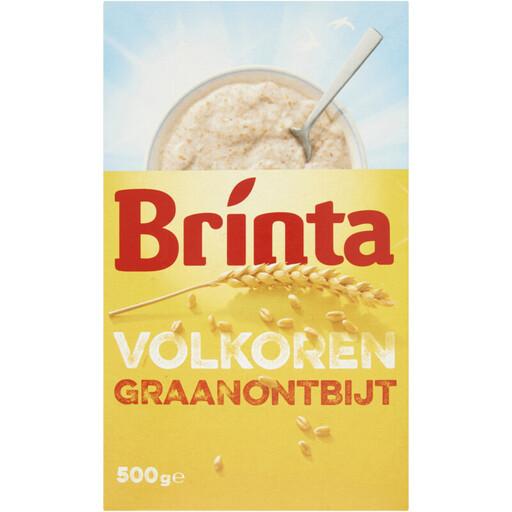 Image unavailable
Brinta Whole Wheat Cereal Breakfast 500 g
A wheat porridge for anyone who wants to make a warm bowl and choose the other ingredients themselves.
Pack size: 500 g. As it contains wheat, this isn’t a gluten-free option. Check the current ingredients list if added sugars are important to your choice.
View on Joybuy
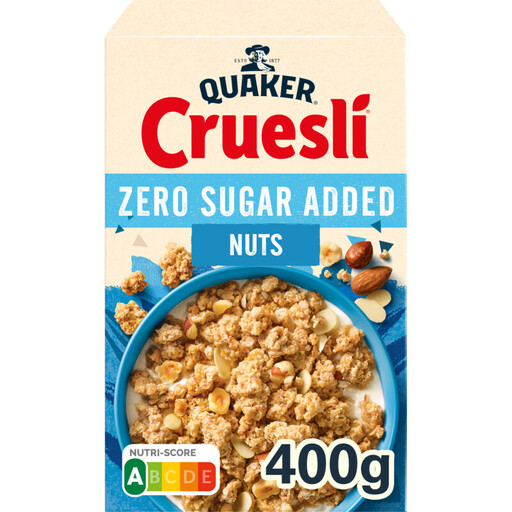 Image unavailable
Quaker Cruesli Nuts Zero Sugar 400 g
A crunchy nut Cruesli for anyone who likes to eat cereal with yoghurt or milk.
Pack size: 400 g. Check the current nutritional information rather than relying on the product name as a full description of its sugar content. If you have an allergy, check the information on nuts, grains and possible traces.
View on Joybuy
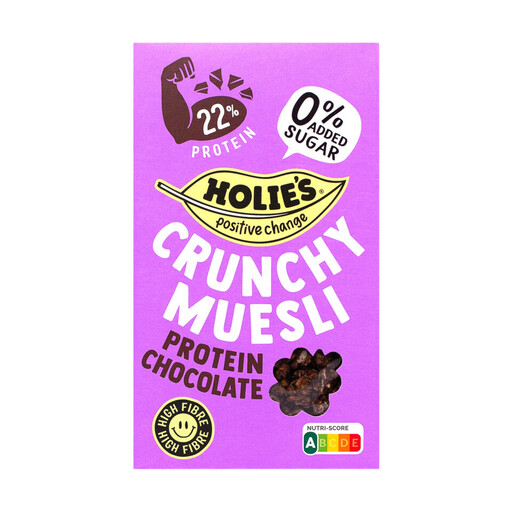 Image unavailable
Holie's Crunchy Muesli Protein Chocolate 400 g
A crunchy chocolate-flavoured muesli for anyone who prefers a cold bowl to porridge.
Pack size: 400 g. Compare this muesli’s nutritional information with that of other mixes. Also check the current information on cereals, milk, nuts and peanuts if those allergens are relevant to you.
View on Joybuy
 Image unavailable
Quaker Express Oatmeal 324 g
Oats for anyone who wants a warm breakfast bowl without spending the weekend focused on preparation.
Pack size: 324 g. Read the ingredients list if added sugars matter to you. If you have coeliac disease, check for the official Crossed Grain symbol and read the allergen information on the current packaging.
View on Joybuy
Frequently asked questions
How can I identify wholegrain breakfast cereals?
Check the ingredients list to see which grains or flours are described as wholegrain. Then compare fibre, sugars and salt per 100 g. According to the Netherlands Nutrition Centre, breakfast cereals can vary considerably because of their other ingredients.
Should I choose oats or Cruesli for a weekend breakfast?
Choose oats if you want a simple base you can customise; choose Cruesli if crunch is what matters most in your bowl. With oats, the final ingredients also depend on what you add, while with Cruesli you’ll need to compare the ingredients and nutritional values of the particular mix.
Are ordinary oats suitable for people with coeliac disease?
Don’t assume so just because the product is called ‘oats’. The Netherlands Nutrition Centre highlights the risk of gluten contamination in oat products and recommends checking for the official Crossed Grain symbol on the packaging when choosing products for someone with coeliac disease.
Where can I find allergen information on Dutch packaging?
For prepacked foods, allergens are listed and clearly highlighted in the ingredients list. The Netherlands Food and Consumer Product Safety Authority says that for gluten-containing cereals, the specific type of grain must be stated. Always read the current packaging for the product you choose.
Why should I still read the packaging if I’ve already compared products online?
The current packaging is the best place to check the ingredients, nutritional values and allergens for the product you’re buying. Albert Heijn warns in its product information that these details may change.


