What should you look for when choosing?
Start with what matters most for this lunch: wholegrains and fibre, a texture your child will enjoy, or the ingredients in the specific product. Then compare varieties using the same nutritional basis.
| What to consider | What to look for | Who is this most important for? |
|---|
| Wholegrains and fibre |
Look for the wholegrain description and compare fibre per 100 g; multigrain does not automatically mean wholegrain. |
I want to choose a crunchy lunch base that prioritises fibre, even if the flavour takes a little getting used to. Around 46% of consumers give this need top priority. |
| Flavour and crunch |
Compare plain and wholegrain options within the same type of toast; try the texture with a topping your child knows. |
My child is more likely to eat something thin and crunchy than a substantial sandwich, so texture determines whether lunch works. For around 36% of consumers, acceptance comes first. |
| Ingredients and labelling |
Check the allergen information and salt content per 100 g. If iodine is one of your reasons for buying, look for an explicit mention of baker’s salt or ask the manufacturer. |
When choosing food for my child, the ingredients and allergens need to be suitable first; I also want to be able to compare the salt content. Checking the label is the top priority for around 18% of consumers. |
Toast and crunchy alternatives at Joybuy
Below is one type of Melba toast for anyone looking for a light, crunchy option. The other products are crackers: possible lunch bases if crunch matters more than the specific shape of toast.
 Image unavailable
Wasa High-Fiber crackers, 300 g
A cracker to consider if you’re looking at crunchy lunch bases with toppings as well as toast.
300 g pack. A cracker isn’t necessarily the same size as, or used in the same way as, Melba toast. If you have allergies, check the current label.
View at Joybuy
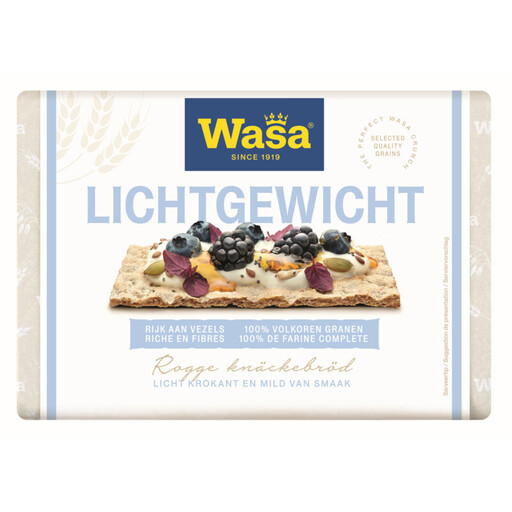 Image unavailable
Wasa Lightweight crackers, 300 g
A cracker to compare if your child enjoys a thin, crunchy base with a topping.
300 g pack. Consider the texture separately from toast, and check the ingredients and allergen information if you have allergies.
View at Joybuy
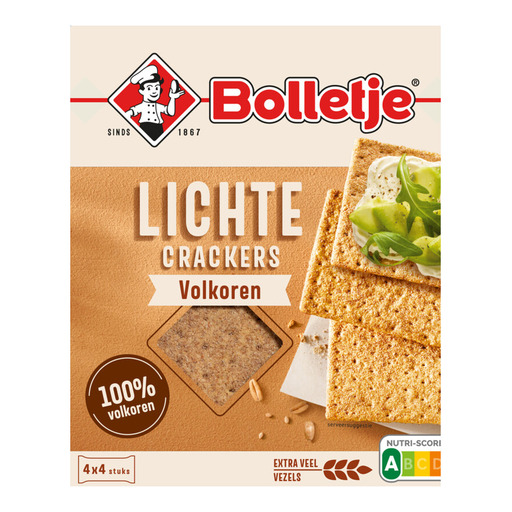 Image unavailable
Bolletje Light Whole Grain crackers, 190 g
A wholegrain cracker to consider if you’re looking for a crunchy lunch base other than toast.
190 g pack. Compare the nutritional information and allergens on the current packaging before choosing; a cracker isn’t the same as Melba toast.
View at Joybuy
 Image unavailable
Wasa Sourdough Rye crackers, 235 g
A rye cracker to consider if you want to compare a crunchy alternative to toast for lunch.
235 g pack. A rye cracker may feel different to light Melba toast; check the current allergen label too.
View at Joybuy
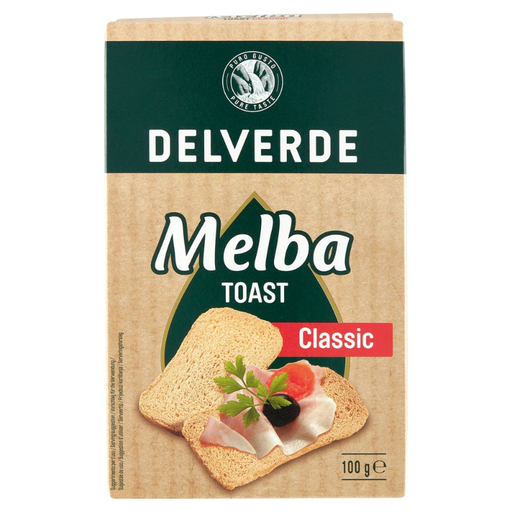 Image unavailable
Delverde Classic Melba Toast, 100 g
A type of Melba toast to consider if you want to pair a light, crunchy base with familiar toppings.
100 g pack. If wholegrains or fibre are your priority, check the description, ingredients and fibre per 100 g on the current packaging. If you have allergies, read the allergen information too.
View at Joybuy
Frequently asked questions
When should I choose wholegrain toast instead of plain for lunch?
If fibre is your main priority, the wholegrain varieties reviewed offer a clear difference: Jumbo lists 10 g of fibre per 100 g for Jos Poell Wholegrain Toast and 9.7 g for Van der Meulen Melba Wholegrain Toast, compared with 3.9 g for AH plain Melba toast according to Albert Heijn. If flavour and texture matter most to your child, try the variety that works best with familiar toppings.
Is multigrain toast automatically wholegrain?
No, the term multigrain doesn’t in itself mean that toast is wholegrain. Voedingscentrum explains that multigrain bread is made from at least three types of grain. Check the wholegrain description, ingredients and fibre per 100 g on the toast you buy.
Does salt on a toast label mean it contains iodine?
No, a mention of salt alone doesn’t confirm that baker’s salt was used in the toast. The Dutch Commodities Act defines baker’s salt as iodised table salt used in bread and other baked goods. Check the packaging or ask the manufacturer if this matters to your purchase.
Which allergens should I check in toast?
Read the allergen information on the specific pack, as the varieties reviewed list different ingredients and possible traces. For example, Jumbo lists wheat, sesame, soya, barley and rye among the ingredients for Van der Meulen Melba Wholegrain Toast. Check the current label on plain varieties too, rather than relying on the flavour name.


