
Lunch fans looking for wholegrain options
You’re looking for a crisp base and want to be able to tell whether it’s made entirely from wholegrain flour. Look for the ‘wholegrain’ label, then compare the nutritional information per 100 g.


If you want toast made entirely from wholegrain flour, look for the ‘wholegrain’ label and compare the fibre and salt content per 100 g. If wholegrain flavours aren’t popular at home yet, you can gradually combine white and wholegrain products, as recommended by the Netherlands Nutrition Centre. Assess multigrain toast separately: the name doesn’t mean the product is entirely wholegrain.
You’re looking for a crisp base and want to be able to tell whether it’s made entirely from wholegrain flour. Look for the ‘wholegrain’ label, then compare the nutritional information per 100 g.
If you’re not keen on the taste or texture of wholegrain yet, you can gradually combine white and wholegrain products. The Netherlands Nutrition Centre suggests mixing them as a way to get used to wholegrain foods.
If ingredients, allergens or salt matter to your choice, check the packaging of the specific product. Products with similar names can differ in these respects.
First decide whether your priority is 100% wholegrain, a flavour you enjoy or the ingredients on the label. Then compare products within the product category you’ve chosen.
| What to consider | What to check when buying | Who it matters to |
|---|---|---|
| Wholegrain and fibre | Look for the ‘wholegrain’ label and compare the fibre content per 100 g. | I want clear proof that my lunch base is wholegrain, rather than relying on a dark colour or the name of a grain. For around 40% of consumers, wholegrain would be their top priority when buying. |
| Taste and texture | Choose between wholegrain toast, multigrain toast or combining white and wholegrain products at home; for multigrain, check the proportion of wholegrain flour. | If wholegrain is left uneaten at home because of its taste, I want to be able to make the change gradually. For around 30% of consumers, enjoying the taste would be the main concern. |
| Ingredients, allergens and salt | Read the current ingredients and allergen list, and compare salt per 100 g. | I need to know what’s in the toast before choosing a product; its name alone isn’t enough. For around 30% of consumers, this label information would be the priority. |
According to the Netherlands Nutrition Centre, ‘wholegrain’ on crispbreads and crackers means that all the flour used is wholegrain. A multigrain product may also contain white flour: Jumbo lists 45% wholemeal wheat flour as well as wheat flour in one of its Melba multigrain toast products.
If you’re looking for a product that’s entirely wholegrain, look for the ‘wholegrain’ label. For multigrain products, check the ingredients and the stated proportion of wholegrain flour.
The label still matters, even with wholegrain toast. Albert Heijn lists 1.9 g of salt per 100 g for one of its Melba wholegrain toast products; ingredients and allergens also vary between products.
Compare salt on the same basis and check the allergen information on the packaging you buy.
A manufacturer may change a recipe, so nutritional information you looked at previously may not match the packaging in your hands.
Before use, check the ingredients, allergens, nutritional information and storage instructions on that packaging.
The Melba range includes plain, wholegrain and multigrain toast products that you can compare.
Bolletje also offers crispbread and breakfast crackers as a crunchy base for lunch.
This ALDI own-brand range is worth considering if you’re also looking at crackers as a base for lunch.
These are crispbreads or crackers for anyone looking for a crunchy lunch base other than toast. They aren’t, by themselves, a mix of white and wholegrain toast; compare the product type, packaging and nutritional information with what you’re looking for.
 Image unavailable
A rye crispbread to consider if you’d prefer a crunchy base other than toast.
Pack size: 235 g. Check the current ingredients and allergen information on the packaging.
 Image unavailable
For anyone looking for a wholegrain lunch base and wanting to use crispbread instead of toast.
Pack size: 265 g. Check the current nutritional information and allergens on the packaging for the variety you choose.
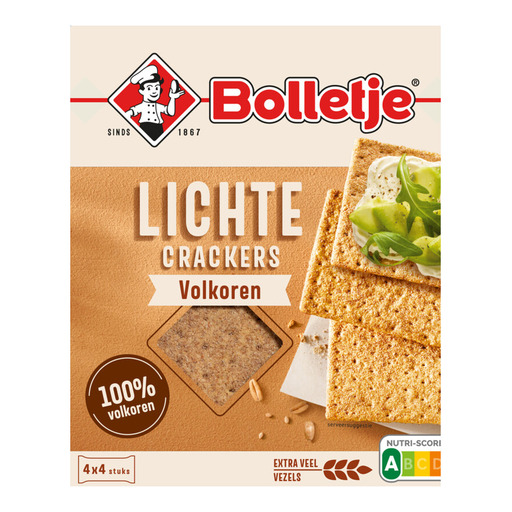 Image unavailable
Thin wholegrain crackers for anyone considering crackers as a lunch base; these aren’t toast.
Pack size: 190 g. The ‘Light’ name alone doesn’t tell you which nutritional value matters most for your comparison; check the label for details.
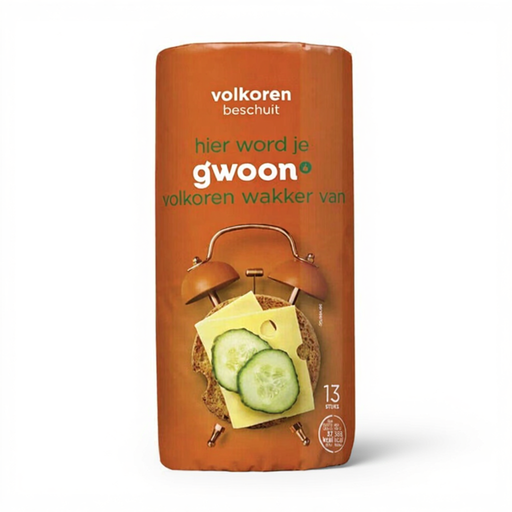 Image unavailable
A wholegrain crispbread to compare if you’re looking for a base for toppings beyond toast.
Pack size: 125 g. Check the ingredients, allergens and nutritional information on the current packaging.
No. According to the Netherlands Nutrition Centre, ‘wholegrain’ on toast products means that all the flour used is wholegrain; ‘multigrain’ doesn’t guarantee this. For example, Jumbo lists both 45% wholemeal wheat flour and wheat flour in one of its Melba multigrain toast products.
Start by combining white and wholegrain products, then gradually increase the proportion of wholegrain. The Netherlands Nutrition Centre suggests mixing them as a way to get used to wholegrain; a multigrain product isn’t automatically the same as a mix of white and wholegrain products made at home.
No. Also consider the product type, ingredients, fibre and salt, and compare nutritional values on the same basis, for example per 100 g. Also check the size of the portion you actually eat.
Follow the storage advice on the packaging for your variety. Instructions may vary between products; for example, Jumbo recommends storing one of its Melba multigrain toast products in a cool, dry place.