What should you look for when choosing?
First decide whether you want small wholegrain toast bites or are also considering larger toast alternatives. Then compare the packaging and nutritional information for the exact products you plan to serve.
| What to consider | What to check before buying | Who it matters to |
|---|
| Wholegrain and fibre |
Check for the ‘wholegrain’ label, the grain ingredients and the fibre per 100 g. |
If I’m specifically looking for wholegrain toast bites, I want to know whether a high-fibre cracker really uses the same type of grain. For around 42% of consumers, wholegrains and fibre are the main priority. |
| Ingredients and allergens |
Read the allergen declaration and any ‘may contain’ information on the packaging of the exact variant. |
If guests need to avoid certain ingredients, I want to be able to check each product individually before serving it. Ingredients and allergens are the main concern for around 33% of consumers. |
| Using it on a sharing platter |
Compare the size with your toppings, and check the salt per 100 g and how the product is packaged. |
For small topped bites, I want to know whether the base suits the portions I have in mind; a larger cracker isn’t automatically interchangeable with toast. Around 25% of consumers prioritise this ease of use. |
Toast alternatives on Joybuy
These granary toasts, crackers and crispbreads are worth considering as a base for King’s Day snacks. Choose them for their own shape and ingredients; they aren’t automatically the same as small wholegrain party toast bites.
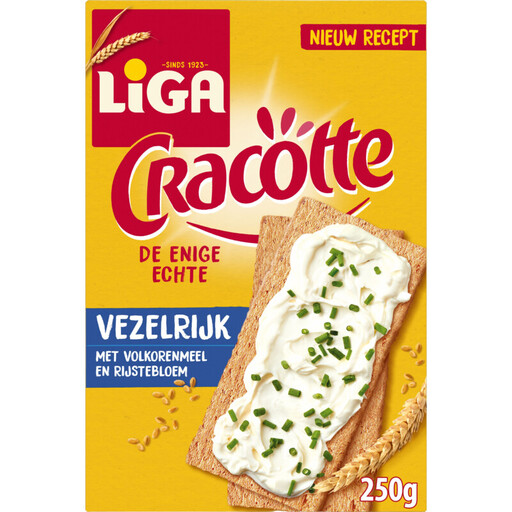 Image unavailable
LiGA Cracotte High Fiber, 250 g
A granary toast to consider if you’re looking for an alternative to small toast bites for your toppings.
Compare the fibre per 100 g with any per-portion values on the packaging. If anyone has an allergy, check the ingredients and allergen declaration for this variant too.
View on Joybuy
 Image unavailable
Wasa High-Fiber Crackers, 300 g
A cracker for anyone who would rather serve this product shape than small party toast bites.
Check that the size works with your toppings, and read the grain ingredients and allergen information on the packaging.
View on Joybuy
 Image unavailable
Bolletje Volkoren Knäckebröd, 265 g
Crispbread to consider if you don’t need a small toast bite as the base for your snacks.
Compare the size with the toppings you have in mind and, if anyone has an allergy, check the packaging for this variant.
View on Joybuy
Frequently asked questions
When can toast be labelled ‘wholegrain’?
According to the Netherlands Nutrition Centre, toast can be labelled ‘wholegrain’ if it’s made entirely from wholemeal flour. If it only says ‘with wholemeal flour’ or ‘high in fibre’, don’t automatically treat that as the same claim; check the ingredients too.
Does high in fibre mean the same as wholegrain?
No. ‘High in fibre’ alone doesn’t tell you whether a product is made entirely from wholemeal flour. Check the wholegrain label, grain ingredients and fibre per 100 g separately.
What should I check if my guests have allergies?
Read the current allergen declaration for every product you plan to serve, including any ‘may contain’ information. The toast variants described here have different declarations, including for gluten-containing cereals, sesame, soya, milk and egg. The Netherlands Food and Consumer Product Safety Authority stresses that consumers must be informed about allergens present in food.
Can you tell from the ‘wholegrain’ label whether toast contains iodine?
No. The ‘wholegrain’ label says nothing about whether a product contains iodine. If this matters to your choice, check the ingredients information for the specific product.
How should I store opened toast for a party?
Follow the storage instructions on the packaging and seal an opened pack securely to help keep the toast crisp. The storage advice for the Jos Poell toast described here is to keep it in a cool, dry, dark place; for LiGA Cracotte, the advice is to store it somewhere dry and away from heat.


