
The fibre-conscious drinks party planner
Wants to serve wholegrain rye bread and compares the ingredients and fibre per 100 g, rather than judging by colour alone.


Start by checking for the wholegrain label, then compare the nutritional information per 100 g, the ingredients and the allergens. A dark colour alone doesn’t tell you enough. Sliced rye bread is a practical base for generous toppings, while crispbread makes a crunchy choice for smaller bites. If a guest needs a gluten-free diet, choose a separately checked gluten-free base instead of rye bread.
Wants to serve wholegrain rye bread and compares the ingredients and fibre per 100 g, rather than judging by colour alone.
Looks for a style to suit the bites: sliced rye bread for generous toppings or crispbread for a crunchy base.
Checks which grains and other allergens are listed on the packaging before buying. According to the Voedingscentrum, rye naturally contains gluten, so rye bread is not suitable for a guest with coeliac disease.
First decide whether you want to serve soft slices or a crunchy base. Then compare the wholegrain label, nutritional information per 100 g and the packaging label for the product you’re buying.
| What to consider | What to check when buying | Who should pay particular attention? |
|---|---|---|
| Wholegrain and fibre | Look for the wholegrain label, read the ingredients and compare fibre per 100 g; don’t judge by colour alone. | If you want to make an informed wholegrain choice, the label is more useful than a dark slice. This would be the main consideration for around 36% of consumers. |
| Texture and size | Check whether you’re buying sliced rye bread, rye and wheat bread or crispbread, and look at the portion size. | For generous or moist toppings, I’d prefer a soft base; for small, crunchy bites, I’d choose a different style. Around 29% of consumers would give the way it is served the most weight. |
| Gluten and allergens | Read the allergen information on the packaging you’ve chosen; for coeliac disease, choose a checked gluten-free base that contains no rye. | If a guest needs to avoid certain grains or other allergens, I need to know what’s in the product before serving it. For around 21% of consumers, this check would be the top priority. |
| Portions and storage | Compare pack weight and salt per 100 g, and check how the product should be stored after opening. | For one drinks evening, I want to buy an appropriate amount and know what to do with any leftovers. This would be the deciding factor for around 14% of consumers. |
Colour alone doesn’t tell you how much wholegrain or fibre a rye bread contains.
Look for the wholegrain label, read the ingredients and compare the nutritional information per 100 g. The Voedingscentrum describes wholemeal bread as bread made from 100% wholemeal flour.
According to the Voedingscentrum, rye naturally contains gluten, so it isn’t suitable for a guest with coeliac disease.
Choose a separately checked gluten-free base for that guest and prevent cross-contamination when serving.
A comparison per slice can be misleading if the portions aren’t the same size. Salt, ingredients and product style also affect your choice for the sharing platter.
Compare nutritional values per 100 g first, then consider how much you want to serve each guest.
For the Bolletje Fries rye bread described by Albert Heijn, the shelf life after opening is limited and refrigeration is recommended.
Choose an amount to suit your guests and follow the packaging instructions for any leftovers.
The Fries rye bread described by Albert Heijn is a 500 g sliced option for anyone looking for a soft base for toppings.
The 400 g variety described by PLUS combines ingredients including wholegrain rye flour, cracked rye and sourdough.
The variety described by Jumbo is wholegrain rye bread in thin slices, in a 500 g pack.
The wholegrain rye crispbread described by Jumbo is a crunchy product, not soft rye bread.
This selection includes rye bread for soft, topped bites, as well as crispbread or crackers for a crunchy base to serve with drinks. Check the current packaging if fibre, salt, ingredients or allergens will influence your choice.
 Image unavailable
An option to consider if you’re looking for rye bread to serve with toppings. The product name states that there are nine pieces; check the packaging for nutritional information and allergens.
 Image unavailable
A Bolletje rye product to consider if you’re looking for a soft base for toppings. The product name states 500 g; check the exact variety, ingredients and storage instructions on the packaging.
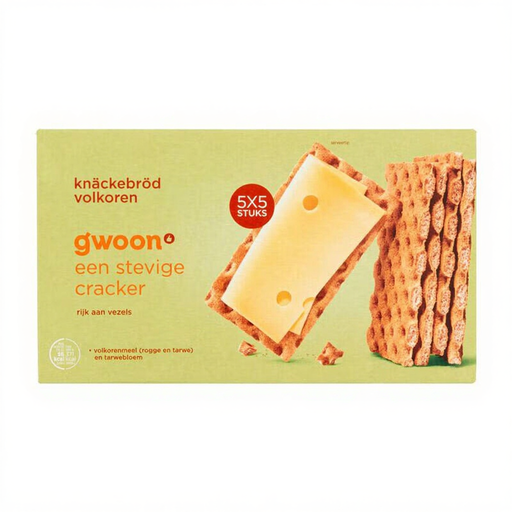 Image unavailable
A crunchy base if you don’t want to serve soft slices. The product name states that it comes in a 375 g pack; check the ingredients if you’re specifically looking for a rye product.
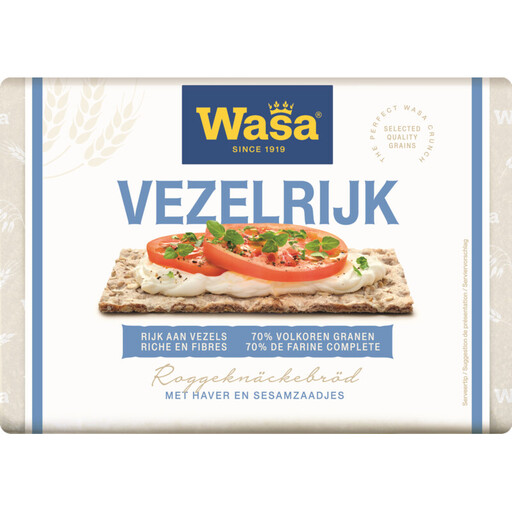 Image unavailable
A cracker to consider if you’d prefer a crunchy base to soft rye bread. The product name states 300 g; compare fibre and salt using the nutritional information on the packaging.
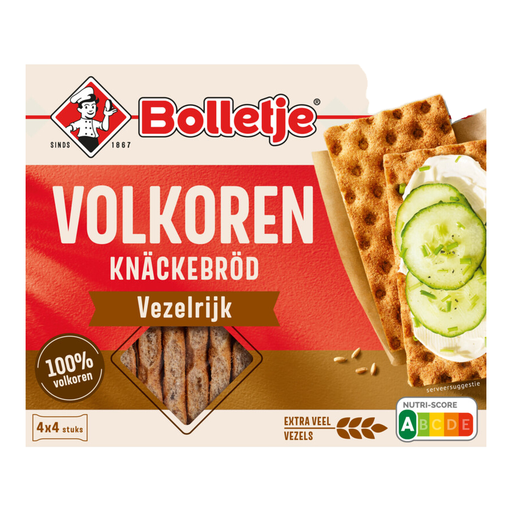 Image unavailable
A crunchy alternative for small bites to serve with drinks, rather than soft rye bread. The product name states 265 g; check the grains and allergens on the packaging.
No. Colour alone isn’t a reliable guide. Look for the wholegrain label and read the ingredients list; the Voedingscentrum describes wholemeal bread as bread made from 100% wholemeal flour.
Sliced rye bread is a good choice if you want generous or moist toppings; crispbread works well for bites that need a crunchy base. Choose the texture you want, then check the ingredients and nutritional information for the product in question.
No. According to the Voedingscentrum, rye naturally contains gluten. Choose a separately checked gluten-free base and prevent cross-contamination during preparation and serving.
Check the ingredients list for iodised salt on the specific product. The Van der Meulen variety described by Jumbo and the SOMA variety described by PLUS both list this ingredient; don’t assume it’s included just from the product type.
Follow the storage advice on the packaging and only open as much as you need to serve. Once opened, the Bolletje Fries rye bread described by Albert Heijn has a limited shelf life and should be kept sealed in the fridge.