What should you look for when choosing?
Start with the rusks you want to serve: compare wholegrain varieties by fibre per 100 g, size and number of rusks in the pack. Then assess the chocolate sprinkles separately as a topping, and check the latest ingredient information for both products.
| What to consider |
What to check |
Who it matters to |
| Fibre in the rusks |
Compare wholegrain rusks by fibre per 100 g, and check the weight of each rusk too. |
I want to serve chocolate sprinkles with drinks, but the fibre content of the rusks determines my choice of base. For around 36% of consumers considering this combination, fibre content comes first. |
| Amount of chocolate sprinkles |
Check the sugars per 100 g and, if listed, per serving; then decide how much to sprinkle on. |
I want a sweet topping without automatically adding the same amount to every rusk. The amount of chocolate sprinkles is the top priority for around 29% of these consumers. |
| Allergens |
Check both labels for ingredients and any ‘may contain’ statements. |
If I’m serving these to others, I need to know which ingredients are in both the rusks and the chocolate sprinkles. For around 21% of these consumers, this is the first thing they check. |
| Serving and storage |
Check the number and size of the rusks, as well as the storage instructions for an opened pack. |
I want to have enough rusks ready and be able to store opened packs properly until it’s time for drinks. Practical considerations come first for around 14% of these consumers. |
Brands compared
The differences below apply to the specific products and varieties mentioned, not to a brand’s entire range.
Bolletje
Bolletje’s regular and dark wholegrain rusks, compared here, are both potential bases for chocolate sprinkles.
- Albert Heijn lists 11 g of fibre per 100 g for regular Bolletje Wholegrain Rusks.
- The regular variety reviewed lists wheat and egg. For the dark variety, also check the information about oats, barley and sesame.
De Ruijter
The 390 g pack of De Ruijter Dark Chocolate Sprinkles reviewed is a topping you can assess separately from the wholegrain rusks.
- Joybuy lists this variety in a 390 g pack, with 64 g of sugars per 100 g.
- The product information lists milk and soya; check the packaging if these ingredients matter to your choice.
Venz
Venz Puur Chocolate Sprinkles are another dark chocolate topping to compare.
- For the variety reviewed, Jumbo lists 65 g of sugars per 100 g and 13 g per 20 g serving.
- The variety lists milk and soya; check the current packaging for the full ingredient information.
Rusks and chocolate sprinkles at Joybuy
These products are separate components for wholegrain rusks with chocolate sprinkles: two types of rusks for the base and three types of chocolate sprinkles for the topping. For Friday afternoon drinks, choose the base and topping separately, and check the packaging of the varieties you select.
 Image unavailable
Bolletje wholegrain rusks – 13 pieces
A wholegrain base for anyone who wants to compare the fibre content of the rusks before adding chocolate sprinkles.
Joybuy lists 11 g of fibre per 100 g and 13 rusks per pack. These rusks contain wheat and egg; choose your chocolate sprinkles separately.
View at Joybuy
 Image unavailable
Bolletje dark wholegrain rusks – 10 pieces
A dark wholegrain base for anyone who would like to serve a different variety of rusk with drinks.
The pack contains 10 rusks. Check the ingredients and allergens for this variety, and choose your chocolate sprinkles separately.
View at Joybuy
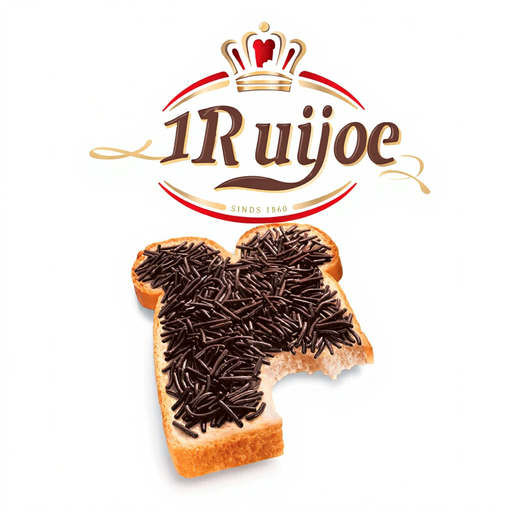 Image unavailable
De Ruijter Dark Chocolate Sprinkles – 390 g
Dark chocolate sprinkles to add to your chosen wholegrain rusks.
Joybuy lists 64 g of sugars per 100 g. The ingredient information lists milk and soya; this product is a topping, not a rusk base.
View at Joybuy
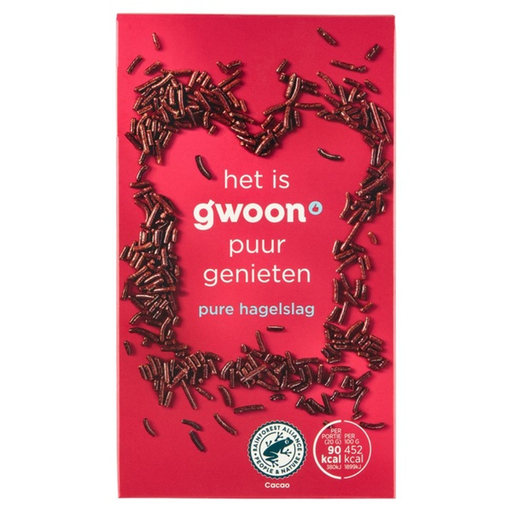 Image unavailable
g'woon dark chocolate sprinkles – 400 g
A separate chocolate sprinkle topping for anyone who wants to add it to the rusks themselves.
The pack contains 400 g. Compare the nutritional information and allergens on the label with those of the other toppings before choosing.
View at Joybuy
 Image unavailable
De Ruijter Intense Dark Chocolate Sprinkles – 200 g
A separate chocolate sprinkle topping for anyone who wants to choose how much to add to each rusk.
The pack contains 200 g. Check the nutritional information and ingredients for this variety when making your choice.
View at Joybuy
Frequently asked questions
Where does the fibre in wholegrain rusks with chocolate sprinkles come from?
Check the wholegrain rusk label for the fibre content of the base, and assess the chocolate sprinkles separately as a topping. Albert Heijn lists 9 to 11 g of fibre per 100 g for the AH and Bolletje wholegrain rusks reviewed, depending on the variety. If you want to compare values per rusk, check the weight of each one too.
How can I keep the sweetness of the chocolate sprinkles in mind?
Decide how much chocolate sprinkles to use on each rusk, and check the sugars per 100 g or per serving, if stated. Jumbo lists 13 g of sugars per 20 g serving of Venz Puur Chocolate Sprinkles; using a different amount will change how much sugar the topping adds.
Which labels should I check for allergens?
Check both the rusks and the chocolate sprinkles you’ve chosen, including any ‘may contain’ statements. The wholegrain rusks reviewed list wheat, and some varieties also list egg, oats, barley or sesame; the dark chocolate sprinkles reviewed list milk and soya.
When should I add the topping to the rusks for drinks?
For the crunchiest result, add the topping just before serving. Until then, store the rusks as directed on the packaging: the product information reviewed recommends keeping them dry and sealing the pack well after opening.
Can I assume every rusk contains iodine?
No, don’t assume this for a particular product. Check the label or ask the manufacturer which ingredients are used if iodine information matters to your choice.


