
For those who like to build their own wholegrain breakfast bowl
You want a simple base and to add yoghurt, fruit or nuts as you like. Plain muesli that clearly names its wholegrain cereals lets you choose your own toppings.


If you want to choose exactly what goes into your breakfast bowl, start with plain muesli that clearly lists wholegrain cereals in its ingredients. A fruit and nut variety is a good choice if you want those ingredients in the mix already; opt for a crunchy variety if texture matters more to you. Whichever you choose, compare the fibre and sugars per 100 g and check the allergens on the packaging.
You want a simple base and to add yoghurt, fruit or nuts as you like. Plain muesli that clearly names its wholegrain cereals lets you choose your own toppings.
You like choosing a mix with fruit, nuts or a crunchy texture. Check the ingredients list too: fruit and nut muesli and a roasted cereal mix are made differently.
You need to know which cereals, nuts or other allergens are in your chosen variety. Check the current packaging, even if you have bought the same product before.
First decide whether you want to add your own toppings or would rather buy a mix with extras or a crunchy texture. Then compare the ingredients and nutritional information of the varieties that suit your preference.
| What to consider | What to check when buying | Who it matters to |
|---|---|---|
| Wholegrain cereals and fibre | Look for clearly named wholegrain cereals in the ingredients list and compare the fibre per 100 g. | If I want a simple cereal base, I need to be able to see which cereals it contains on the label. Around 36% of consumers prioritise a wholegrain base they can check and its fibre content. |
| Sugars and your own toppings | Compare total sugars per 100 g and check which sweet ingredients, such as dried fruit, are in the mix. | I prefer to add my own fruit and want to distinguish between added sugars and the total sugars in my bowl. For around 29% of consumers, having that choice is the top priority. |
| Allergens and cereals | Read the ingredients, allergen information and any cross-contamination warning for this specific variety. | If I need to avoid certain allergens, an appealing flavour or nutritional value cannot override that. Allergens and suitability come first for around 21% of consumers. |
| Flavour and texture | Choose between loose flakes, a fruit and nut mix or a roasted crunchy mix, and check the ingredients for your choice. | For my Sunday breakfast, I want fruit, nuts or crunch already in the mix, without having to add much myself. That ready-made variety is the top priority for around 14% of consumers. |
Wholegrain muesli may contain wheat, barley or other cereals containing gluten. Fruit and nut varieties may also contain nuts.
Check the ingredients and allergens for the exact variety. If you need to eat gluten-free, don’t rely on the word ‘wholegrain’ alone.
A product with no added sugars may still contain sugars, for example from dried fruit. On its own, the claim tells you nothing about the total sugars per 100 g.
Compare the nutrition table and check which ingredients provide the flavour before choosing between plain, fruity and crunchy varieties.
A roasted mix may contain different ingredients from a simple muesli made with flakes. The texture you want should therefore be part of your decision about ingredients and allergens.
First decide which texture you want, then compare the labels of products in that category.
Ingredients, nutritional values and allergen information can change, as Albert Heijn points out in its product information.
Read the packaging of the product you are actually buying, especially if you need to avoid an allergen or are looking for a specific nutritional value.
A supermarket own-brand option for anyone looking for simple plain wholegrain muesli.
A supermarket own-brand option that includes organic wholegrain muesli with fruit and nuts.
An ALDI own brand with wholegrain muesli varieties.
A crunchy roasted cereal mix for anyone looking for a different texture from loose muesli flakes.
A wholegrain breakfast cereal for anyone who would rather make a warm, smooth bowl than eat a muesli mix.
A supermarket option with fruit muesli and crunchy muesli among its breakfast range.
These products are all suited to a crunchy breakfast bowl: four Cruesli varieties and one granola. Granola is a related product type, not plain muesli, so first decide whether a roasted mix suits your Sunday breakfast.
 No image available
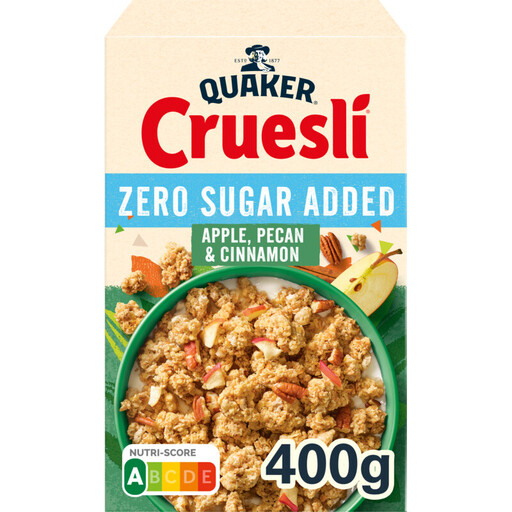
For anyone who wants a crunchy mix with apple, pecan and cinnamon in their breakfast bowl. The pack contains 400 g; if you have an allergy, check the current ingredients and allergen information.
 No image available
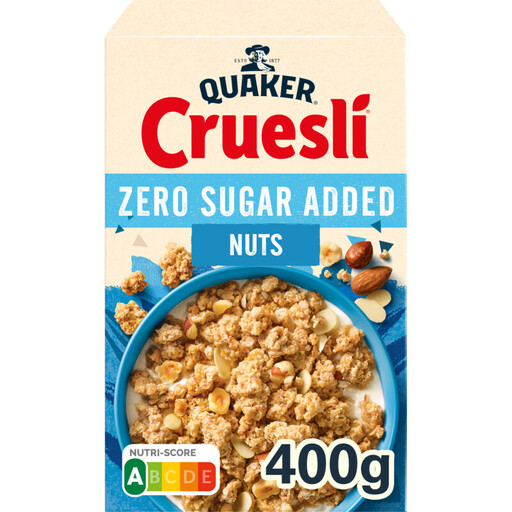
For anyone looking for a nut variety for a crunchy Sunday breakfast. The pack contains 400 g; check the allergen information if you need to avoid nuts or other ingredients.
 No image available
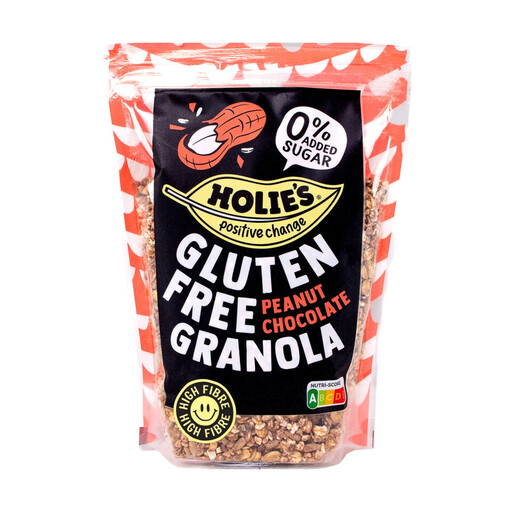
For anyone who wants granola with peanut and chocolate flavour rather than muesli. The pack contains 330 g; check the current labelling if the Glutenfree claim or allergen information is important to your choice.
 No image available
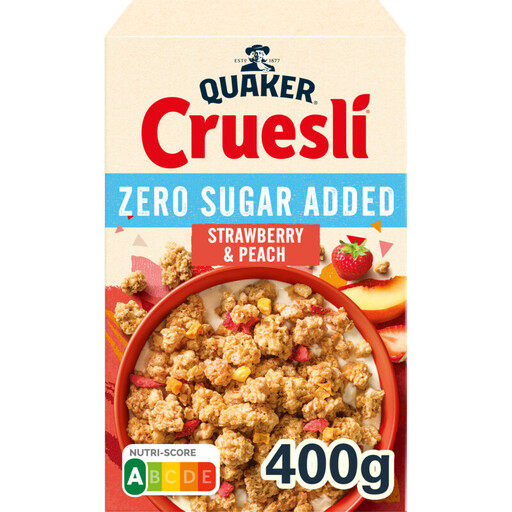
For anyone looking for a fruity, crunchy mix with strawberry and peach. The pack contains 400 g; compare fibre and sugars using the nutrition table on the packaging.
 No image available
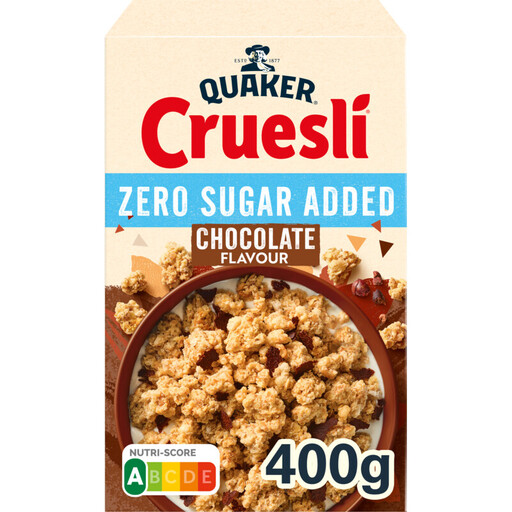
For anyone who wants a crunchy mix with chocolate flavour. The pack contains 400 g; check the nutritional information per 100 g and the allergens if milk, cereals or nuts are a concern for you.
Read the ingredients list and look for clearly named wholegrain cereals. The Netherlands Nutrition Centre describes wholegrain cereal products as products made from the entire grain; also compare the fibre per 100 g of the muesli varieties you are considering.
No. Wholegrain does not mean that muesli is gluten-free. A variety may contain wholegrain wheat or barley, for example; if you need to avoid gluten, check the labelling of the specific product.
Check the ingredients and allergen information on the packaging of your chosen muesli. The Netherlands Food and Consumer Product Safety Authority states that allergens must be listed and clearly identifiable on the labels of prepacked foods; also read any warnings about possible cross-contamination.
Follow the storage instructions on your pack and seal it properly after use. Albert Heijn recommends storing its Volkoren muesli naturel in a cool, dark and dry place; Jumbo also advises keeping its organic fruit and nut variety cool, dry and dark.
Choose fruit and nut muesli if you want those ingredients already in the mix and they are suitable for you; choose plain if you would rather add your own toppings. Also compare the total sugars per 100 g and check the label for nuts and other allergens.