When choosing a sweet breakfast, don’t just go by taste: check that the ingredients list explicitly names wholegrain cereals, and compare granolas for sugars and fibre per 100 g, as the Netherlands Nutrition Centre recommends. If protein, nuts or gluten-free status are priorities for you, check the ingredients and up-to-date allergen information too. These qualities aren’t interchangeable.
Who is this choice relevant to?
Breakfast eaters keeping an eye on fibre and sugars
You want a crunchy, sweet breakfast, so you look at the wholegrain ingredients, fibre and sugars, not just the flavour on the front of the pack. The Netherlands Nutrition Centre recommends comparing similar breakfast cereals per 100 g.
Breakfast eaters who consider protein
You want to compare the protein content of granola as part of a breakfast, for example with yoghurt, quark or a plant-based alternative. The other nutritional values and ingredients still matter too.
People with allergy or gluten-free requirements
Check the ingredients and any warnings about traces before choosing a granola. A gluten-free label alone doesn’t tell you whether it contains nuts or peanuts.
What should you look for when choosing?
Start with the feature that matters most for your breakfast. Then compare similar granolas per 100 g and read the ingredients list to check the wholegrain base, flavourings and allergens.
| What to consider |
What to check when buying |
Who it matters most to |
| Wholegrain base, fibre and sugars |
Look for wholegrain cereals explicitly listed in the ingredients. Compare the fibre and sugars in similar granolas per 100 g. |
I want a crunchy, sweet breakfast, but the wholegrain base and nutritional value matter more to me than the flavour name. Around 38% of consumers prioritise this combination. |
| Flavour and texture |
Check which ingredients determine the flavour and crunch, such as nuts or fruit, and read the nutritional information too. |
What matters most for my breakfast is whether the mix has the flavour and crunchy texture I’m looking for. For around 23% of consumers, this is their first consideration. |
| Protein |
Compare protein per 100 g and check the other nutritional values and ingredients at the same time. |
If I eat granola with yoghurt or quark, its protein content can influence my choice. Around 15% of consumers give extra protein top priority. |
| Allergens and gluten |
Check the current ingredients list, allergen information and details of possible traces every time you buy. |
I need to know first whether the granola meets my allergy or gluten-free requirements; taste comes second. For around 24% of consumers, suitability is the deciding factor. |
Common mistakes
-
Going by the word ‘granola’ or crunchy packaging
A flavour name doesn’t tell you how much sugar or fibre a product contains. The Netherlands Nutrition Centre says comparing products per 100 g can help you see the differences between breakfast cereals.
Put two similar packs side by side: compare the nutritional values per 100 g and check which cereals and flavourings are listed in the ingredients.
-
Choosing a nut or protein variety without checking the allergens
Granola can contain nuts, soya and gluten-containing cereals, among other ingredients. The flavour or protein content won’t tell you which allergens a variety contains.
Check the current ingredients list, allergen information and any details of traces every time you buy.
-
Assuming gluten-free means nut-free
Holie’s says its Glutenfree Buckwheat & Nuts granola may contain traces of other nuts and peanuts, among other things. So the gluten-free label doesn’t answer every question about allergens.
Check the gluten-free label, all other ingredients and any warnings about traces separately on the current packaging.
Brands to consider
Quaker Cruesli
Zero Sugar Added Granola Naturel is one example you can use to compare wholegrain oats, fibre and sugars on the label.
- Jumbo’s product information states that this variety contains 69% wholegrain oat flakes, 22 g of fibre and 3.2 g of sugars per 100 g.
- If you have an allergy, check the current packaging. The information for this variety doesn’t automatically apply to other Cruesli products.
Jumbo
Jumbo lists separate granolas for people who prioritise nuts or protein content.
- According to Jumbo, Granola Noten contains 19 g of fibre per 100 g, while Granola Proteïne lists 24.1 g of protein and 17.1 g of fibre per 100 g.
- The nutritional values for the nut variety and the protein variety aren’t interchangeable. Check the current allergen information for each product too.
Zonnatura
According to Zonnatura, Granola Classic Crunchy combines wholegrain spelt and oat flakes. The brand also has a separate almond and cashew variety.
- For Classic Crunchy, Zonnatura lists 35% wholegrain spelt flakes, 34% wholegrain oat flakes, 22 g of fibre and 1.6 g of sugars per 100 g.
- Don’t assume that the allergens and nutritional values for Classic Crunchy also apply to the almond and cashew variety.
Holie’s
Holie’s presents Glutenfree Buckwheat & Nuts as gluten-free granola. Check the label on this variety itself.
- The manufacturer states that Glutenfree Buckwheat & Nuts has no added sugar.
- Holie’s warns that this variety may contain traces of cashew, pecan, peanuts and soya. Gluten-free doesn’t mean allergen-free.
Golden Bridge
ALDI describes Golden Bridge Granola as a crunchy mix available in nut and seed or red fruit varieties.
- These flavour options make it easier to choose between a nut and seed mix and a fruit variety.
- Check the packaging for the variety you choose before drawing conclusions about its wholegrain cereals, nutritional value or allergens.
Products for different breakfast preferences
These products offer different flavours and breakfast cereal options, including a nut and seed mix, Cruesli, a protein-focused muesli and granola labelled gluten-free. Check each pack to see whether its ingredients suit your most important selection criteria.
 No image available
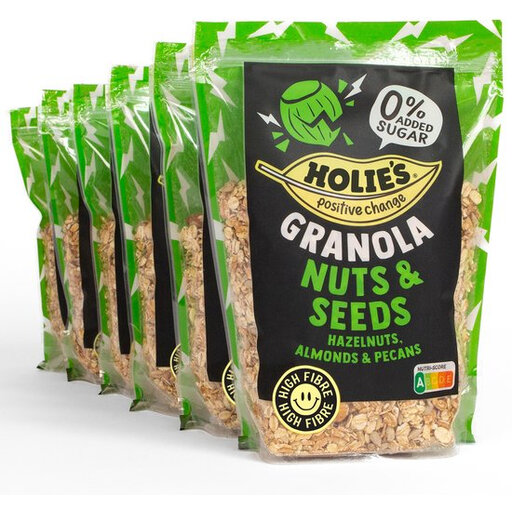
Holie’s Granola Nuts & Seeds, 6 × 350 g
A granola for anyone who enjoys the flavour of nuts and seeds. This is a pack of six; check the ingredients and allergen information meet your needs before buying.
View at Joybuy
 No image available
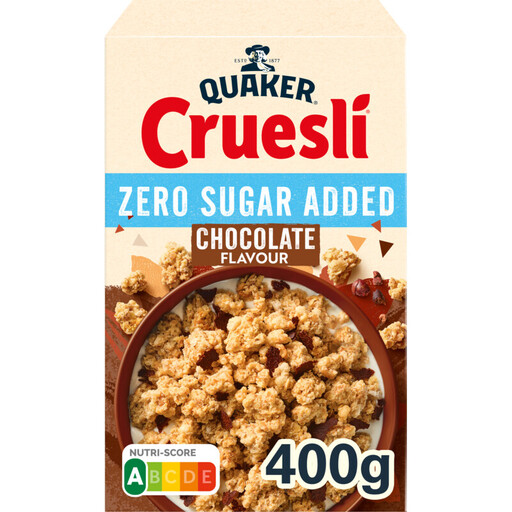
Quaker Cruesli Choco Zero Sugar, 400 g
An option if you’re looking for a chocolate flavour and want to take sugars into account. Check the nutritional information per 100 g; the product name alone doesn’t tell you how much sugar it contains.
View at Joybuy
 No image available
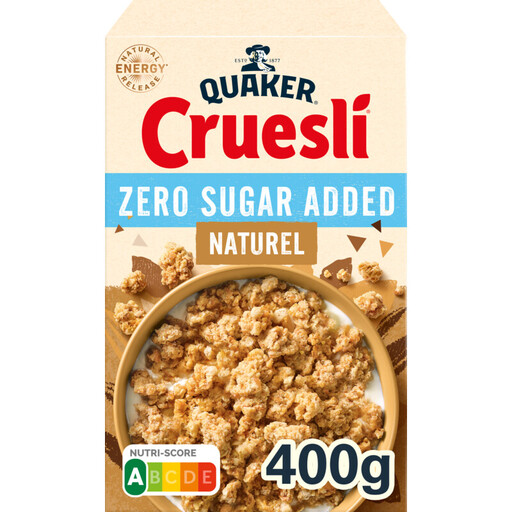
Quaker Zs Cruesli Natural, 400 g
The Natural variety is worth considering if you don’t want a strong chocolate flavour. Check the packaging for wholegrain ingredients, nutritional values per 100 g and allergen information.
View at Joybuy
 No image available
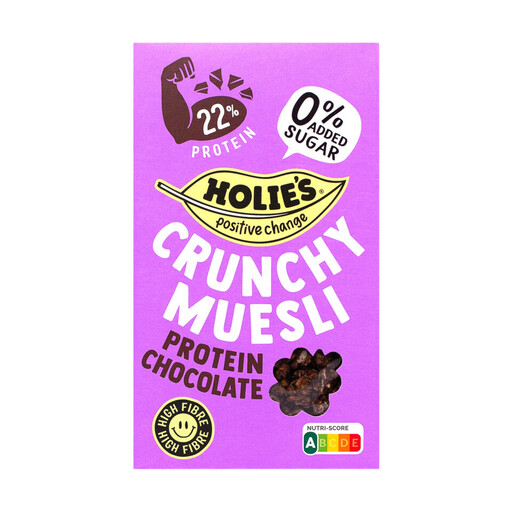
Holie’s Crunchy Muesli Protein Chocolate, 400 g
This muesli is another option if you’re looking for a chocolate flavour and want to compare protein as part of your breakfast. Check the protein per 100 g, along with the other nutritional values and allergens.
View at Joybuy
 No image available
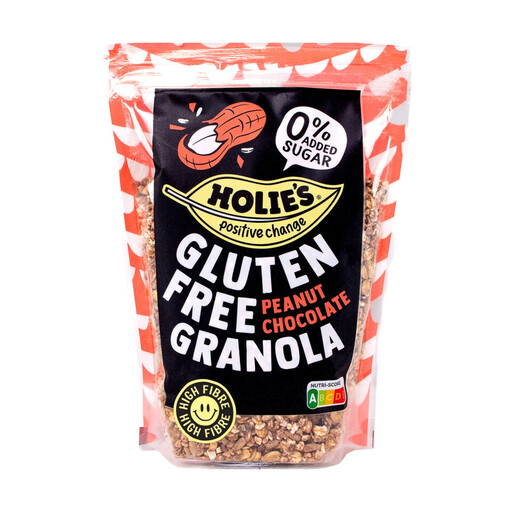
Holie’s Granola Glutenfree Peanut Chocolate, 330 g
This peanut and chocolate variety may suit you if you’re looking for granola labelled gluten-free. Check the current gluten-free labelling and the separate allergen and trace information on the packaging.
View at Joybuy
Frequently asked questions
How do I compare granola when packs list different serving sizes?
Compare similar granolas per 100 g. The Netherlands Nutrition Centre recommends using this measure to compare sugars and fibre, among other things. Also check the ingredients that matter for your choice.
Is granola containing oats automatically wholegrain?
No. The word ‘oats’ on its own doesn’t confirm that it is. According to the Netherlands Nutrition Centre, a wholegrain cereal product is made from the entire grain. So look for oat flakes explicitly labelled as wholegrain on the pack.
Can granola be part of a sweet breakfast every day?
That depends on the variety you choose and the rest of your breakfast. The Netherlands Nutrition Centre advises checking breakfast cereals for added salt and avoiding too much added sugar. Compare the packaging of the granola you’re considering.
If I have an allergy, should I also read warnings about possible traces?
Yes. As well as checking the ingredients, look at the current information about possible traces. A product name or gluten-free label won’t tell you whether the granola is suitable for your specific allergy.


