
Weekend breakfast fans keeping an eye on fibre
You want something crunchy, but the grain base and fibre content matter more to you than the familiar taste of cornflakes.


If you want your weekend breakfast to have a clearly stated wholegrain base and more fibre, compare the ingredients and nutritional information per 100 g rather than relying on the name cornflakes. Standard cornflakes may suit you if you’re after that familiar crunchy corn flake; with wholegrain or bran flakes, sugar, salt, sweeteners and allergens are still important factors to consider.
You want something crunchy, but the grain base and fibre content matter more to you than the familiar taste of cornflakes.
You’re looking for breakfast cereal you enjoy, and compare sugar, salt and fibre per 100 g, not just the figures per serving.
You want an easy, crunchy weekend breakfast and check which grains and allergens are in your chosen variety before buying.
For a breakfast with a clearly stated wholegrain base, standard cornflakes are not the same as wholegrain or bran flakes. Porridge oats and muesli offer a different format and texture, so compare options within the type of breakfast cereal you actually want to eat.
When to choose them: opt for these if a stated wholegrain base and fibre content are your priorities.
Things to consider: wholegrain on its own tells you nothing about the amount of sugar, salt or sweeteners. Wheat and barley may also be relevant when checking for allergens.
When to choose them: these are a good fit if you’re after the familiar crunch of cornflakes and wholegrain isn’t a deciding factor.
Things to consider: Kellogg's lists maize as the first ingredient in Corn Flakes and states that they contain 3.0 g of fibre per 100 g. Don’t take the product name to mean they’re made from wholegrain maize.
When to consider them: try porridge oats or muesli if you don’t need flakes and want to compare other types of breakfast cereal too.
Things to consider: the texture and any preparation required differ from cornflakes. Check the ingredients and nutritional information for the exact product, too.
| What to consider | What to check before buying | Who it matters to |
|---|---|---|
| Wholegrain base and fibre | Check which grains are listed as wholegrain and compare fibre per 100 g across similar products. | For my weekend breakfast, a clearly named wholegrain is the priority, so I look at the fibre content. Around 50% of consumers put this combination first. |
| Sugar, salt and ingredients | Compare sugar and salt per 100 g, and check the ingredients list to see whether the product contains sweeteners. | Fibre alone doesn’t determine my choice: I also want to know what else is in the flakes. For around 30% of consumers, sugar, salt and ingredients are the main considerations. |
| Taste, convenience and allergens | Choose the type of breakfast cereal you want and check the allergen information on the current packaging. | For our weekend breakfast, I’m mainly looking for an easy, crunchy option that suits the household. Around 20% of consumers say they prioritise this practical choice, with allergen checks as an essential step. |
The name doesn’t tell you which part of the grain has been used. Kellogg's lists maize as the first ingredient in Corn Flakes, while Jumbo states that Special Flakes contain 53% wholegrain wheat.
Read the ingredients list and compare the fibre content per 100 g before treating two products as wholegrain alternatives.
Jumbo states that Special Flakes contain 7.2 g of fibre and 1.15 g of salt per 100 g; the ingredients also include maltitols. So one figure doesn’t give you the full picture.
Check the full nutrition table and ingredients list for the variety you want to buy.
If packs use different serving sizes, the figures per serving aren’t as useful for a direct product comparison.
For similar breakfast cereals, compare the figures per 100 g first, then decide what serving size you want.
The products discussed here include ingredients such as wheat, barley and barley malt extract. The Netherlands Food and Consumer Product Safety Authority (NVWA) notes that allergens must be clearly stated on the label.
If you have an allergy or need to avoid gluten, check the ingredients and allergen information on the current packaging of the exact product.
This range lets you compare standard Corn Flakes with All-Bran Flakes and Special K Original. They’re different products with different grain bases.
Jumbo Special Flakes are one option to compare with standard cornflakes if you’re specifically looking for wholegrain ingredients.
The ALDI range distinguishes Golden Bridge Cornflakes from wholegrain muesli, porridge oats and a 7-grain wholegrain breakfast cereal.
AH Bran flakes volkoren and AH Cornflakes are separate products to consider if you’re choosing from the flakes aisle.
These products are alternatives for anyone who wants to look beyond standard cornflakes for their weekend breakfast. The list mainly features porridge oats, plus a crunchy cereal mix. Think about whether you’re after flakes, a warm breakfast or a crunchy mix.
 No image available
A porridge option if you don’t need crunchy cornflakes for breakfast. The product information describes it as suitable for preparing hot; check the current allergen information if possible traces of wheat or barley are relevant to you.
 No image available
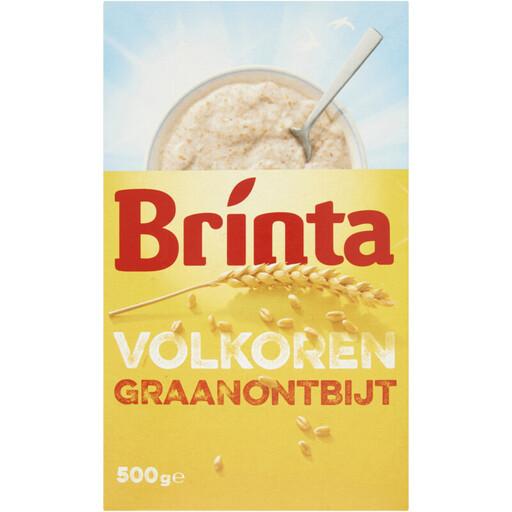
For anyone looking for a hot breakfast cereal made from wholegrain wheat instead of cornflakes. The product contains wheat and gluten; check the full nutritional information on the current packaging.
 No image available
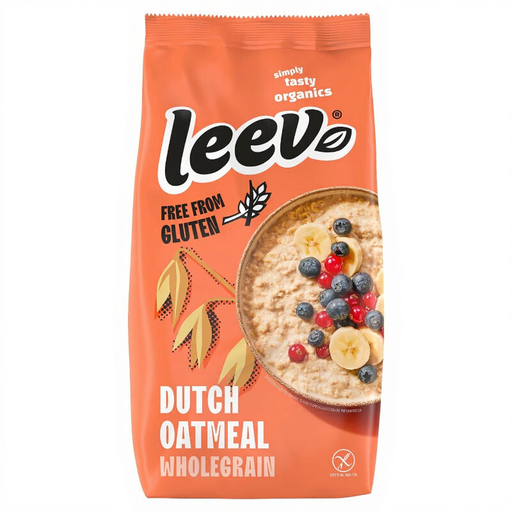
A porridge option if you want oats rather than crunchy cornflakes; the product description suggests mixing it with milk, yoghurt or quark. The gluten information is contradictory. Don’t assume it’s gluten-free, and check the current packaging if you need to avoid gluten.
 No image available
A porridge option if you want to move away from cornflakes. Check the preparation instructions on the packaging before cooking; when checking for allergens, also look for information about gluten and possible traces of milk, nuts, soya and sesame.
 No image available
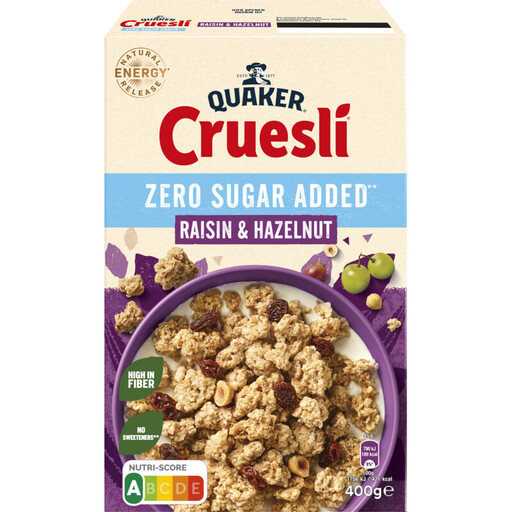
A crunchy cereal mix with raisins and hazelnuts if you’re after a different texture from standard cornflakes. This isn’t a cornflake product; check the current allergen information and compare the nutritional values per 100 g on the packaging.
Check that a wholegrain cereal is explicitly listed in the ingredients; the name flakes or cornflakes isn’t enough. According to the Netherlands Nutrition Centre, wholegrain cereal products are made from the entire grain. Then compare fibre per 100 g across similar products.
Not if you’re mainly after a crunchy corn flake. But if you’re choosing based on wholegrain ingredients and fibre, they’re different products from wholegrain flakes. Kellogg's states that Corn Flakes contain 3.0 g of fibre per 100 g; Jumbo states that Special Flakes contain 7.2 g per 100 g. Compare the current information for the specific varieties without drawing a general conclusion about their nutritional value.
Compare similar breakfast cereals per 100 g first, as recommended by the Netherlands Nutrition Centre. Serving sizes can vary; also read the ingredients list if you want to know which grains or sweeteners have been used.
No, wholegrain doesn’t mean gluten-free. According to Kellogg's, Special K Original contains wholegrain wheat and barley, while Jumbo Special Flakes contain wheat and barley. If you need to avoid gluten, check the current packaging and any gluten-free claim for the exact product.
Store them as directed on the packaging and seal the pack securely after use. Kellogg's recommends storing Corn Flakes and Special K Original in a dry place; Jumbo advises keeping Special Flakes in a cool, dark place.