
If you’re looking for crunchy wholegrain flakes
You want the bite of flakes with a sweet breakfast, but only choose products that are clearly labelled wholegrain. Then you want to be able to compare sugars and fibre.


For a sweet breakfast, first choose cereals that are clearly labelled wholegrain, then compare sugars, fibre and salt per 100 g. If you want crunchy flakes, check the product type: wholegrain porridge or wheat flakes offer a different eating experience. A wholegrain base alone doesn’t tell you how much sugar the finished product contains.
You want the bite of flakes with a sweet breakfast, but only choose products that are clearly labelled wholegrain. Then you want to be able to compare sugars and fibre.
You value a wholegrain base more than crunchiness and are also considering porridge or wheat flakes, perhaps with fruit added at home.
You’re looking for a sweet breakfast, but want to check the sugars, ingredients, any sweeteners and the wholegrain labelling, rather than relying on the front of the pack.
Start by checking the wholegrain labelling, then compare the nutrition information per 100 g. Also decide whether you want crunchy flakes or a grain base that you can sweeten yourself with fruit.
| What to consider | What to check when buying | Who is this important to? |
|---|---|---|
| Wholegrain base and fibre | Look for a clear wholegrain label. Then compare fibre per 100 g across products that suit the breakfast you want. | If wholegrain is my priority, I don’t want to rely on words such as multigrain or bran alone. Around 42% of consumers give this wholegrain base and fibre the highest priority. |
| Sweet flavour and sugars | Compare sugars per 100 g and read the ingredients, even when the pack prominently mentions no added sugars. | I want a sweet breakfast, but I also want to weigh up how much sugar the product contains. For around 33% of consumers, this is the main consideration. |
| Texture and preparation | Check whether you’re buying flakes, crunchy muesli or porridge, and which preparation suits your morning. | If I want something crunchy with milk or yoghurt, soft porridge doesn’t meet the same need. For around 25% of consumers, product type is the first thing they consider. |
Wholegrain describes the grain base, not the sugar content. Kellogg's Nederland lists 15 g of sugars per 100 g for Special K Original, which contains wholegrain wheat.
Check the wholegrain labelling first, then compare sugars, fibre and salt per 100 g.
One claim doesn’t confirm the other. Jumbo lists sweeteners in Special Flakes; that information doesn’t mean the product is wholegrain.
Check the grain ingredients and any sweeteners separately on the current packaging.
Brinta Wholegrain cereal breakfast and Jumbo Wholegrain Breakfast Porridge are wheat products for a softer preparation, not a substitute for the crunch of flakes.
First choose the texture and preparation method you want, then compare the nutrition information of suitable products.
A name or wholegrain label doesn’t tell you which allergens are listed for a specific product. The Netherlands Food and Consumer Product Safety Authority explains the allergen information required on the labels of prepacked foods.
Check the current packaging every time you buy a product if you need to avoid an ingredient or allergen.
Special K Original is a three-grain flake cereal containing wholegrain wheat; Oaties Original Crunch is a breakfast cereal made with wholegrain oats.
A wholegrain wheat breakfast cereal for anyone who prefers a soft preparation.
AH Wholegrain Bran Flakes is an own-brand product for anyone specifically looking for flakes labelled wholegrain.
Offers Wholegrain Breakfast Porridge and Special Flakes, among other products: two different product types that shouldn’t be considered the same based on their names alone.
Golden Bridge offers a 7-grain wholegrain breakfast cereal, as well as separately sold Special Flakes.
These products include crunchy muesli, flakes and softer grain breakfasts. Choose according to the texture you want, and check the wholegrain ingredients and nutrition information on each pack.
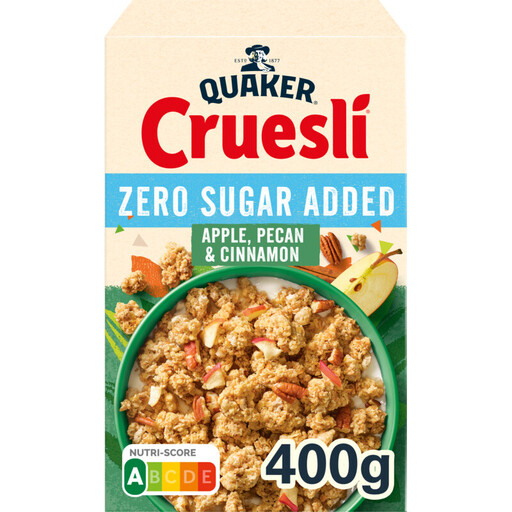 Image unavailable
For anyone looking for crunchy muesli with apple, pecan and cinnamon rather than plain flakes. Check the grain ingredients, sugars per 100 g and allergens on the packaging; the product name alone isn’t enough.
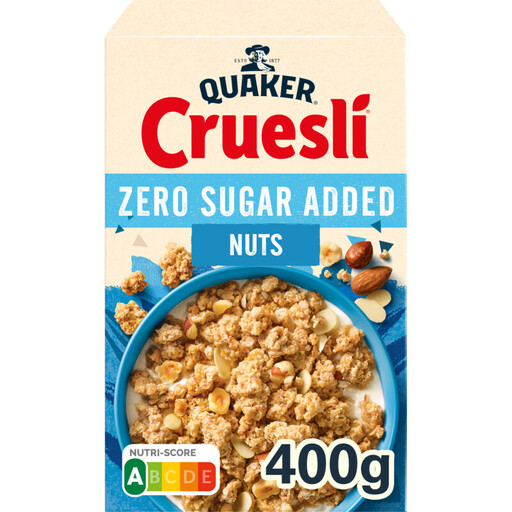 Image unavailable
An option if you’re looking for a crunchy muesli mix with nuts, rather than simple flakes. Compare the nutrition information per 100 g and, if you’re avoiding allergens, read the current ingredients list.
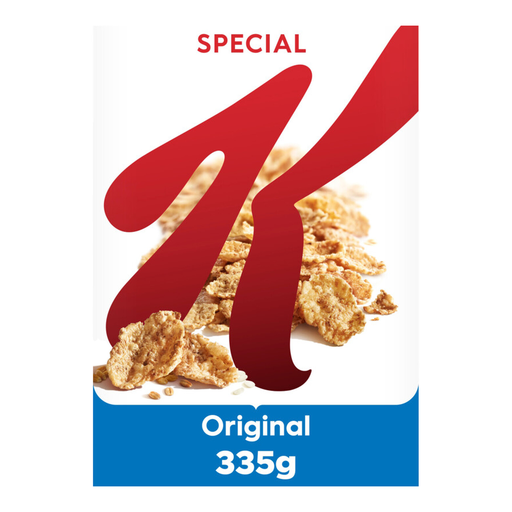 Image unavailable
For anyone looking for flakes that list wholegrain wheat as an ingredient. Kellogg's Nederland lists 6.0 g of fibre and 15 g of sugars per 100 g for Special K Original; compare these figures with other breakfast cereals that suit you.
 Image unavailable
For anyone considering a soft oat preparation rather than specifically looking for crunchy flakes. Check the wholegrain labelling and compare the nutrition information on the pack with your other options.
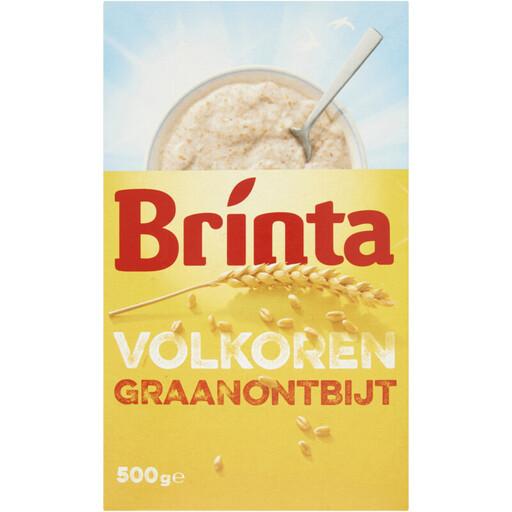 Image unavailable
For anyone who wants a soft wholegrain wheat base and would like to add fruit to their breakfast. Albert Heijn describes Brinta Wholegrain cereal breakfast as made from 100% wholegrain wheat; don’t expect crunchy flakes.
Look for a clear wholegrain label and check which grains are listed as ingredients. Words such as multigrain or bran don’t, by themselves, confirm that a product’s grain base is wholegrain; then compare fibre, sugars and salt per 100 g.
No. A wholegrain label describes the grain base, not the sugar content. Kellogg's Nederland lists wholegrain wheat in Special K Original and also states that it contains 15 g of sugars per 100 g. Compare products on the same basis.
First choose a grain base with the texture you want, then add something such as fruit. The Netherlands Nutrition Centre suggests adding fruit to breakfast cereals and recommends checking for added sugar when choosing a breakfast product.
Read the allergen information on the current packaging for the specific product, rather than relying only on the product name or an online description. According to the Netherlands Food and Consumer Product Safety Authority, allergen information must appear on the label of prepacked foods.
No. Check the ingredients list for sweeteners separately. Jumbo lists sweeteners in Special Flakes; a no-added-sugars claim also doesn’t tell you whether the grains used are wholegrain.