
Lunchers keeping an eye on fibre
You’re looking for crispbread clearly labelled wholegrain and want to compare its fibre content. The Netherlands Nutrition Centre lists wholegrain cereal products as a source of fibre.


For a wholegrain office lunch, first look for the word ‘wholegrain’ on the crispbread, then compare fibre and salt per 100 g. Wasa Wholegrain lists more fibre, but also more salt per 100 g than the Albert Heijn and Jumbo wholegrain options discussed here. Also check the allergens and choose a pack that suits the number of portions you’re taking with you.
You’re looking for crispbread clearly labelled wholegrain and want to compare its fibre content. The Netherlands Nutrition Centre lists wholegrain cereal products as a source of fibre.
You look at more than just the crispbread: portion size and toppings matter too. The salt listed per 100 g varies between the Wasa, Albert Heijn and Jumbo wholegrain products discussed here.
You want to know how many pieces to take with you, how to store an opened pack and which allergens are listed on the packaging. This is also relevant if others are sharing the same supply.
Start by checking the wholegrain claim, then compare products on the same 100 g basis. Next, decide which portion size and pack will work best for your working days.
| What to consider | What to check when buying | Who it matters most to |
|---|---|---|
| Wholegrain and fibre | Check for the word ‘wholegrain’ and compare fibre per 100 g. ‘High in fibre’ on its own doesn’t tell you whether a product is entirely wholegrain. | When I choose crispbread as the basis for my lunch, I want to see whether it’s wholegrain and how much fibre it contains. This is the most important consideration for around 40% of consumers. |
| Salt, ingredients and allergens | Compare salt per 100 g and read the ingredients and allergen information on the pack you’re buying. | When I’m having topped crackers, I want to assess the salt in my whole lunch and know which ingredients to avoid. This is the first thing around 30% of consumers consider. |
| Portions and storage | Check the weight, number of pieces and portion size. Also check how to store the pack once it’s opened. | For several working days, I want to take the right amount with me without leaving the rest of the pack open. Around 30% of consumers put this practical consideration first. |
Fibre content and a wholegrain claim answer different questions. According to the Netherlands Nutrition Centre, ‘wholegrain’ on crackers refers to the use of wholemeal flour.
Check the wholegrain claim on the label, then compare fibre per 100 g.
Salt levels already vary between types of crispbread. Toppings can add salt to your lunch too.
Compare the figures per 100 g, consider how many crackers you actually eat, and factor in your chosen toppings.
The Wasa, Albert Heijn and Jumbo options discussed here contain gluten-containing cereals. Other allergens present or that may be present vary by product.
If you have an allergy, check the current allergen information for the exact variant you’re buying.
The word ‘wholegrain’ doesn’t tell you which type of salt has been used in a particular crispbread.
If iodised baker’s salt is relevant to your choice, check the ingredients list or ask the manufacturer.
Wasa Wholegrain is a rye option for anyone comparing wholegrain claims and fibre. These details don’t necessarily apply to other Wasa products.
AH Wholegrain Crispbread is an own-brand option in a 375 g pack.
Jumbo Wholegrain Crispbread is a 375 g own-brand option with nutritional information per portion and per 100 g.
ALDI describes Goud Gebakken Wholegrain Crispbread as a pack of 25 pieces weighing 375 g.
Here you’ll find crackers to use as the basis for a lunch, alongside a filled Wasa sandwich that you can take as a portion. If you’re looking specifically for entirely wholegrain crispbread, check the packaging for each variant; the name ‘High-Fiber’ alone doesn’t confirm this.
 No image available
An option if you’re looking for individual crackers to top with your choice of lunch ingredients. Compare the nutritional information per 100 g and check the current packaging if you have allergies; this variant lists gluten-containing cereals and sesame, and may contain lupin.
 No image available
Worth considering if you want to take rye crackers with your own choice of toppings. When comparing salt, factor in your portion and toppings too. If you have allergies, check the current packaging for rye, milk and possible sesame.
 No image available
An option to compare for fibre per 100 g, without assuming from the name that all the cereal ingredients are wholegrain. Check the ingredients and allergen information; this variant lists wheat, rye, oats and sesame, and may contain milk.
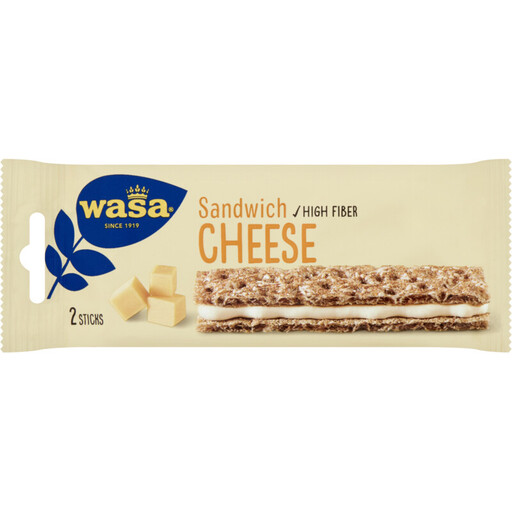 No image available
A filled snack in individual portions for anyone who doesn’t want to add their own toppings; it isn’t a substitute for plain crispbread. If you have allergies, check the current packaging for rye, milk and sesame, and for warnings about possible soya or lupin.
For crackers, the Netherlands Nutrition Centre says the term ‘wholegrain’ refers to a product made entirely from wholemeal flour. Fibre and salt content can still vary between products, so compare the nutritional information per 100 g too.
No. ‘Wholegrain’ doesn’t mean ‘gluten-free’. The Wasa, Albert Heijn and Jumbo wholegrain options discussed here contain gluten-containing cereals. If you have an allergy or coeliac disease, check the current packaging for the specific product.
First compare the salt content of the crispbread per 100 g, then consider how much you eat. Remember to include the salt in your chosen toppings too: the wholegrain claim says nothing about the salt content of your complete lunch.
Check the ingredients list for the type of salt used in the specific product. If you can’t tell whether iodised baker’s salt has been used and this matters to you, ask the manufacturer.
Store the opened pack in a dry place and seal it well. Take the portion you need in an airtight container and add moist toppings just before eating.