What should you look for when choosing?
Start with what you need to avoid, including any cross-contamination warnings. Only if a product is suitable should wholegrain flour, nutritional values and use as a bread substitute become useful points of comparison.
| What to consider |
What to check when buying |
Who it matters to |
| Allergens present |
Read the ingredients and highlighted allergens on the pack; check which types of grain it contains. |
If I need to avoid a particular allergen, I want to rule it out as an ingredient first. Around 36% of consumers put this check first. |
| Possible cross-contamination |
Also check for ‘may contain’ wording and assess it in line with the guidance for your allergy. |
A list that excludes the ingredient isn’t enough for me if possible cross-contamination affects my choice; an estimated 29% of consumers consider this their main concern. |
| Wholegrain and fibre |
Check the wholegrain claim and compare fibre per 100 g and per serving; also check the salt content. |
Once the allergens are suitable, I want to know how much fibre I get from my usual serving. This comparison is a priority for around 21% of consumers. |
| Using it as a bread substitute |
If you eat it regularly, check whether baker’s salt or iodine is listed; don’t infer the iodine content from the salt value alone. |
If I often replace bread with crispbread, I don’t want to make assumptions about the iodine in my diet. An estimated 14% of consumers prioritise this question. |
Crispbread and related products at Joybuy
This selection includes regular wholegrain crispbread, thin wholegrain crackers and a filled rye snack. Don’t compare them as if they were interchangeable bread substitutes: first check the allergens for each product, then choose the format you’re looking for.
 Image unavailable
Wasa Wholegrain crispbread, 260 g
A rye option for comparing a short ingredients list if you don’t need to avoid rye or gluten.
Wasa Wholegrain product information lists wholegrain rye flour, yeast and salt. Also check the current pack for warnings about allergens that may be present.
View at Joybuy
 Image unavailable
Bolletje wholegrain crispbread, 265 g
An option for comparing fibre if wheat, rye, barley and sesame aren’t on your avoid list.
Bolletje lists 14 g of fibre per 100 g for this wholegrain option. Also check the current allergen information, including whether lupin may be present.
View at Joybuy
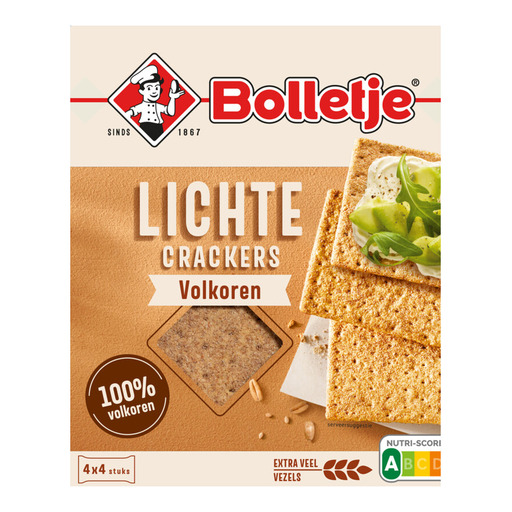 Image unavailable
Bolletje Light wholegrain crackers, 190 g
For anyone looking for a thin wholegrain cracker rather than regular crispbread.
Bear in mind the listed gluten-containing grains and sesame; check the full allergen list for this product on the pack.
View at Joybuy
 Image unavailable
Wasa Lightweight crackers, 300 g
A thin rye cracker to consider if rye, gluten and milk aren’t allergens you need to avoid.
Also check for a warning that sesame may be present. To compare fibre, use the nutritional information table on the current pack.
View at Joybuy
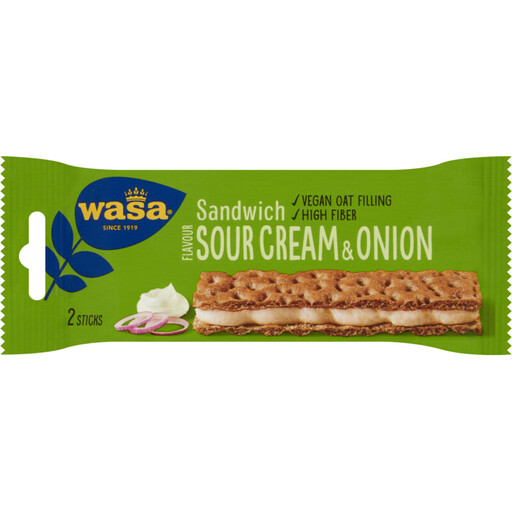 Image unavailable
Wasa Sandwich Sour Cream & Onion, 99 g
This is a filled sandwich snack, not a plain crispbread base for your own toppings.
The allergen information lists rye, gluten and oats, and warns that sesame, milk, soya and lupin, among others, may be present. Check the pack against your avoid list.
View at Joybuy
Frequently asked questions
Is wholegrain crispbread automatically gluten-free?
No. ‘Wholegrain’ describes the grain used, not whether the product is gluten-free. Wasa Wholegrain product information lists rye and gluten; Bolletje lists wheat, rye and barley, among other ingredients, for its wholegrain crispbread. If you need to avoid gluten, check that the specific product is explicitly labelled gluten-free and read the other allergen information too.
What does ‘may contain’ mean on a pack?
‘May contain’ warns that the named allergen could be present because of cross-contamination; it doesn’t mean that the allergen is an ingredient. For crispbread, read both the ingredients and these warnings, and assess them in line with the guidance you follow for your allergy.
What should I check if I avoid sesame?
Check whether sesame is an ingredient and whether there’s a warning that it may be present. Bolletje and Albert Heijn list sesame as an allergen present in the wholegrain options described, so don’t rely on the brand name or the front of the pack alone.
Does crispbread provide as much iodine as bread?
You can’t tell from the product category alone. According to the Netherlands Nutrition Centre, bakers aren’t required to use iodised baker’s salt. If crispbread often replaces bread in your diet, check the label or manufacturer’s information and, if necessary, discuss questions about your overall iodine intake with a dietitian.


