What should you look for?
First decide which grain ingredient you’re looking for in breakfast flakes. Then use the nutritional information and allergen details to compare products that meet your requirements.
| What to consider | What to check | Who is this most important for? |
|---|
| Wholegrains |
Check the types of grain and any percentages in the ingredients list; compare fibre per 100 g if it’s listed. |
If wholegrains are my main criterion, I want to know how much of the product is actually made from wholegrain. Around 31% of consumers put this question first. |
| Sugars, salt and sweeteners |
Compare sugars and salt per 100 g, and check the ingredients list for sweeteners. |
For my breakfast bowl, the ingredients matter more than a prominent claim on the front of the pack. This is the most important consideration for around 31% of consumers. |
| Gluten and other allergens |
Check the current ingredients and allergen information, including the types of grain listed. |
If I need to avoid an allergen, I can’t rely on the product name or pack colour. Around 19% of consumers are expected to put this check first. |
| Preparation and texture |
Check whether the product is ready-to-serve flakes, needs to be cooked, or is a cruesli mix. |
On Sunday morning, I want a breakfast cereal that suits the way I prepare my bowl and the texture I enjoy. This is the deciding factor for around 19% of consumers. |
Breakfast cereals on Joybuy
These products offer different options for Sunday breakfast: Special K Original is a flake containing some wholegrain wheat, Brinta is made for a warm bowl, and the two Quaker varieties are cruesli, not cornflakes.
 No image available
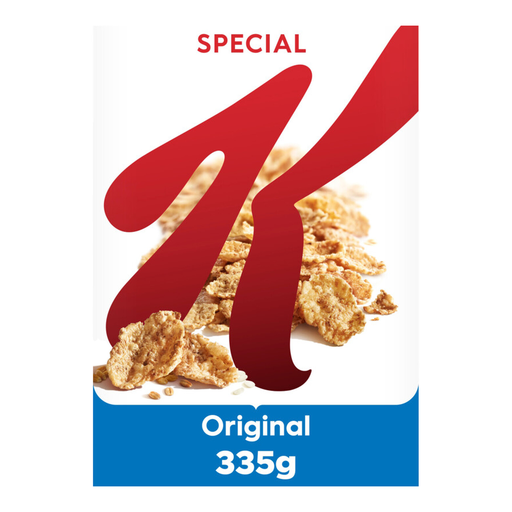
Kellogg's Special K Original, 335 g
For anyone looking for flakes that contain some wholegrain, without expecting a product made entirely from wholegrains.
Kellogg's lists 47% rice, 37% wholegrain wheat and 5% barley. Check the current pack if you need to avoid wheat or barley.
View on Joybuy
 No image available
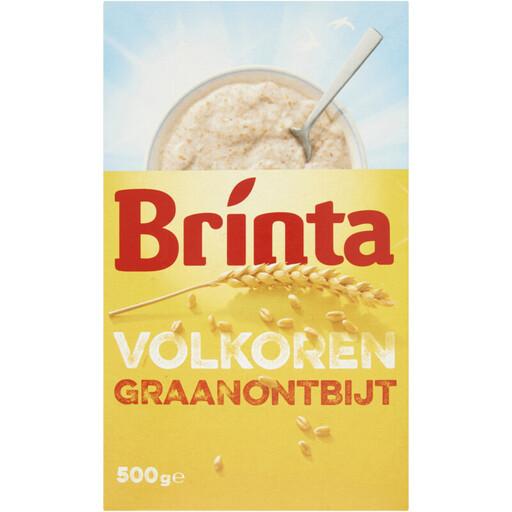
Brinta Whole Wheat Cereal Breakfast, 500 g
For anyone who’d rather make a warm breakfast bowl than serve ready-to-eat, crunchy cornflakes.
The suggested preparation uses water or milk. Check the current pack if you need to avoid wheat or gluten.
View on Joybuy
 No image available
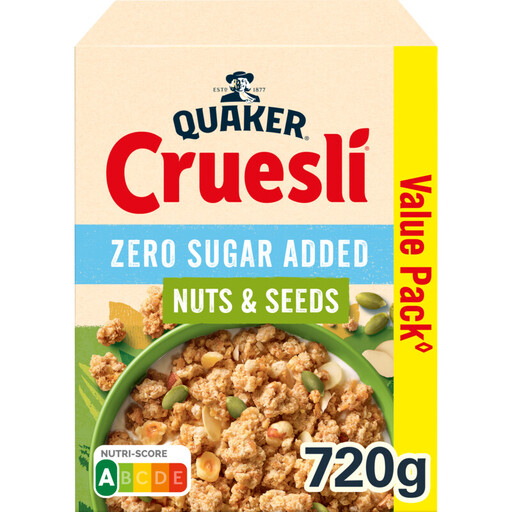
Quaker Zs Cruesli Nuts & Seeds, 720 g
For anyone who wants crunchy cruesli with nuts and seeds instead of plain cornflakes.
The product information lists wholegrain oats and wholegrain wheat. Check the current allergen information, as the product contains nuts and grains.
View on Joybuy
 No image available
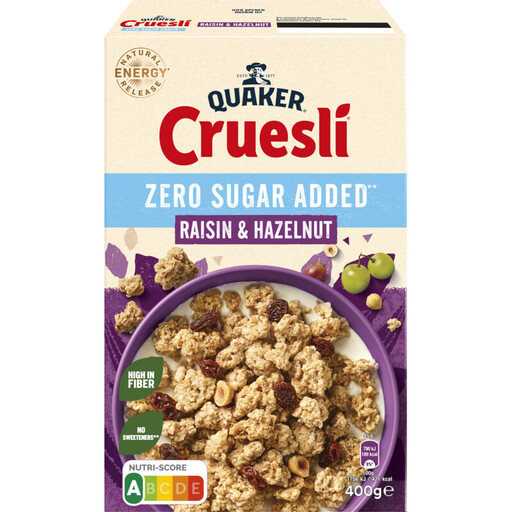
Quaker Zs Cruesli Raisin & Hazelnut, 400 g
For anyone looking for cruesli with raisins and hazelnuts, rather than the texture of classic cornflakes.
The product information lists wholegrain oats and wholegrain wheat. Check the current allergen information, particularly for hazelnuts and wheat.
View on Joybuy
Frequently asked questions
How can I recognise wholegrain breakfast flakes?
Check whether wholegrain appears in both the product name and the ingredients list, and look for any percentages. According to the Netherlands Nutrition Centre, wholegrain products are made from the entire grain, and ingredients are listed on the label in descending order by weight. A stated amount of wholegrain wheat doesn’t automatically make a mixed product entirely wholegrain.
Can flakes with a sugar claim also contain sweeteners?
Yes. Always check a sugar claim against the ingredients list. For example, Jumbo lists maltitols as a sweetener in Special Flakes; the nutritional information per 100 g also shows how much sugar the product contains.
Are wholegrain flakes automatically gluten-free?
No: wholegrain wheat and barley contain gluten. If you need to avoid gluten, check the specific ingredients, allergen information and any gluten-free statement on the current pack, as the Netherlands Food and Consumer Product Safety Authority stresses when advising consumers to check labels.
Should I check the packaging against nutritional information I find online?
Yes. For an accurate comparison or allergen check, use the current packaging. Albert Heijn says that ingredients, nutritional values and dietary or allergen information may change.


