
Shoppers who prioritise wholegrains
You’re looking for a breakfast cereal that clearly states on the packaging that it’s made with wholegrains. If classic cornflakes don’t make this clear, you may want to consider another type of breakfast cereal.


Don’t choose cornflakes based on the name alone. If wholegrain is a priority, check the description and ingredients of the specific variant. If you want to decide how sweet your breakfast is, check for added sugars and sweeteners too, and add fruit if you like. Bran flakes and porridge oats may suit your needs, but they aren’t classic cornflakes.
You’re looking for a breakfast cereal that clearly states on the packaging that it’s made with wholegrains. If classic cornflakes don’t make this clear, you may want to consider another type of breakfast cereal.
You want to put together a sweet breakfast, but first you check what has been added to the cereal. You can then add fruit to flavour your bowl.
You like the familiar crunch and shape of cornflakes. Wholegrains are still important to you, but you want to check this on the variant you choose rather than assume it from the product category.
First decide what matters most to you: a clearly stated wholegrain base, how sweet the cereal is, or the texture of classic flakes. Then compare the packaging of the specific variants.
| What to look for | What to check when buying | Who might prioritise this? |
|---|---|---|
| Wholegrain base | Look for a wholegrain statement on the specific packaging and read the ingredients list. The name cornflakes alone doesn’t confirm that a product is wholegrain. | If wholegrains are my main priority, I’d rather choose another type of breakfast cereal than cornflakes with an unclear grain base. For around 36% of consumers, a confirmed wholegrain base comes first. |
| Sweetness of the cereal | Check the ingredients list for added sugars and sweeteners; look separately at the sugar content per 100 g in the nutritional information. | I want to be able to add fruit without letting the cereal itself decide how sweet my breakfast is. For around 36% of consumers, having control over sweetness is the top priority. |
| Classic flake texture | Check whether you’re choosing cornflakes, bran flakes or porridge oats; these are different types of product. | If I want the familiar shape of cornflakes for breakfast, I don’t want to end up with porridge oats by mistake. This flake texture matters most to around 28% of consumers. |
Albert Heijn lists plain cornflakes and a separate product called AH Bran flakes volkoren. The characteristics of one product don’t automatically apply to the other.
Check the wholegrain description and ingredients on the packaging of the exact variant you want to buy.
The nutritional information lists sugars, but doesn’t tell you on its own which ingredients give the cereal its sweet taste. A statement about added sugars also doesn’t tell you whether it contains sweeteners.
Read the ingredients list of your chosen variant as well as the nutritional information.
A product name or the shape of a flake is no substitute for checking the allergen information for the specific product.
Check the allergen information on the current packaging before buying.
The online range includes AH Cornflakes and a separately named product, AH Bran flakes volkoren.
The online range distinguishes between Cornflakes and Special Flakes.
Kellogg's Corn Flakes, All-Bran and Special K feature in the ranges mentioned by Albert Heijn and Jumbo.
Lidl Netherlands lists a cornflakes product and provides information about wholegrain products.
These Joybuy products are breakfast cereal options for anyone considering something other than classic cornflakes for a sweet breakfast. When choosing, note the difference between wheat-based breakfast cereals and porridge oats; none of these three products is a classic cornflake.
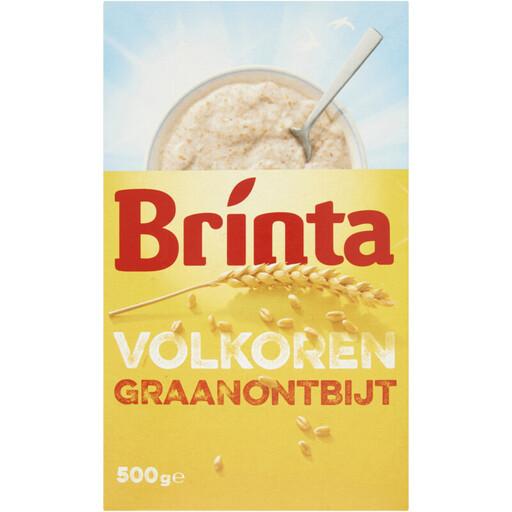 Image unavailable
An option if you want whole wheat and don’t need the classic shape of cornflakes for your sweet breakfast.
Pack size: 500 g. Check the allergen information on the current packaging; the product lists wheat and gluten.
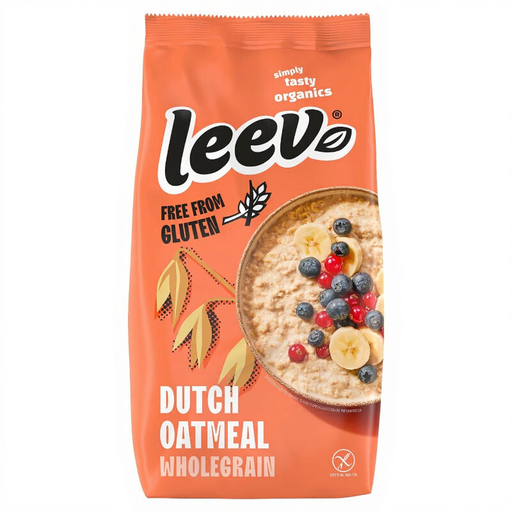 Image unavailable
An oat-based option if you don’t need the shape of cornflakes.
Pack size: 450 g. Product listings differ on whether it contains gluten; check the allergen information on the current packaging.
 Image unavailable
An oat-based option if you want to choose how sweet your breakfast is by adding something like fruit, and aren’t looking for the shape of cornflakes.
Pack size: 600 g. Check the ingredients and allergen information on the current packaging.
No, the name cornflakes doesn’t confirm that they’re wholegrain. According to the Netherlands Nutrition Centre, wholegrain cereal products are made from the entire grain; check the description and ingredients on the specific packaging.
You can add fruit to a breakfast cereal after checking that it’s wholegrain. Check the ingredients in the cereal itself too if you want to know whether sugar or sweeteners have been added.
No, these statements answer different questions. Check the ingredients list of your chosen variant if you want to know whether it contains sweeteners; the sugar content per 100 g in the nutritional information won’t tell you this on its own.
Check the allergen information on the packaging of the specific product. The Netherlands Food and Consumer Product Safety Authority (NVWA) states that allergens must be clearly indicated on the labels of prepacked foods; don’t try to infer this information from the product name or type of grain.