What should you look for when choosing?
Start with the grain base, then check the added ingredients and allergens separately. A product name or claim on the front does not replace these checks, especially when you’re choosing breakfast cereal for a toddler.
| What to look for |
What to check on the pack |
Who is this most important for? |
| No added sugar or salt |
Check the ingredients list for both; compare the nutritional information per 100 g. |
If I serve breakfast cereal as an alternative to bread, I want its ingredients to fit the Netherlands Nutrition Centre’s advice for toddlers. Around 36% of consumers prioritise this combination. |
| Wholegrain base and fibre |
Look for the named wholegrain cereal and compare the fibre content per 100 g. |
I want to be able to see whether the flakes really have a wholegrain base, rather than judging them by their shape. This is the most important consideration for around 29% of consumers. |
| Gluten and other allergens |
Check the ingredients and allergen information for the exact variant; if you’re sending it in with your child, ask about the nursery or school’s rules too. |
If my child has a relevant allergy or coeliac disease, or there are rules at their nursery, I need to know what’s in this specific product. This check is the top priority for around 21% of consumers. |
| Whether your child will eat it |
Choose a portion size and texture that suit your child, and consider how breakfast fits into the rest of the day. |
If my toddler isn’t keen on breakfast, I want a calm mealtime and something they’ll eat, without removing bread from their daily diet. This is the main concern for around 14% of consumers. |
Plain cornflakes, wholegrain wheat flakes and multigrain products are not the same. Kellogg's lists maize, barley malt extract, sugar and salt in its Corn Flakes. Albert Heijn says AH Bran Flakes contain 74% wholegrain wheat, but also lists added sugar and salt. For a multigrain product, check the pack too to see which grains and other ingredients it contains.
Comparing brands and own-label products
Compare specific products rather than brands as a whole: the grain base, added ingredients and allergens vary between different products.
Kellogg's
Kellogg's Corn Flakes are a point of reference for plain cornflakes, not a wholegrain variety.
- Kellogg's lists maize as an ingredient and 3.0 g of fibre per 100 g.
- The ingredients list also includes barley malt extract, sugar and salt. If you need to avoid gluten, check the exact pack.
Albert Heijn
AH Bran Flakes volkoren are a good example of wheat flakes with a stated wholegrain base.
- Albert Heijn lists 74% wholegrain wheat, 13% wheat bran and 15 g of fibre per 100 g.
- The product also contains 12 g of added sugars and 0.52 g of added salt per 100 g. So the wholegrain claim alone isn’t enough to show whether it’s a suitable choice under the advice for toddlers.
Jumbo
According to Jumbo, its Special Flakes combine wholegrain wheat with rice, so it’s worth checking more than just the sugar information.
- Jumbo lists 53% wholegrain wheat and 7.2 g of fibre per 100 g.
- The product information lists maltitol and 1.15 g of salt per 100 g, as well as barley and wheat. Check the allergen information on the pack too.
Golden Bridge (ALDI)
Golden Bridge at ALDI includes a 7-grain wholegrain breakfast cereal, alongside other types of breakfast cereal.
- The product name makes this a multigrain option worth considering alongside cornflakes.
- For a toddler, check the pack to see which grains, added ingredients and allergens the chosen variant contains.
Lidl
Lidl lists a 7-grain breakfast cereal made with wholegrains as a multigrain option alongside cornflakes.
- The product listing states that the pack contains 300 g.
- Check the pack to see whether the ingredients, nutritional information and allergens make it a suitable choice for your toddler.
Breakfast cereals at Joybuy
These products are granola and crunchy muesli, not cornflakes. They may be worth considering if you’re looking at other breakfast cereal options, but check the full ingredients, allergens and suitability of the texture before choosing one for a toddler.
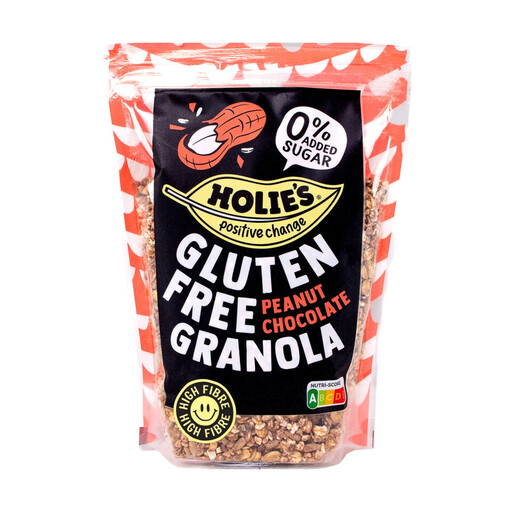 Image unavailable
Holie's Granola Glutenfree Peanut Chocolate, 330 g
A granola option to consider if you’re looking at other breakfast cereals as well as cornflakes. For a toddler, check the ingredients and allergens, paying particular attention to peanuts and any ‘may contain’ warnings. Don’t rely on ‘Glutenfree’ in the product name alone. Also consider whether the portion size and texture are right for your child.
View at Joybuy
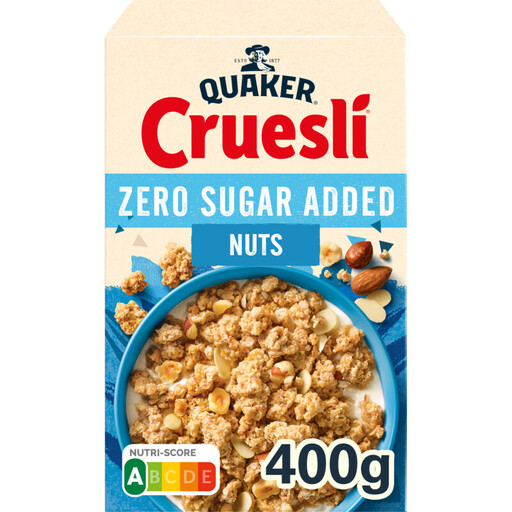 Image unavailable
Quaker Cruesli Nuts Zero Sugar, 400 g
A crunchy muesli with nuts to compare with other breakfast cereals, not a type of cornflakes. Despite ‘Zero Sugar’ in the name, check the ingredients and nutritional information, including the salt content. If your child needs to avoid certain allergens, read the information about almonds, hazelnuts and possible traces. Also consider whether the portion size and texture are right for your toddler.
View at Joybuy
Frequently asked questions
Can wholegrain breakfast cereals replace bread at breakfast for a toddler?
Yes. As an alternative, the Netherlands Nutrition Centre recommends porridge oats, muesli and other wholegrain breakfast cereals with no added sugar or salt for children aged 1 to 3. If your child then has no bread at breakfast, the Netherlands Nutrition Centre advises serving two slices of bread at another time of day.
Is ‘no added sugars’ enough to choose flakes for a toddler?
No. Check the grain base, salt, any sweeteners and the allergens too. For example, Jumbo lists maltitol and 1.15 g of salt per 100 g for Special Flakes; information about sugar alone doesn’t answer those other questions.
Do all cornflakes contain gluten?
You can’t say that about every product: check the ingredients of the specific one. Kellogg's lists barley malt extract in its Corn Flakes. According to the Netherlands Food and Consumer Product Safety Authority, when ingredients come from gluten-containing cereals, the name of the cereal must appear in the ingredients list.
What should I look for when sending breakfast cereal to nursery or school?
Check the allergen information on the current pack and ask the nursery or school directly about its rules for food brought in from home. Don’t rely on the product category or assume another setting has the same rules.
Can I rely on the product information I see online?
Use it to compare products, but check the current pack before serving the product too. Albert Heijn points out that ingredients, nutritional values and allergy information may change when a product is updated.


