What should you look for when choosing?
Start with the wholegrain ingredients, then compare the nutritional information per 100 g and finally consider how you plan to eat the flakes.
| What to consider |
What to check when buying |
Who it matters to |
| Wholegrain cereals |
Check which grains are listed as wholegrain in the ingredients and whether their percentage is stated. |
If I’m looking for wholegrain flakes, I want to see which grain has been used rather than rely on the name ‘cornflakes’. For around 42% of consumers, checking for wholegrains comes first. |
| Sugars, salt and fibre |
Compare the values per 100 g and check the ingredients list for sweeteners. |
I don’t want one appealing claim on the front of the pack to determine my choice when other nutritional values may differ. Around 33% of consumers give this comparison top priority. |
| Eating and taking with you |
Check whether you have a suitable container and something to serve with the flakes; also read the allergen information on the packaging. |
When I have breakfast on the go, I need to be able to take the cereal with me and check the ingredients beforehand. These practical considerations come first for around 25% of consumers. |
Crunchy muesli as an alternative
These Joybuy products are crunchy muesli options for anyone considering a different type of breakfast cereal alongside flakes. They’re not classic cornflakes, so assess their ingredients, nutritional information and suitability for taking with you on their own merits.
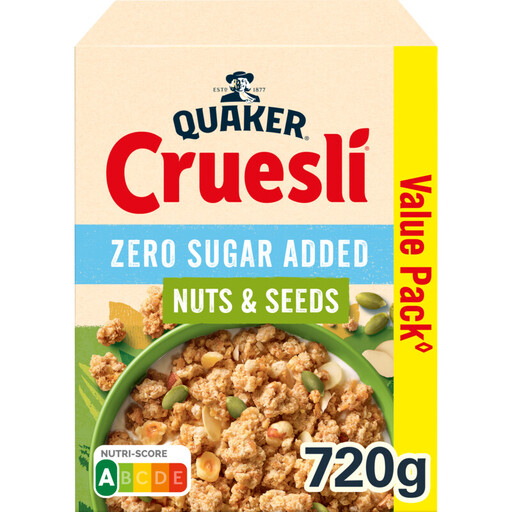 Image unavailable
Quaker Zs Cruesli Nuts & Seeds 720 g
An option if you’re also considering crunchy muesli instead of classic cornflakes.
Pack size: 720 g. To compare sugars, salt and fibre, check whether the nutritional values are given per 100 g or per serving.
Check the current allergen information when choosing, paying particular attention to oats, wheat and nuts.
View at Joybuy
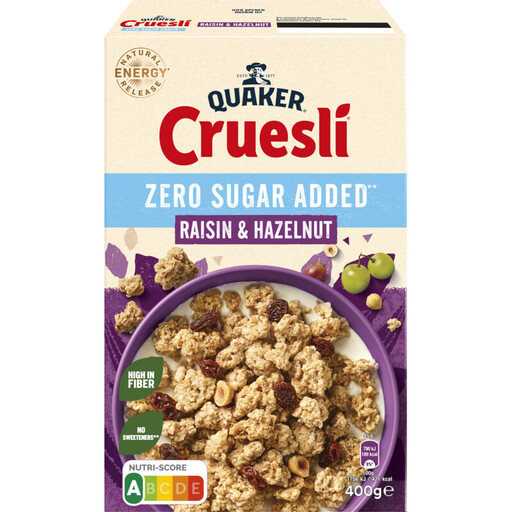 Image unavailable
Quaker Zs Cruesli Raisin & Hazelnut 400 g
For anyone looking to try crunchy muesli with raisins and hazelnuts for a quick breakfast instead of flakes.
Pack size: 400 g. Before comparing products, check whether the nutritional values are given per 100 g or per serving.
Check the current allergen information for ingredients including oats, wheat and hazelnuts. If you’re taking it with you, consider whether you’ll need a container with a lid.
View at Joybuy
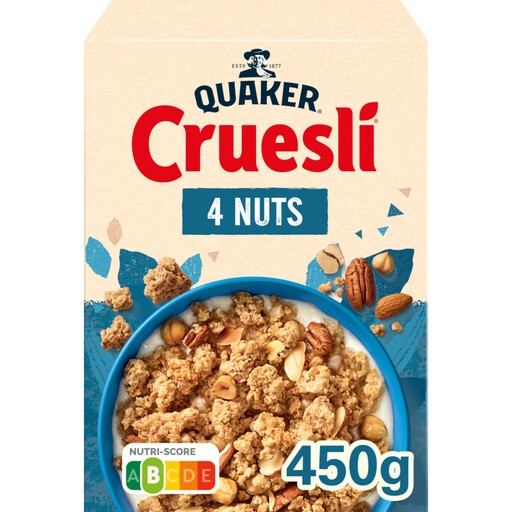 Image unavailable
Quaker Cruesli 4 Nuts 450 g
A crunchy muesli option if classic cornflakes aren’t a must for you.
Pack size: 450 g. To compare nutritional values, check the current salt information on the packaging.
Also check the allergen information for oats, wheat and nuts, and decide whether you’d like to use a separate container when taking it with you.
View at Joybuy
Frequently asked questions
Are cornflakes automatically wholegrain?
No. The name ‘cornflakes’ doesn’t confirm that the grains used are wholegrain. Check the product description and ingredients list to see which grains the product contains and which are labelled as wholegrain.
Is a fibre or no-added-sugars claim enough to help me choose?
No. Check the full nutritional information and ingredients list too. The Voedingscentrum recommends comparing products per 100 g. For example, Jumbo Special Flakes lists 1,3 g sugars and 1,15 g salt per 100 g, and contains maltitol as a sweetener.
How can I make flakes practical for breakfast on the go?
Take a suitable container with a lid and plan where you’ll add the milk, yoghurt or plant-based alternative. If you want to keep the flakes crunchy, you can keep them separate until just before eating.
What should I check if I need to avoid allergens?
Before buying, read the allergen information on the current packaging, including any warnings about traces. In the breakfast cereals discussed here, it’s particularly important to check for ingredients such as wheat, barley, oats and nuts. Assess each product individually.


