
If you want to assess the wholegrain content
You want to know which grains are wholegrain, so you’d rather check the ingredients or a stated percentage than judge by the look of the packaging.


When choosing chocolate cereals for Easter brunch, don’t focus only on the words ‘chocolate’ or ‘wholegrain’: check which wholegrains are listed in the ingredients and compare the nutritional values per 100 g. Granola with a stated wholegrain percentage is a good option if you want to assess the grain content; a variety with no added sugars suits you if that’s your main priority, but it isn’t automatically sugar-free. Before serving, check the allergens on the pack you’ve bought.
You want to know which grains are wholegrain, so you’d rather check the ingredients or a stated percentage than judge by the look of the packaging.
You want to serve something with a chocolate or cocoa flavour at brunch and are specifically looking for a product with no added sugars. You’ll also want to compare the sugar content per 100 g.
You’re putting out a bowl for everyone to share, so you need to check the allergen information on the exact pack you’ve bought beforehand, including any warnings about possible traces.
Start with the type of grain and any stated wholegrain percentage. Then compare sugars, fibre and fat per 100 g, and only then choose a shape that works with the yoghurt, fromage frais or milk you’ll be serving.
| What to consider | What to look for | Who it matters to |
|---|---|---|
| Verifiable wholegrain content | Look for wholegrain oats or wheat in the ingredients and compare any stated proportion of wholegrains. | If the grain content is my priority, I want to see what is actually wholegrain; around 42% of consumers make this their top consideration. |
| Added sugars | Read the ingredients and compare the ‘of which sugars’ figure per 100 g; no added sugars doesn’t mean sugar-free. | With other sweet dishes on the table, I mainly want to know whether sugar has been added to the cereal. This is the most important consideration for around 33% of consumers. |
| Serving and allergens | Choose between granola, muesli, flakes or hoops, and check the current label for allergens and possible traces. | When guests are helping themselves, I want to offer a suitable texture and be able to check what everyone can eat; this is the first consideration for around 25% of consumers. |
A stated wholegrain percentage doesn’t tell you how much sugar or fat the chocolate cereal contains. These values can vary between products.
After checking the ingredients, look at the sugars, fibre and saturated fat per 100 g in the nutrition table.
A product with no added sugars can still contain naturally occurring sugars. Quaker Cruesli Zero Sugar Chocolate lists 3.4 g of sugars per 100 g.
Consider the claim alongside the ingredients and nutrition table, and decide how much you want to serve with the other brunch dishes.
The product varieties mentioned include wheat, oats and milk; some products also carry warnings about possible traces.
Check the label on the pack you’ve bought just before serving, and keep it handy for guests who want to read the ingredients.
Special K Pure Chocolate, for example, comes in flakes, making it a good choice if you don’t want to serve chunky granola.
The chocolate granola comes in varieties with different selling points: a stated wholegrain percentage or a no added sugars claim.
The cereal range includes different chocolate varieties, including crunchy muesli and flakes.
These products include granola, crunchy muesli and hoops with chocolate or cocoa for your Easter brunch. When choosing, focus on the differences in format, pack size and ingredients; one variety’s added sugars claim deserves particular attention.
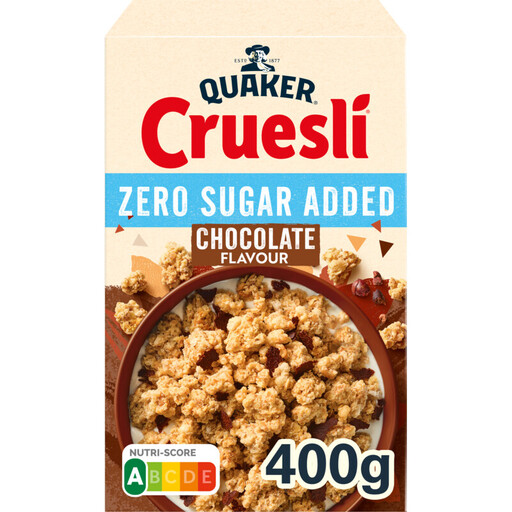 Image unavailable
A chocolate granola to consider if you’re specifically watching your added sugar intake. The information for this variety lists wholegrain oats and wheat, 3.4 g of sugars and 21 g of fibre per 100 g; ‘no added sugars’ doesn’t mean it contains no sugars. If you’re serving guests, check the label for wheat, oats, milk and possible traces of nuts, among other allergens.
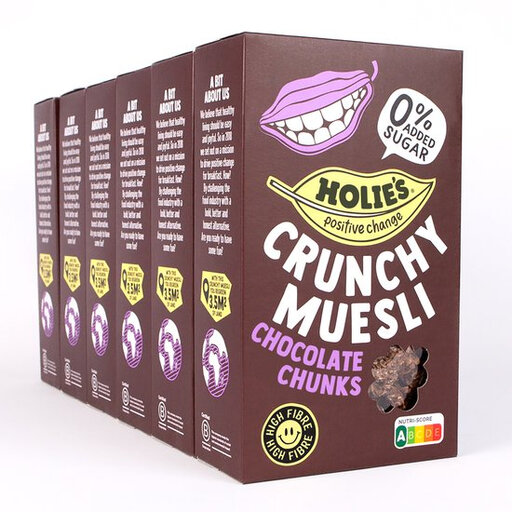 Image unavailable
Crunchy muesli with chocolate pieces, ideal if you want to serve this style with yoghurt or fromage frais. This pack contains 6 × 400 g, so consider whether that quantity suits your needs. Check the ingredients and allergens on the pack you’ve bought before serving it to guests.
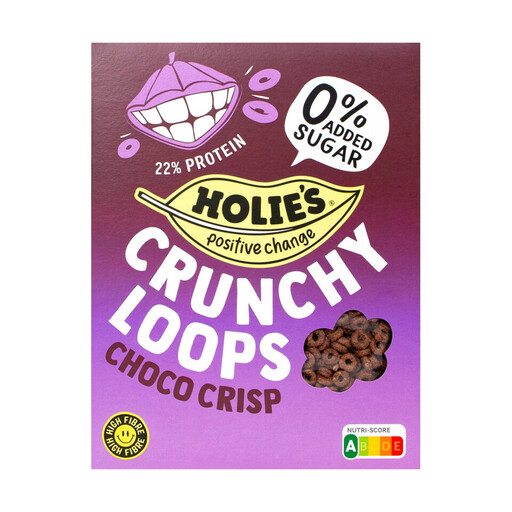 Image unavailable
A ring-shaped alternative if you don’t want to serve muesli or flakes. Check the ingredients on the label to make sure it suits your preferred wholegrain content. The product information lists wheat and peanuts; before serving, also check for warnings about possible traces.
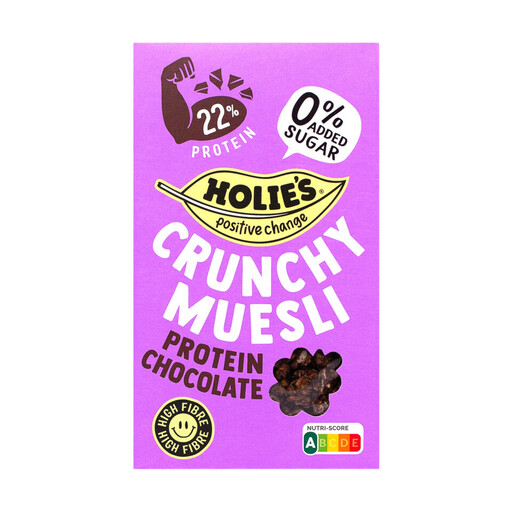 Image unavailable
A chocolate muesli for anyone looking for a crunchy option. Don’t take the claim about added sugars at face value with this variety: the ingredients list agave syrup, brown rice syrup and invert cane sugar syrup. Read the current label carefully and check the allergen information if you’re serving guests.
No, the chocolate flavour tells you nothing about the grains used. Look for wholegrains in the ingredients and check for a percentage if one is stated. For example, Quaker Cruesli Chocolate lists 95% wholegrains, while the product information for Kellogg's 300 g chocolate flakes specifies 32% wholegrain wheat.
No. Quaker Cruesli Zero Sugar Chocolate states that it has no added sugars, but it does contain naturally occurring sugars: 3.4 g per 100 g. So, as well as checking the claim, read the ingredients and nutrition table.
The Netherlands Food and Consumer Product Safety Authority requires allergen information to appear on the label of prepacked products. Check the label on the pack you’re actually serving, including any warnings about possible traces.
Follow the storage instructions on the pack and seal it tightly after use. Store the cereal away from moisture and heat, as directed on the product packaging.